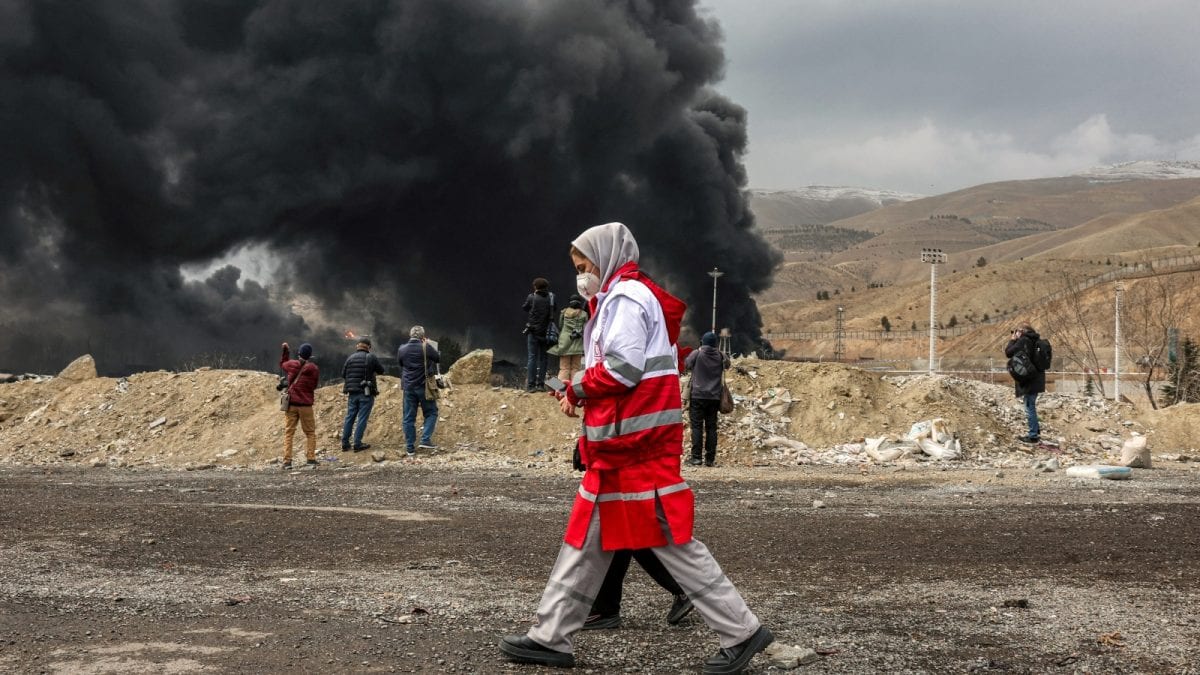
The oil market is facing escalating turmoil as Gulf producers cut output and the Strait of Hormuz remains blocked amid the ongoing US-Israeli war on Iran, according to a report byBloomberg.
The blockade of this critical shipping lane, through which a fifth of the world’s crude and liquefied natural gas typically flows, has sent prices soaring and raised fears of extended disruption to global energy supplies.
The United Arab Emirates, Kuwait, and Iraq have already begunreducing productionas available tanker storage fills and vessels avoid the narrow waterway.
Other Gulf producers may follow suit if the blockage continues, further constricting supply. Saudi Arabia has partially bypassed Hormuz by diverting crude shipments to its Red Sea coast, but roughly a third of the region’s production is still dependent on the Strait.
ALSO READ:Why Thousands Of Cargo Ships In Gulf Are Facing GPS Disruptions Amid West Asia War | Explained
Rising Prices And Market Pressure
According toBloomberg, the disruption has already triggered a sharp surge in oil prices. Brent crude climbed 30% last week — its largest weekly jump in six years — bringing it just shy of the $100-a-barrel mark.
Regional benchmarks have already exceeded this level, with Abu Dhabi’s Murban crude futures closing at $103 per barrel, Oman crude at $107, and Chinese crude futures at $109 on the Shanghai International Energy Exchange.
“Every additional day of disruption adds pressure, and in that scenario there is effectively no ceiling to prices in the short term," Stefano Grasso, senior portfolio manager at Singapore-based fund 8VantEdge Pte, told the outlet.
Impact On Global Supply And Asia
Source: World News in news18.com, World Latest News, World News
