BEIJING — For PresidentDonald Trump, global power may boil down to the United States andChina— what he calls the “G2,” or Group of Two. But China is less enamored with the idea, at least publicly.
The concept of a “G2” — a more exclusive version of the Group of Seven orGroup of 20forums — was introduced in 2005 by American economist C. Fred Bergsten to underscore the importance of communication between the world’s two biggest economies. Though it was initially embraced by some policymakers, the idea fell out of favor in Washington amid rising tensions with Beijing, including during Trump’s first term.
Last fall, however, Trump repeatedly used the term “G2” to refer tohis meetingwith Chinese PresidentXi JinpinginSouth Koreawithout saying how a “G2” world order would work in practice. He is set to meet with Xi again when he travels to China later this month.
For China, Trump’s casual use of “G2” is an acknowledgment of its growing power, suggesting that the U.S. and China are global peers and should have equal say in international affairs. But for U.S. allies, it raises fears that Washington and Beijing could cut them out of important decision-making and make deals that work against their interests.
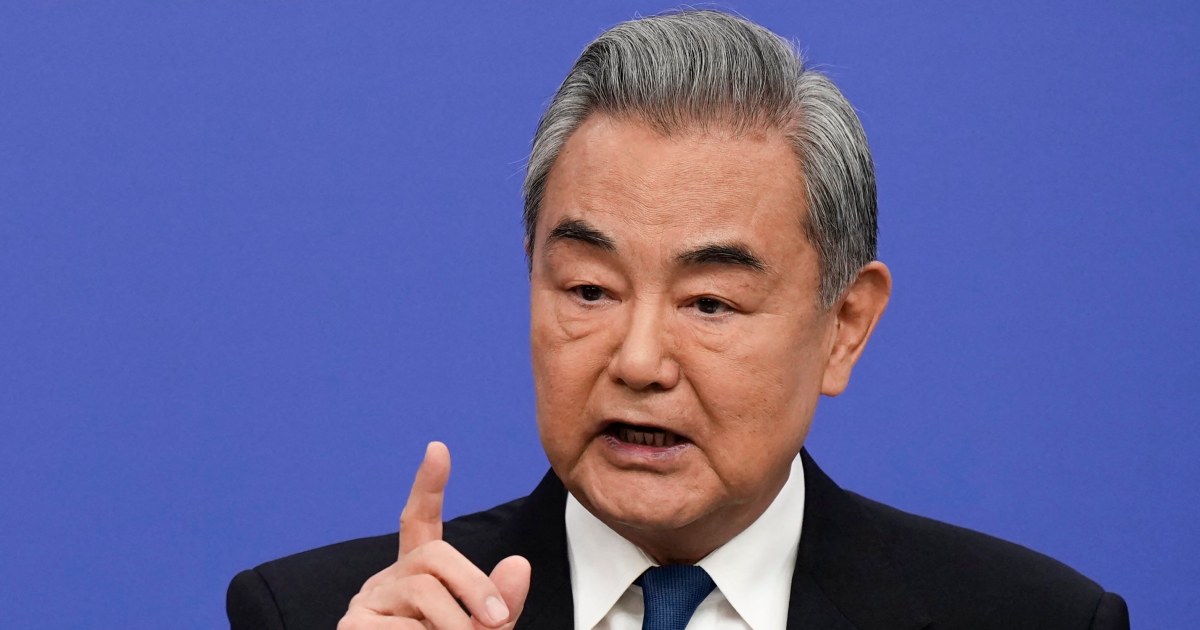
Chinese Foreign MinisterWang Yi, China’s top diplomat, sought to allay such fears Sunday at a news conference on the sidelines of China’sannual legislative sessionin Beijing.
“There is no doubt that China and the U.S. have a significant impact on the world. But we should not forget there are more than 190 countries on our planet,” he said in response to a question from NBC News. “World history has always been written by many countries together, and the future of humanity will be forged through the collective efforts of all nations.”
The “G2” concept is a thorny one for China, which bases much of its diplomacy in the Global South on opposing the idea that major powers should dictate to smaller ones. It is also reluctant to take on more responsibility for global governance if it means being drawn intoconflicts in the Middle Eastand elsewhere that have stymied the U.S.
Wang said China will “never seek hegemony or expansion” and that it wants to build “an equal and orderly multipolar world.”
Though the questions and answers at Wang’s annual news conference are coordinated in advance, it is a rare opportunity to hear directly from one of China’s highest-ranking officials. His answers signal how China sees its position in the world and its relations with other countries, including the U.S.
U.S.-China relations have “far-reaching and global implications,” Wang said.
Source: Drudge Report