Since the early days of the US-Iran conflict, we have tracked the rewiring of global energy flows. That theme continues today and is accelerating as LNG buyers seek supplies and shipping routes well beyond the Gulf. Before the conflict, roughly one-fifth of global LNG trade transited through the Strait of Hormuz, concentrating risk at a single chokepoint. That vulnerability is now driving buyers to rejigger supply networks.
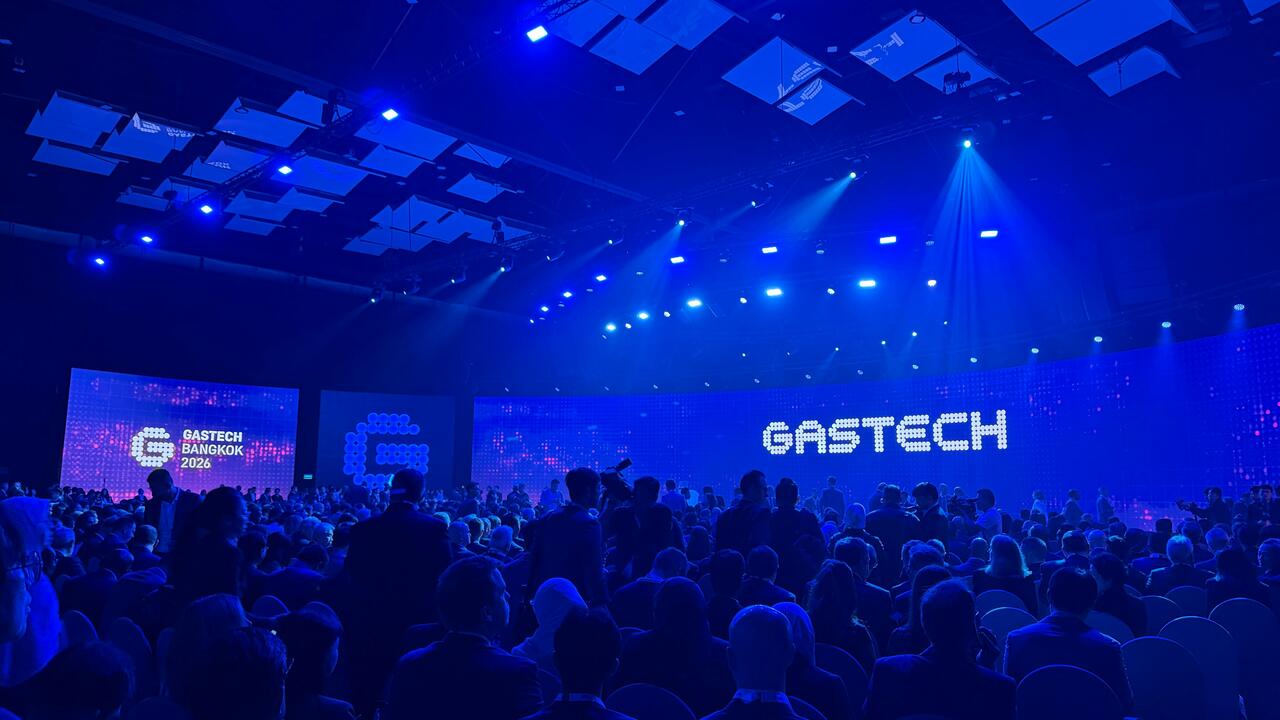
At last week's Gastech annual conference and exhibition for natural gas and LNG in Bangkok, Thailand, Reuters cited energy executives, government officials, buyers, traders and investors who discussed the urgency of securing new supplies from conflict-free areas, largely because the Hormuz chokepoint has become a major liability.
Asian governments are pursuing longer-term supply security, while producers and trading houses are broadening their supply networks to include safer regions worldwide.
"A lot of governments are thinking not just diversification of the suppliers, but diversification of supply routes," Sue-Ern Tan, the head of the International Energy Agency's regional cooperation center in Singapore, said at Gastech.
Bangladesh, which previously relied on Qatar for most of its LNG imports, is searching for new supplies in Indonesia, Australia and China. Earlier this year, buyers including PetroChina and India's GAIL secured replacement cargoes outside the Gulf region.
The search for alternatives could support emerging producers including Argentina, East Timor and Tanzania