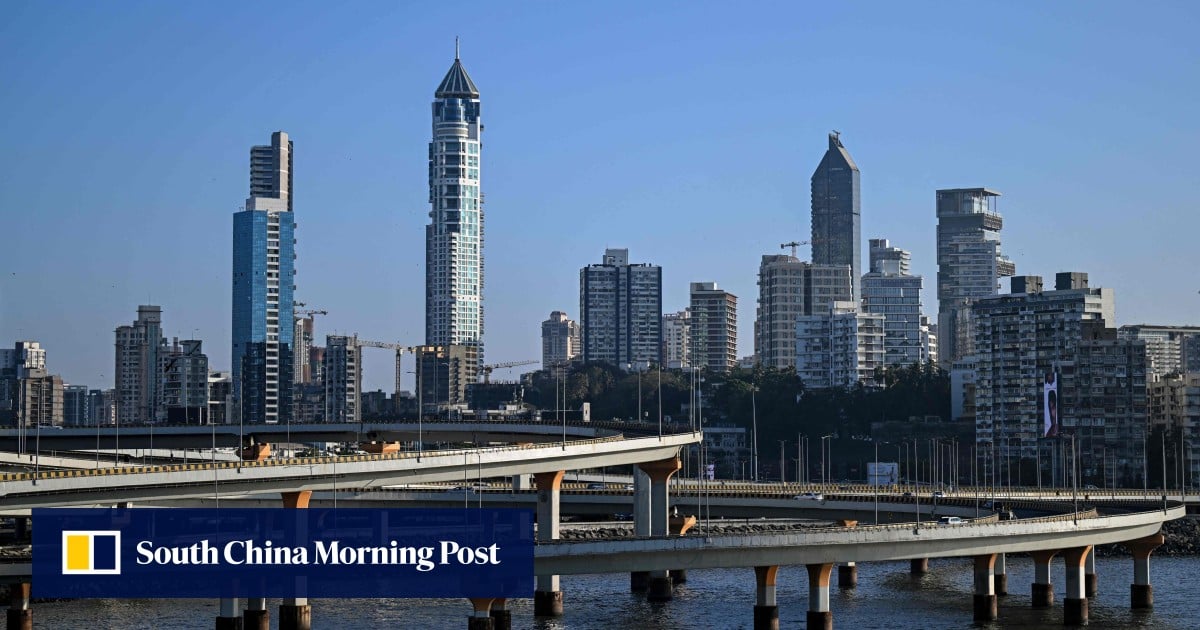
Analysts caution that a significant portion of India’s workforce remains in relatively low-productivity and informal sectors
For years India’s economy was driven by its vast services sector that saw millions of people working away in low-cost back offices providing consultancy for predominantly Western companies.
But over the past decade they have given way to centres that allow firms to tap top-tier talent and technology, where white-collar staff perform tasks ranging from IT and data analytics to innovation and design.
Today, these centres are the shiniest parts of India’s red-hot economy but not everyone has been able to enjoy the boom times as opportunities remain uneven.
Amazon’s biggest office in the world is now located in southern India, and top financiers like JPMorgan have roughly 20 per cent of their workforce scattered across Indian cities.
The government says the country is now home to about one-fifth of the world’s chip design engineers, helped by hiring from firms like Qualcomm and MediaTek.
This has boosted services sector growth and helped make India the fastest-growing major economy – a title it has firmly held onto since 2021.
Source: News - South China Morning Post
