Authored by Ziaulhaq Tanin via RealClearWorld,
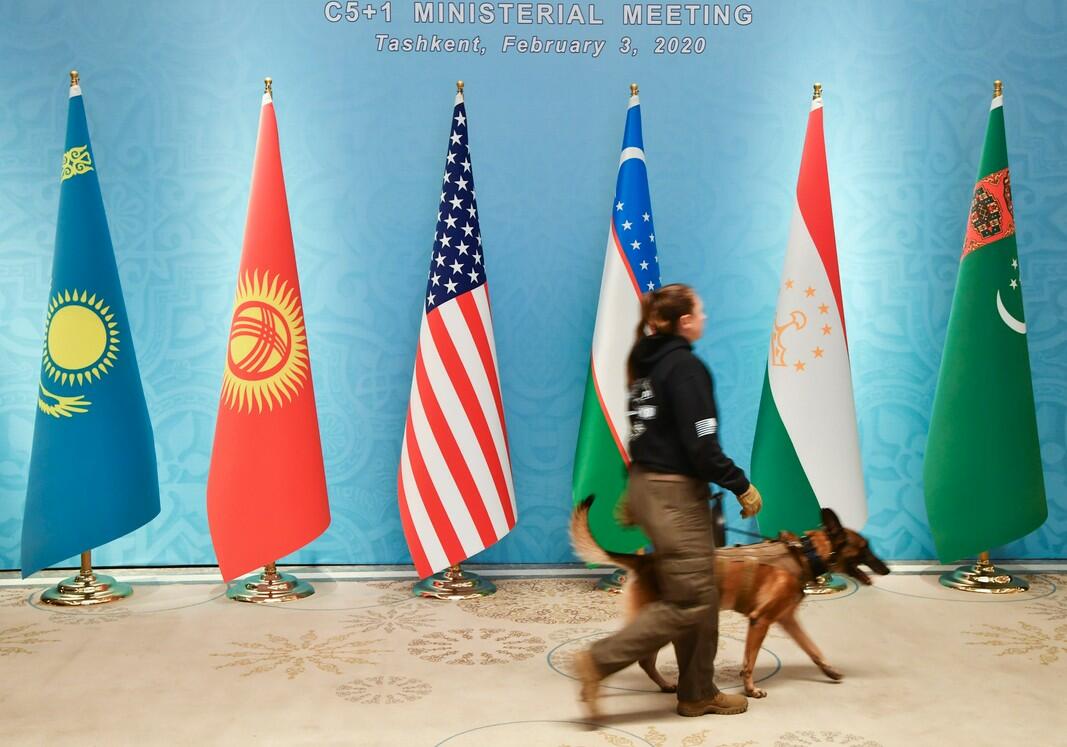
Three decades after their independence, Central Asia is still often viewed through outdated geopolitical lenses - a region once called "Russia's backyard" and more recently as an arena of competition among Russia, China, and the West. Yet this familiar narrative no longer captures the region's strategic reality. Central Asian states are increasingly using great-power rivalry not simply to navigate external pressure, but to expand their own choices and strategic room for maneuver.
This transformation is driven not by a single event but by the convergence of several trends: the war in Ukraine, new connectivity corridors, China's growing role, deeper engagement of Europe, Türkiye, and the Gulf states, and regional efforts to reduce dependence on a single power. Together, these developments are reshaping the traditional framework of regional politics and creating new space for Central Asia to redefine its position.
The central question is no longer who will dominate Central Asia, but whether its states can turn this changing geopolitical environment into greater strategic autonomy. This article argues that the region is moving from the logic of "backyard" toward that of a "crossroads" - a transition shaped not by the departure of major powers, but by the growing agency of Central Asia itself.
The Ukraine War and the End of Geopolitical Monopoly
For decades, Central Asia was viewed largely through the lens of Russian influence. The legacy of the Russian Empire and then the Soviet Union created dee