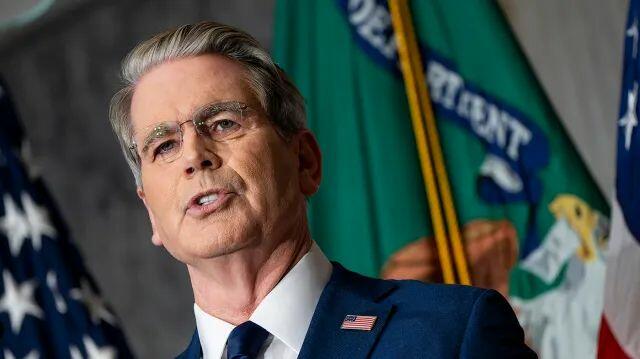
Late last month, Canadian Prime Minister Mark Carney walked away from a trade deal with the United States. According to Treasury Secretary Scott Bessent, Canada was "offered the best trade deal of any country on the globe," but Carney abandoned the deal "at the last minute."
According to the White House, "the U.S. offered Canada the most preferential market access of any country on Earth, with deep cuts on steel, aluminum, autos, lumber, and more. Instead of partnership, Canada chose unreasonable demands, walk-backs, and flat-out rejection." Canada responded with retaliation rather than negotiation, becoming the only other country besides China to do so.
And the reason is that Canada is trying to influence the 2026 midterm elections in the United States.
After the trade negotiations failed, Canadian officials announced that tariffs of up to 50% will hit roughly 700 American products starting September 8, covering close to $20 billion in goods, about 7% of everything Canada imports from the United States. The rates range from 15% to 50%, and tariffs on American steel and aluminum will double from 25% to 50%. This was a targeted economic strike meant to hit key states before the midterm elections.
Ottawa has barely bothered to deny it. Canadian Industry Minister Mélanie Joly said the tariffs were built to apply political pressure on specific states, telling reporters: "We are also targeting products that can target specific states in the United States. We are being smart and strategic in order