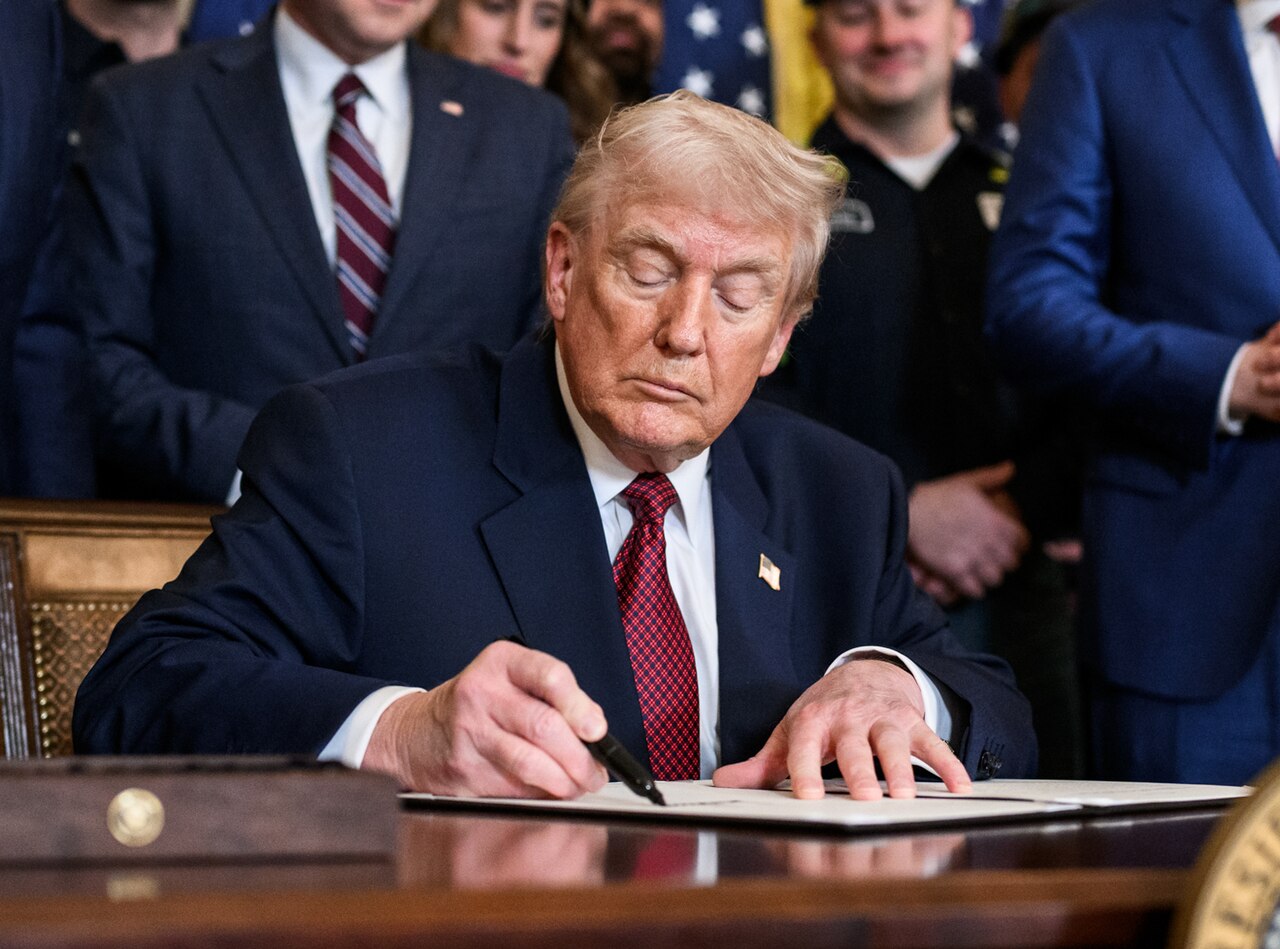
Nearly a week into joint US and Israeli operations targeting Tehran, President Trump made headlines by reportedly claiming theUnited States is doing very well in the Iran conflictand that Iranian forces are essentially gone.
At first glance, this appears to be a straightforward battlefield update. Analysts caution that such statements may reflect strategic messaging as much as actual military outcomes.
Political leaders often use public remarks to influence both adversaries and domestic audiences. Trump's words may be intended to project confidence, reassure allies, and shape international perception rather than provide a fully verified assessment of military progress.
Trump's statement illustrates how language itself can become a tool of power. By portraying Iran's military as severely weakened, he sends a signal to Tehran, regional actors and international observers that the US is in control. At the same time, it serves a domestic purpose, reinforcing a narrative of strength to the American public.
Experts reportedly note that in high-stakes situations, statements like these are often as much about perception as reality. While US forces may have achieved operational goals, definitive verification is challenging, and the actual impact on Iranian military capabilities is not independently confirmed. Presenting such statements without context can mislead readers, which is why balanced reporting is crucial.
Interestingly, this approach mirrors patterns seen in domestic crime reporting. Coverage of the MS-13 gang or cases such as a 14-year-old murder in Maryland often features headlines highlighting dramatic outcomes to signal law enforcement effectiveness, even before investigations conclude.
In both foreign and domestic contexts, public perception is shaped by the framing of events. Bold language signals authority and urgency, influencing supporters and adversaries alike, while also risking heightened fear or misleading impressions if not carefully balanced.
For international audiences, understanding Trump's remarks requires nuance. While the US may have made significant operational progress, claims that Iranian forces are entirely 'gone' should be interpreted cautiously.
Observers must weigh political messaging against verified military reporting and recognize that leaders often frame statements to advance strategic goals.
At the same time, the implications of these statements extend beyond the US and Iran. Regional allies and adversaries monitor such messaging closely. Misinterpretation could escalate tensions, highlighting the delicate balance between communicating strength and provoking unintended consequences.
Source: International Business Times UK
