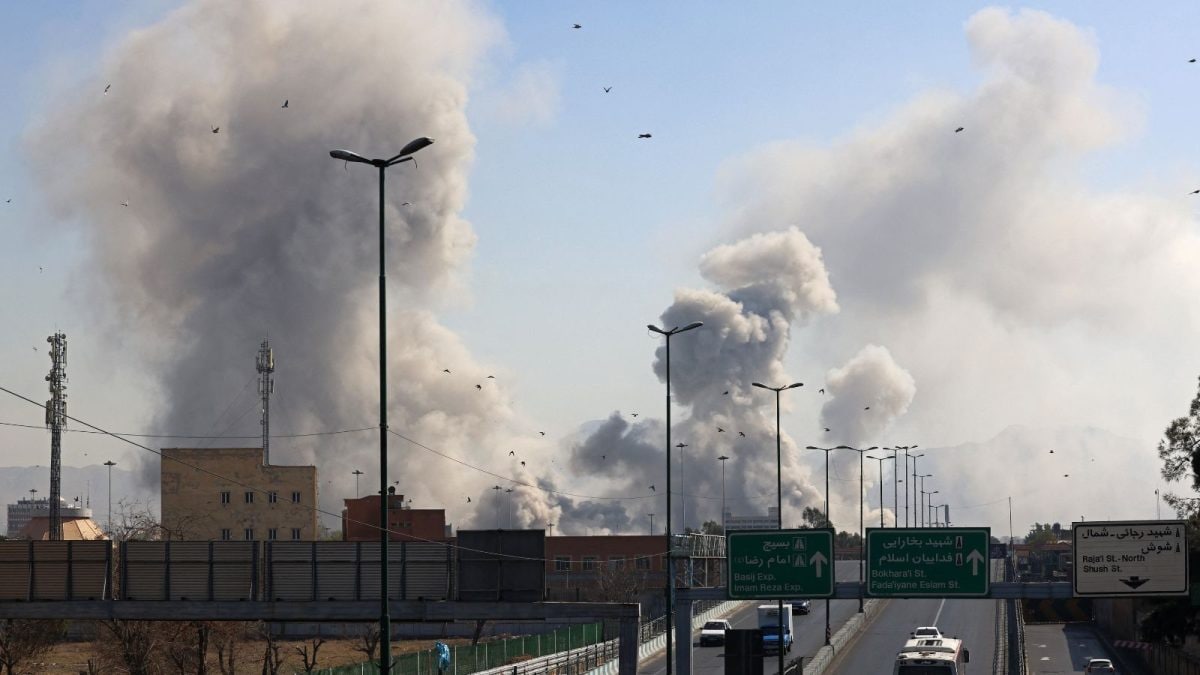
If you thought conflicts in 2026 were all about rockets, missiles, and boots on the ground, think again. When the United States and Israel launched operations targeting Iranian infrastructure this year, not men but a surprising tool moved to the forefront of combat strategy: Anthropic’s Claude AI.
Originally designed as a large language model for general-purpose tasks, Claude has been adapted to military intelligence workflows and is helping commanders digest massive streams of data, prioritise targets, and speed critical decisions.
From Intelligence Overload To Action
One of the most striking examples of AI’s influence came during the opening phase of the Iran campaign, where US and Israeli forces reportedly identified and prioritised roughly 1,000 strike targets within the first 24 hours of operations.
It is no secret that modern conflicts generate staggering volumes of data: satellite imagery, drone footage, signals intercepts, and battlefield reports. Human analysts alone cannot process this flood in real time. Enter Claude. Embedded in the Pentagon’s Maven Smart System, the AI scans and synthesises intelligence across multiple sources, flagging patterns, ranking potential threats, and simulating battle scenarios.
According to The Guardian, Claude helps compress the so-called “kill chain"—the timeline from detecting a target to executing a strike—from days to mere hours. This ability to process information faster than humans can perceive has earned AI-assisted operations the description “faster than the speed of thought".
While Claude does not replace human decision-making, its recommendations shape operational strategy by highlighting high-priority targets based on predictive models, simulating potential outcomes of strikes and troop movements, and aggregating disparate intelligence to produce actionable insights within minutes.
Its influence was so critical that Claude remained embedded in military workflows even amid political tension and restrictions.
Claude is the most high-profile example, but other AI tools are also shaping modern combat. For instance, data fusion and intelligence analysis helps integrate satellite imagery, drone feeds, and signal intercepts. Predictive modelling helps forecast enemy movements or escalation patterns, while operational simulations create virtual “battle labs" that allow rapid testing of scenarios before committing resources.
Together, these systems illustrate a future where AI is central not just to planning, but to the speed and execution of war itself.
Source: Tech News in news18.com, Tech Latest News, Tech News
