Authored by Andrew Moran via The Epoch Times(emphasis ours),
The conflict in Iran could have consequences for international trade that extend beyond oil and gas.
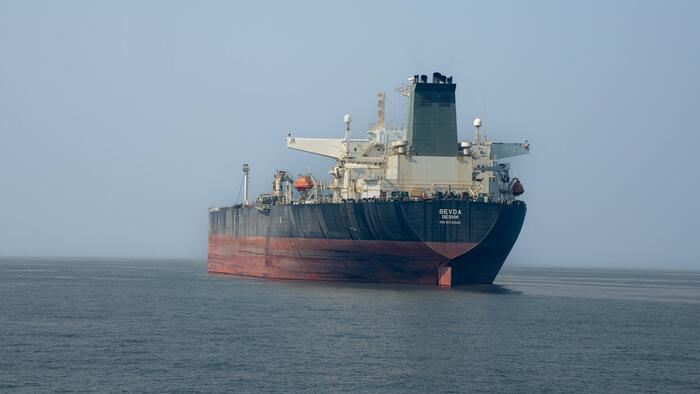
It has been less than a week since the start of the U.S.–Israeli operations in Iran, and oil tanker traffic in the Strait of Hormuz—a key global chokepoint for energy shipments—has come to a screeching halt. Approximately 200 oil tankers have been stranded in the Gulf, according to data from Lloyd’s List Intelligence.
The strait handles an estimated 20 million barrels of crude oil and petroleum products per day, with a majority being directed to Asia.
While Tehran has not officially shuttered the narrow waterway, it has been effectively closed by Western insurers, which have canceled coverage or raised risk premiums.
It is not only maritime commerce and energy that are being adversely affected by the conflict.
Planes carrying air cargo out of the Middle East have been grounded. Other vessels have started detouring around Africa’s Cape of Good Hope, a move that adds days and raises fuel costs to a trip.
The longer the war drags on, the greater the odds that it could bleed into the broader global supply chain, whether for consumer goods or construction equipment.
Key construction and manufacturing materials such as cement, concrete, and sandare produced across the Middle East.Seven percent of the global aluminum supplyflows through the strait.Pharmaceuticalsmanufactured in India or natural-gas-based products produced in Saudi Arabia traverse the region.
A prolonged conflict in Iran would cause delays and potentially product shortages, leading to higher production and transportation costs.
Source: ZeroHedge News
