Authored by Heng He via The Epoch Times,
Former Chinese Premier Zhu Rongji, the hard-edged reformer who engineered China's rise from planned-economy backwater to global manufacturing giant, died this month at the age of 97.
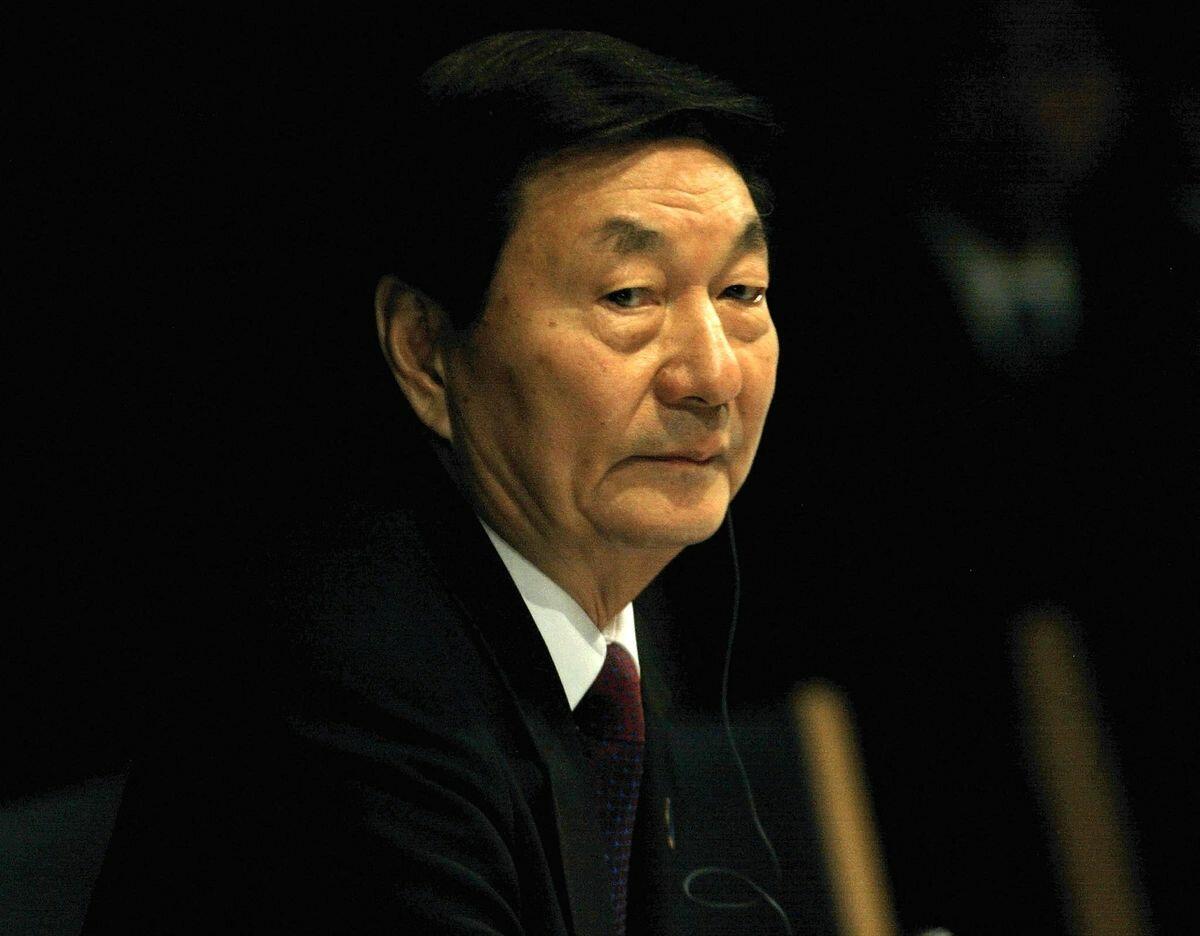
Chinese Premier Zhu Rongji poses during a working session at the Europe-Asia summit in Copenhagen, Denmark, on Sept. 22, 2002. Gerard Cerles/AFP via Getty ImagesHis legacy-tax centralization, mass layoffs, China's accession to the World Trade Organization (WTO), and a brief, forgotten moment of tolerance toward Falun Gong-now stands as both the foundation of modern China's wealth and a stark reminder of how easily that progress can be reversed.
Zhu's Legacy of Economic Reform
After the decade-long Cultural Revolution pushed the regime to the brink, then-Chinese Communist Party (CCP) leader Deng Xiaoping pivoted China toward market reforms. He relied on pragmatic trial and error rather than a rigid master plan, describing his step-by-step approach as "crossing the river by feeling the stones."
Zhu executed that vision. As vice premier and premier from 1991 to 2003, China's "economic tsar" used iron-fisted reforms to engineer the country's rise, including restructuring fiscal policy, dismantling inefficient state-owned enterprises, and securing China's entry into the WTO.
Zhu was officially credited with advancing China's landmark tax-sharing reform in the 1990s, which centralized much of the