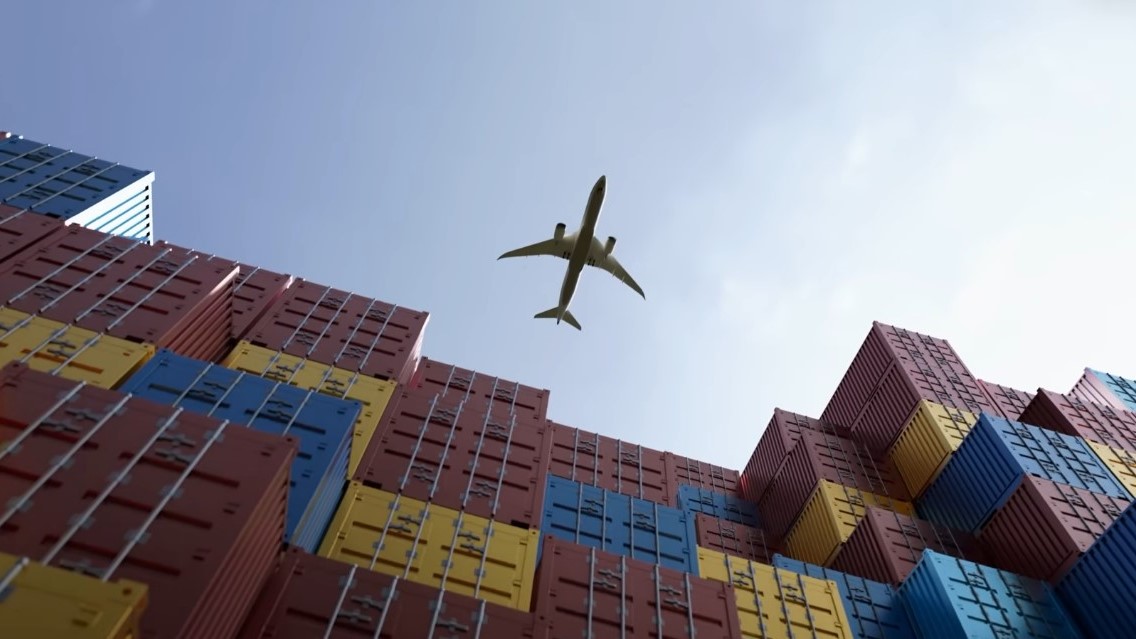
A suddenjet fuel price surgetriggered by escalating tensions in the Middle East could soon make flying significantly more expensive for travellers around the world.
Airlines are warning that rising fuel costs linked to thewar in Iranmay force carriers to increase ticket prices sooner than many passengers expect, as airline executives, political leaders and lawmakers grapple with the economic consequences of the conflict. Industry analysts say the shift could affect flights globally, with air travel prices likely climbing throughout the year.
A sharp jet fuel price surge has emerged as one of the most immediate economic effects of the growing Middle East conflict. According to areport, fuel is one of the highest costs for airlines, accounting for roughly 20% to 25% of operating expenses. When fuel prices jump, airlines often pass those costs directly to passengers through higher ticket prices.
In recent days, jet fuel prices have climbed dramatically following airstrikes connected to thewar in Iran, raising alarm across the aviation industry. Airline leaders have already warned that passengers may soon see the effects in the form of rising air travel prices.
Executives atmajor airlinesare signalling that fare increases may not be far away. Scott Kirby, the chief executive of United Airlines, said rising fuel costs could soon impact travellers' wallets, warning that the spike would have a 'meaningful' effect on airline finances and that higher ticket prices would 'probably start quick' if the fuel surge continues.
Airlines, including American Airlines, United, and other global carriers, now face billions of dollars in potential additional costs if fuel prices remain elevated. Industry analysts estimate that major airlines could collectively face more than $5 billion (approximately £3.74 billion) in extra fuel expenses if current trends persist throughout the year. For passengers, the likely outcome is straightforward: rising air travel prices across many routes.
The surge in fuel costs is closely tied to the escalatingwar in Iran, which has shaken global energy markets. The conflict has disrupted key shipping routes and heightened fears of supply interruptions in the Middle East, a region responsible for a significant share of the world's oil production. In particular, concerns surrounding the Strait of Hormuz, a strategic passage through which a large portion of the world's oil supply travels, have pushed energy prices higher.
These disruptions quickly translate into higher aviation fuel costs, and experts warn that airlines may have little choice but to raise air travel prices in the coming months.
While airlines deal with the economic consequences, political messaging surrounding the war in Iran has also created confusion. Marco Rubio said the goal of the conflict was 'not regime change', but also suggested that the United States would like to see 'different leaders in power', comments that appeared contradictory and sparked debate about the administration's true objectives.
The remarks have added another layer of uncertainty as governments attempt to frame the growing conflict. Meanwhile, lawmakers on Capitol Hill are reportedly struggling to define the situation, with some reluctant to officially label the escalating crisis as a war despite mounting military actions.
Source: International Business Times UK
