Authored by Tamuz Itai via The Epoch Times,
For months, the assumption that the Strait of Hormuz was Tehran's ultimate card dominated commentary on the war.
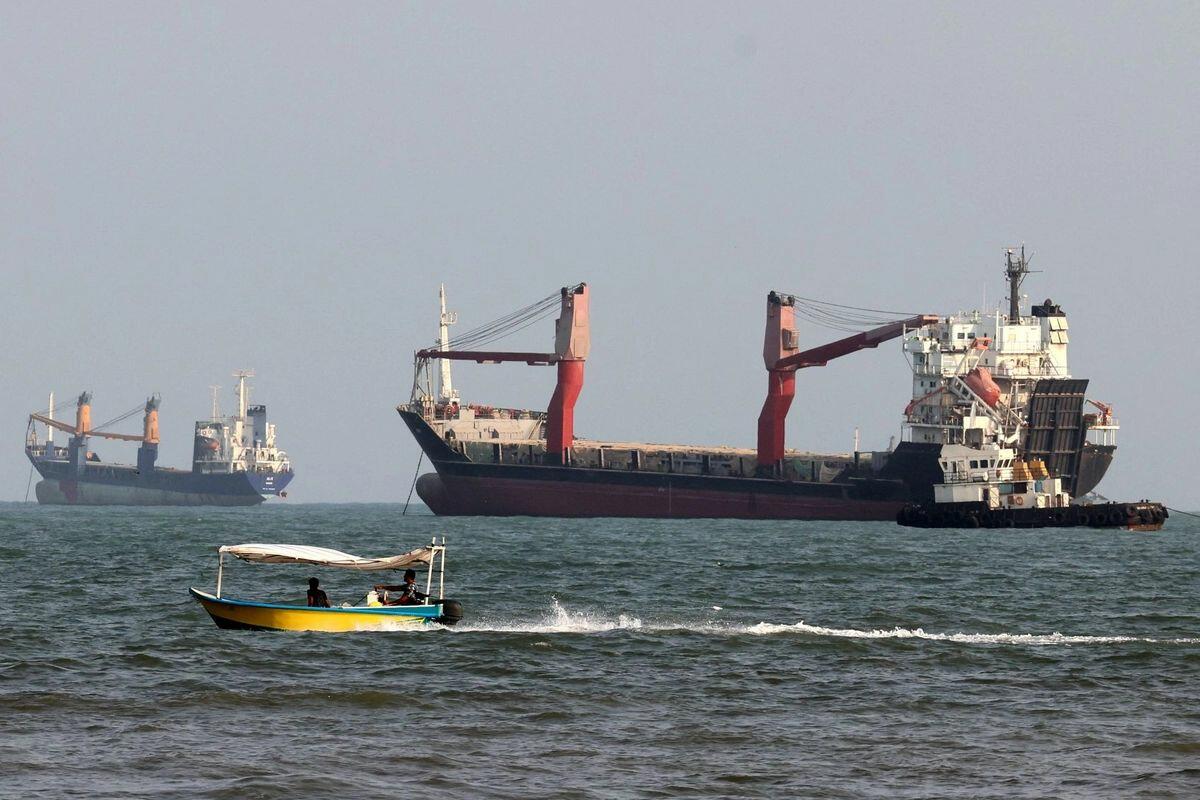
Vessels are seen in the Strait of Hormuz, off the port city of Bandar Abbas in southern Iran on Aug. 10, 2026. Atta Kenare/AFP via Getty ImagesAs a narrow waterway through which roughly one-fifth of the world's oil and a substantial share of liquefied natural gas had historically passed, it appeared to be a chokepoint Iran could close or severely disrupt at will. It did not need to destroy every tanker. Hitting a small percentage with drones, cruise missiles, speedboats, or mines would spike insurance rates, deter crews and companies, and effectively shut the strait without continuous physical control.
This idea was not new for 2026. It had long been a feature of the Iranian strategic posture, treated as both a military instrument and a political myth-proof that even under pressure Tehran retained a decisive lever over the global energy system. Parts of the Western media and independent analysts amplified the same narrative.
Relying on incomplete open-source shipping data, especially once vessels began sailing dark, many concluded that the United States had been caught unprepared and lacked a realistic path to reopen the waterway. Hormuz, they argued, was effectively closed or closable at Iran's discretion. That framing was powerful, but also incomplete.
How the Threat Has Been Eroded
The assum