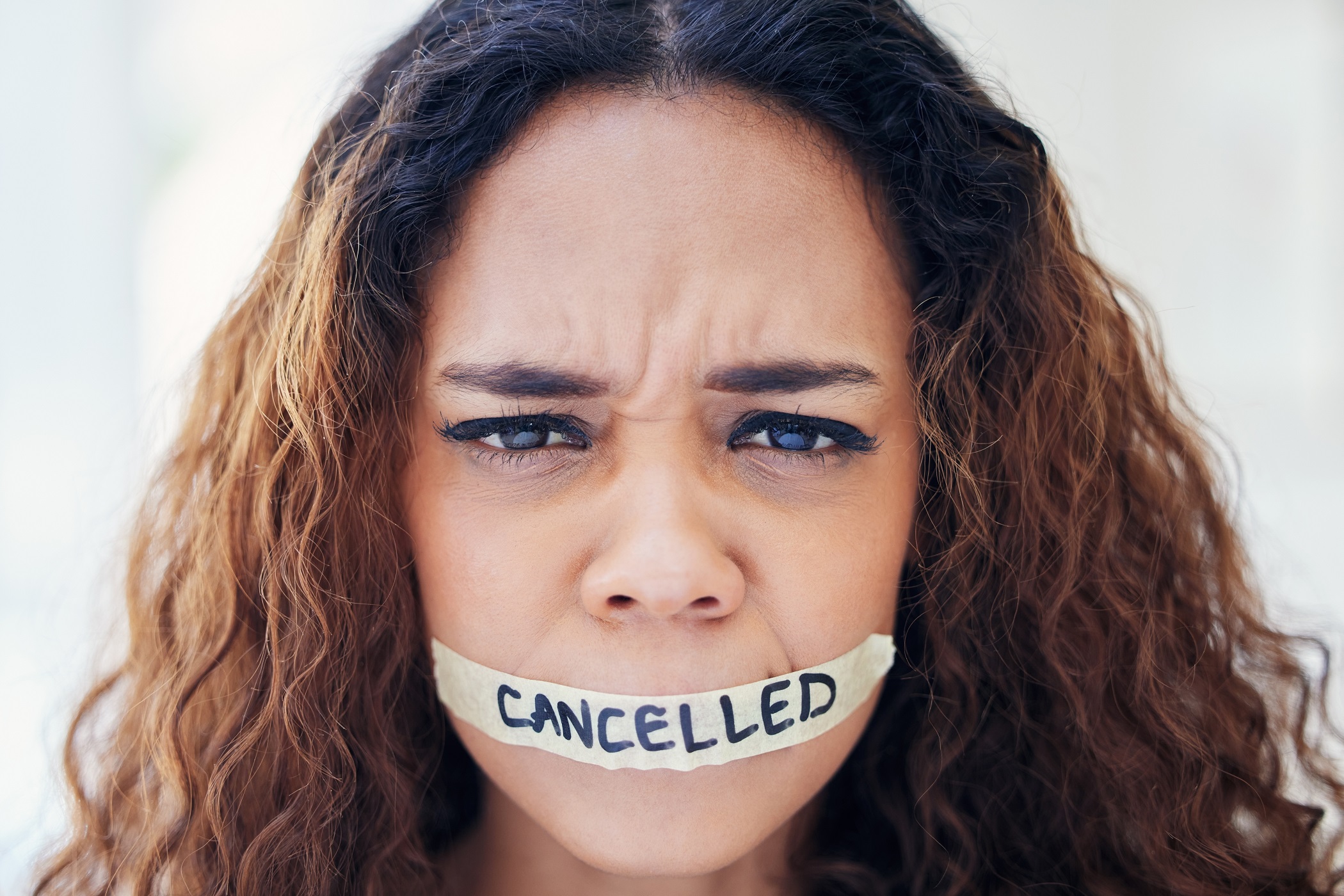
In a striking display of selective advocacy, prominent social justice influencer Mia Rivera publicly demanded the deplatforming of conservative podcaster Jack Harlan for his critiques of government overreach, only to celebrate her own viral rant against police as "protected speech" days later. The incident, highlighted in a recent Activist Post exposé, has ignited fresh debates over hypocrisy in free speech battles, exposing what critics call a "do-as-I-say" mentality among progressive activists.
Rivera's call to action came during a live Twitter Space on February 5, where she labeled Harlan's episode questioning vaccine mandates as "hate speech that endangers lives." She rallied her 2.5 million followers to pressure podcast platforms like Spotify and Apple to remove his content, citing rising "misinformation" as justification. Harlan, a vocal libertarian with over a decade in independent media, faced temporary suspensions on YouTube and Instagram following the campaign, losing thousands of subscribers overnight.
Just 48 hours prior, Rivera had unleashed a profanity-laced tirade on TikTok accusing law enforcement of systemic racism, amassing 10 million views and endorsements from celebrities like Alyssa Milano. When faced with calls for her own content removal from conservative users, Rivera dismissed them as "fascist censorship," invoking the First Amendment and decrying "right-wing snowflakes." Activist Post's article, titled "Free Speech for Me but Not for Thee," meticulously documented the double standard with screenshots and timelines, arguing it exemplifies a broader trend in Silicon Valley's content moderation biases.
This episode fits into a pattern of asymmetrical free speech enforcement that has defined the culture wars. Data from the Media Research Center shows progressive-leaning accounts are 40% less likely to face demonetization for inflammatory rhetoric compared to conservative ones, per a 2025 study. Tech giants like Meta and X (formerly Twitter) have faced lawsuits alleging viewpoint discrimination, with Harlan now joining plaintiffs in a class-action suit against Big Tech for selective enforcement.
Experts weigh in on the implications. Free speech advocate Nadine Strossen, former ACLU president, told The Culture War that such hypocrisy erodes public trust in institutions: "When elites demand censorship for their foes but immunity for themselves, it fuels cynicism and polarization." Meanwhile, Rivera's defenders argue context matters—Harlan's views allegedly incite real-world harm, unlike her "artistic expression." Yet, as Activist Post notes, the lack of consistent standards risks turning digital public squares into echo chambers for the powerful.
As the story unfolds, Harlan vows to fight back legally, while Rivera has gone silent on the backlash. The clash underscores a pivotal question in America's fractured discourse: Can free speech thrive when it's wielded as a weapon by one side and a shield by the other? With midterms looming, this free speech flashpoint could reshape voter priorities on tech regulation and platform accountability.
