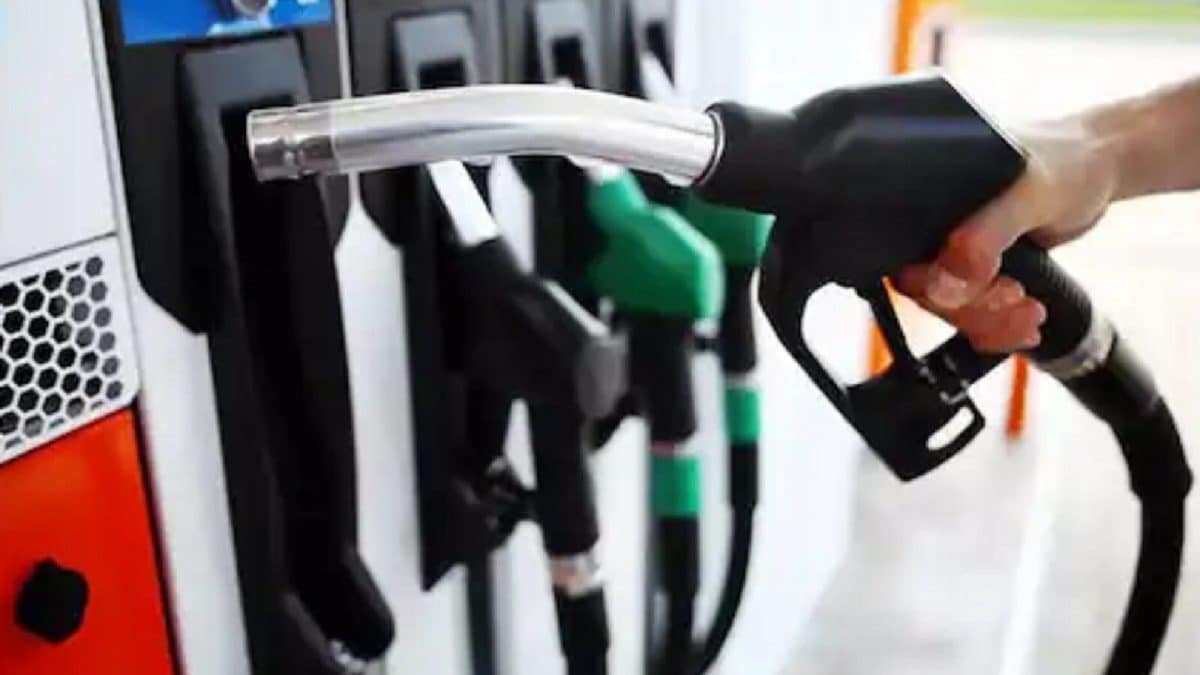
In a move that has sent shockwaves across the country, the Pakistani government announced a massive increase of 55 rupees per litre in the prices of both petrol and high-speed diesel on Friday night. The unprecedented hike, effective from midnight on March 7, comes as the escalatingwar between Iran, Israel, and the United Statescontinues to choke global energy supply lines and threaten the stability of the entire region.
The decision was formalised during an emergency late-night press conference addressed by Deputy Prime Minister Ishaq Dar, Finance Minister Muhammad Aurangzeb, and Petroleum Minister Ali Pervaiz Malik. The new rates bring the price of petrol to PKR 321.17 per litre and high-speed diesel to PKR 335.86 per litre.
The announcement triggered immediate chaos at fuel stations in major cities, including Lahore, Karachi, Islamabad, and Rawalpindi. Fearing a total shortage, thousands of motorists rushed to pumps to fill their tanks to capacity, leading to queues that stretched for kilometres. In several locations, scuffles broke out as petrol station owners, anticipating the price jump or fearing future stockouts, reportedly began rationing sales or shutting down operations entirely.
https://images.news18.com/ibnlive/uploads/2026/03/Fuel-station-in-Pakistan-after-prices-were-hiked-2026-03-4d7a1f31a38d48561fcf9f2208486351.mp4
The rationale behind the “petrol bomb" lies in the volatile situation in theStrait of Hormuz. Following recent military strikes that killed senior Iranian leaders, Iran has effectively halted traffic through this vital maritime corridor. Since Pakistan imports nearly 90% of its oil and 99% of its LNG through this route, the blockade has created a terrifying supply-chain vacuum.
Government officials noted that globaloil priceshave surged from $78 per barrel to nearly $107 in a matter of days. Furthermore, the cost of maritime insurance and freight has exploded, with war-risk premiums making it nearly impossible for private oil marketing companies (OMCs) to sustain imports without massive state intervention or immediate price adjustments.
Despite the hike, the government is also mulling drastic conservation measures reminiscent of the Covid-19 pandemic. Finance Minister Aurangzeb hinted that the cabinet is considering mandatory work-from-home policies and distance learning for educational institutions to curtail demand.
Currently, Pakistan has roughly 26 days of petrol and 25 days of diesel stocks remaining. To stretch these reserves, the government has requested Saudi Arabia to provide oil through alternative Red Sea routes and is negotiating for supplies outside the high-risk Gulf corridors. However, with the IMF urging Pakistan to pass the full weight of international pricing to consumers to avoid a fiscal collapse, the citizens are bracing for a period of extreme inflation and economic hardship.
Source: World News in news18.com, World Latest News, World News
