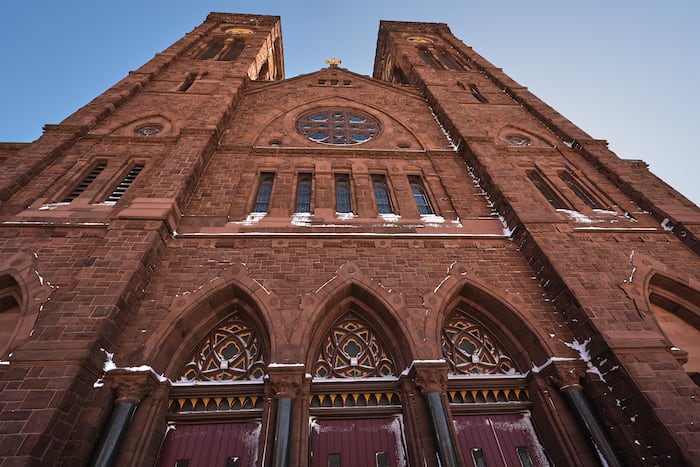
PROVIDENCE, R.I. (AP) — The sound of the school nurse’s office door opening. Light reflecting off a stained-glass window. Tearful outbursts and fear of getting on the school bus.
For many survivors of clergy abuse, memories like these linger for decades.
A report released this week by the Rhode Island attorney general detailed decades of abuse inside the state’s Catholic Diocese of Providence, identifying 75 clergy members who sexually abused more than 300 children since 1950. The investigation drew on thousands of church records and years of interviews with victims and witnesses. Officials said the true number of victims is likely much higher.
But survivors say the numbers capture only part of the story. Behind each case, they say, are childhood fragments that resurface years later — along with the long struggle to understand what happened.
Many survivors spent decades searching for answers and pressing authorities to investigate. Now some are speaking publicly about what they endured and what they hope will come next: broader support for survivors, help from the church to pay for therapy and counseling, and accountability from Catholic leaders.
“I can still hear the click of the hardware in that metal door opening to this very day,” said Dr. Herbert “Hub” Brennan, an internal medicine doctor who lives and works in his hometown of East Greenwich, Rhode Island, where he grew up in a devoutly Catholic family.
Brennan was sexually abused in elementary school by the Rev. Brendan Smyth, an Irish priest who arrived in the community in the 1960s. Brennan was an altar server at Our Lady of Mercy Parish when the abuse began in the church sacristy.
Brennan says a nun would pull him from class and send him to wait in the principal's office until Smyth arrived and led him into the nurse’s room.
“They say that rape is one of the few crimes where the victim feels the shame,” Brennan said. “But the shame is enormous. And then the secrecy that follows to hide that shame gets in the way of healing.”
Brennan confronted it years later when a newspaper arrived on his doorstep in 1995. The headline about Smyth’s arrest in Ireland read: “Diocese has no complaints against jailed priest.”
Source: WPLG
