Authored by Trita Parsi via Antiwar.com, reprinted with permission from Trita Parsi's Substack.
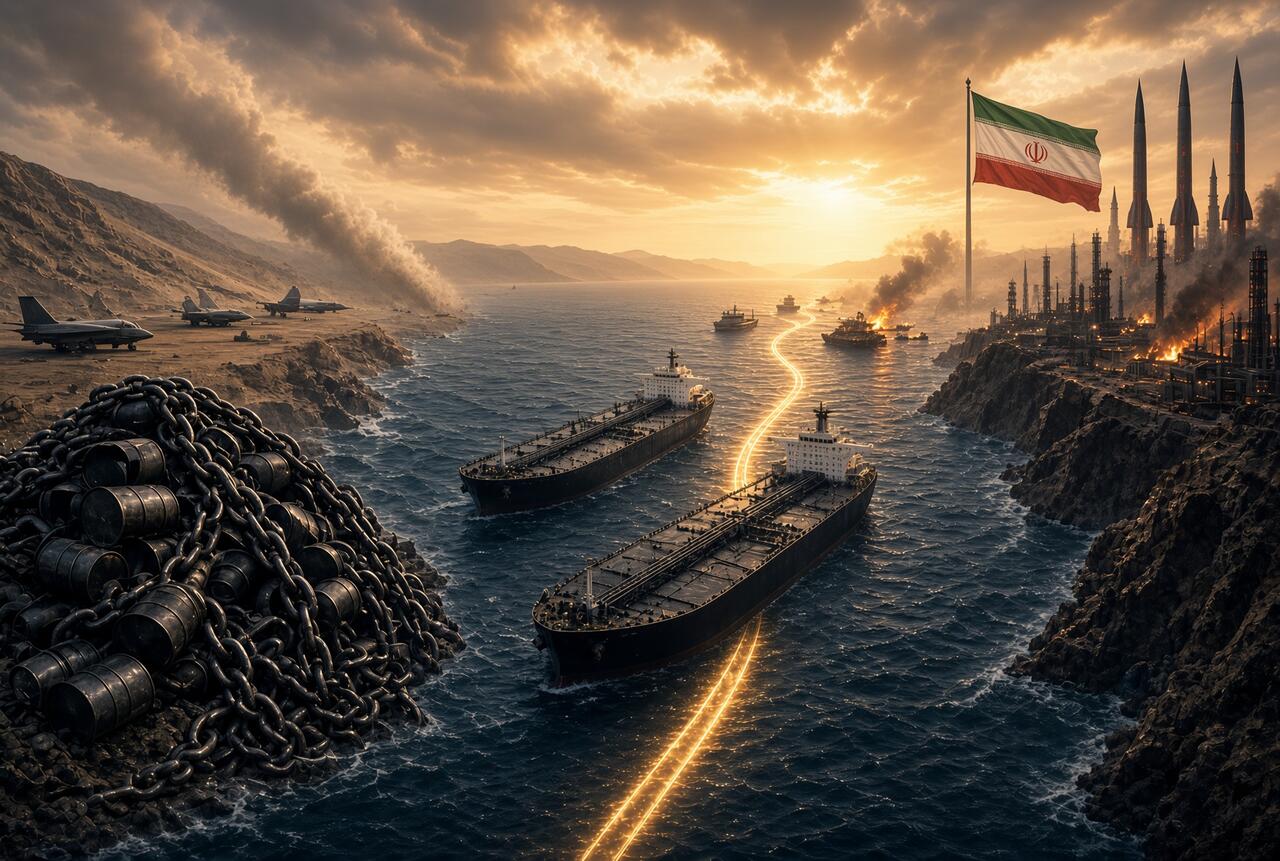
The Trump administration believes it has turned the tables on Iran. Washington assesses that the rerouting of maritime traffic through the Omani corridor, combined with a global shift away from Persian Gulf oil, has reduced the effectiveness of Tehran's closure of the Strait of Hormuz. At the same time, the U.S. blockade has sharply constrained Iran's ability to sell its oil. The result, in Washington's view, is a status quo that imposes greater costs on Iran than on the United States.
That calculation changes the strategic equation. Rather than being forced to accommodate Iranian demands, President Donald Trump now believes he can afford to wait Tehran out. For the first time since the war began, the White House has concluded, time is working in America's favor.
Assuming that assessment is correct, the more important question is what Trump intends to do with this newfound leverage. If Washington interprets Iran's vulnerability as an opportunity to extract capitulation rather than to negotiate a durable settlement, the result is more likely to be another round of war than an end to the conflict. Tehran has already demonstrated that when confronted with a choice between surrender and escalation, it will choose the latter. Giving Iran the same choice again is therefore unlikely to produce a different outcom