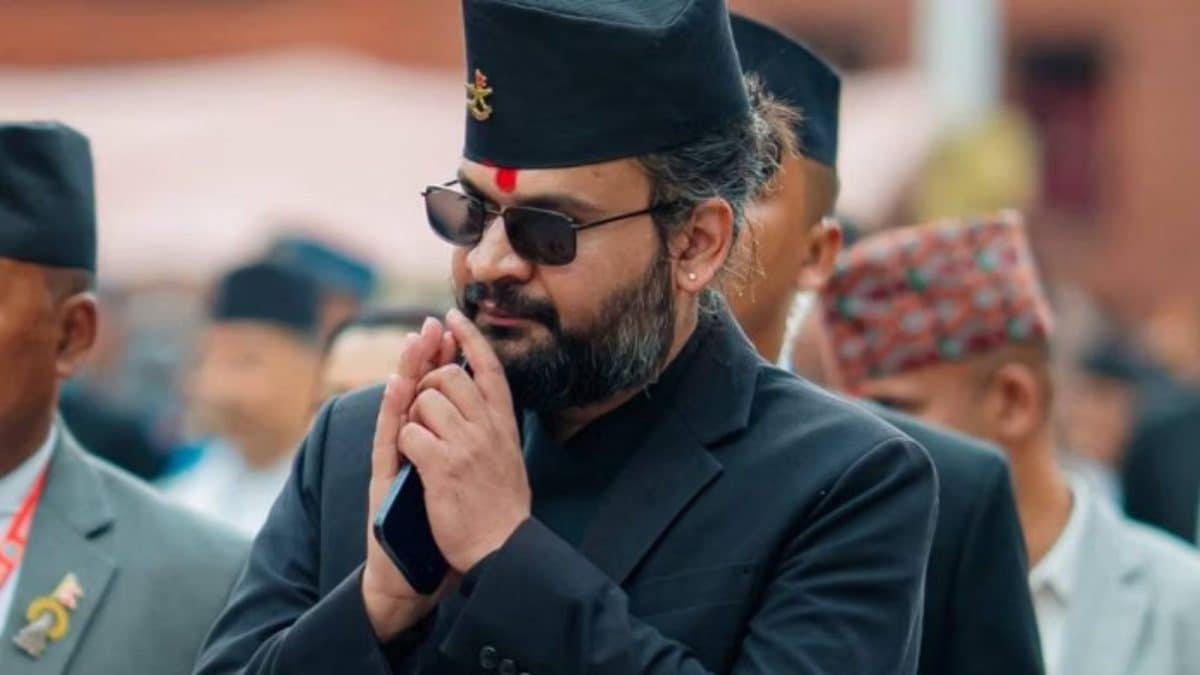
In a political earthquake that has altered the landscape of the Himalayas, emerging results of the Nepal elections indicate a historic landslide victory on Friday for the Rastriya Swatantra Party (RSP), led by its prime ministerial candidate,Balendra “Balen" Shah. Following the general elections on March 5, the RSP is currently leading in about 110 of the 165 directly elected seats, essentially decimating the “old guard" of Nepali politics. The victory follows a tumultuous year of Gen Z-led protests that toppled the previous KP Sharma Oli-led government in September 2025, signalling a total rejection of traditional establishment parties.
For India, thisresultrepresents a profound shift. Balen Shah is not merely a new Prime Minister; he is the face of an assertive, technocratic, and uncompromisingly nationalistic generation that views the “special relationship" with New Delhi through a lens of equality rather than historical obligation.
For decades, New Delhi’sNepalpolicy was anchored in stable relationships with established entities like the Nepali Congress and the CPN-UML. Balen Shah’s rise marks the end of this predictable era. Having served as the mayor of Kathmandu before joining the RSP in late 2025, Shah has consistently bypassed traditional diplomatic channels, preferring direct social media engagement with his 3.5 million followers.
His victory means India can no longer rely on back-channel negotiations with ageing patriarchs. Shah’s mandate is built on transparency and “Nepal First" rhetoric. To maintain influence, Indian diplomats will need to adapt to a leader who views foreign policy not as a series of historical compromises but as a technical negotiation aimed at maximising Nepal’s sovereign interests.
Shah has already demonstrated a willingness to spark friction over symbolic sovereignty. His previous “Greater Nepal" map controversy and his temporary ban on Indian films in the capital are early indicators of his populist brand of nationalism. With a potential two-thirds majority in Parliament, Shah now has the domestic capital to take a harder line on sensitive issues such as the 1950 Treaty of Peace and Friendship and the Kalapani-Lipulekh border disputes.
New Delhi must prepare for a Kathmandu that is less inclined to “cautious diplomacy" and more prone to “vocal sovereignty". While this could lead to short-term diplomatic irritants, it also offers India a chance to settle long-standing issues with a leader who actually possesses the popular mandate to make final, binding decisions.
Despite the nationalistic posturing, Shah’s core appeal is rooted in his background as a structural engineer. His RSP manifesto focuses on “Vikas" (development), promising to create 1.2 million jobs, double the GDP to $100 billion, and reform urban infrastructure. This provides a significant opening for India’s “Neighbourhood First" policy.
India is Nepal’s largest trading partner and its primary source of foreign investment. If New Delhi can align its developmental assistance with Shah’s technocratic priorities—specifically in hydropower, digital connectivity, and integrated check-posts—it can build a new partnership based on economic utility. Shah’s focus on results over ideology might actually make him a more reliable partner for large-scale infrastructure projects that were previously stalled by the bureaucratic paralysis of the old coalition governments.
The most delicate aspect of the Shah era will be his “balanced relations" doctrine. Shah has expressed equal frustration with India, China, and the United States, famously venting his ire at all three in viral social media posts. Unlike his predecessors, who were often labelled “pro-India" or “pro-China," Shah belongs to a generation that seeks to play both giants against each other for Nepal’s benefit.
India’s challenge will be to ensure that Shah’s “Nepal First" policy does not inadvertently slide into a “China First" reality. New Delhi must emphasise its unique role as a cultural and geographic kin, while respecting the new Prime Minister’s demand for a more transactional and dignified bilateral framework.
Source: World News in news18.com, World Latest News, World News
