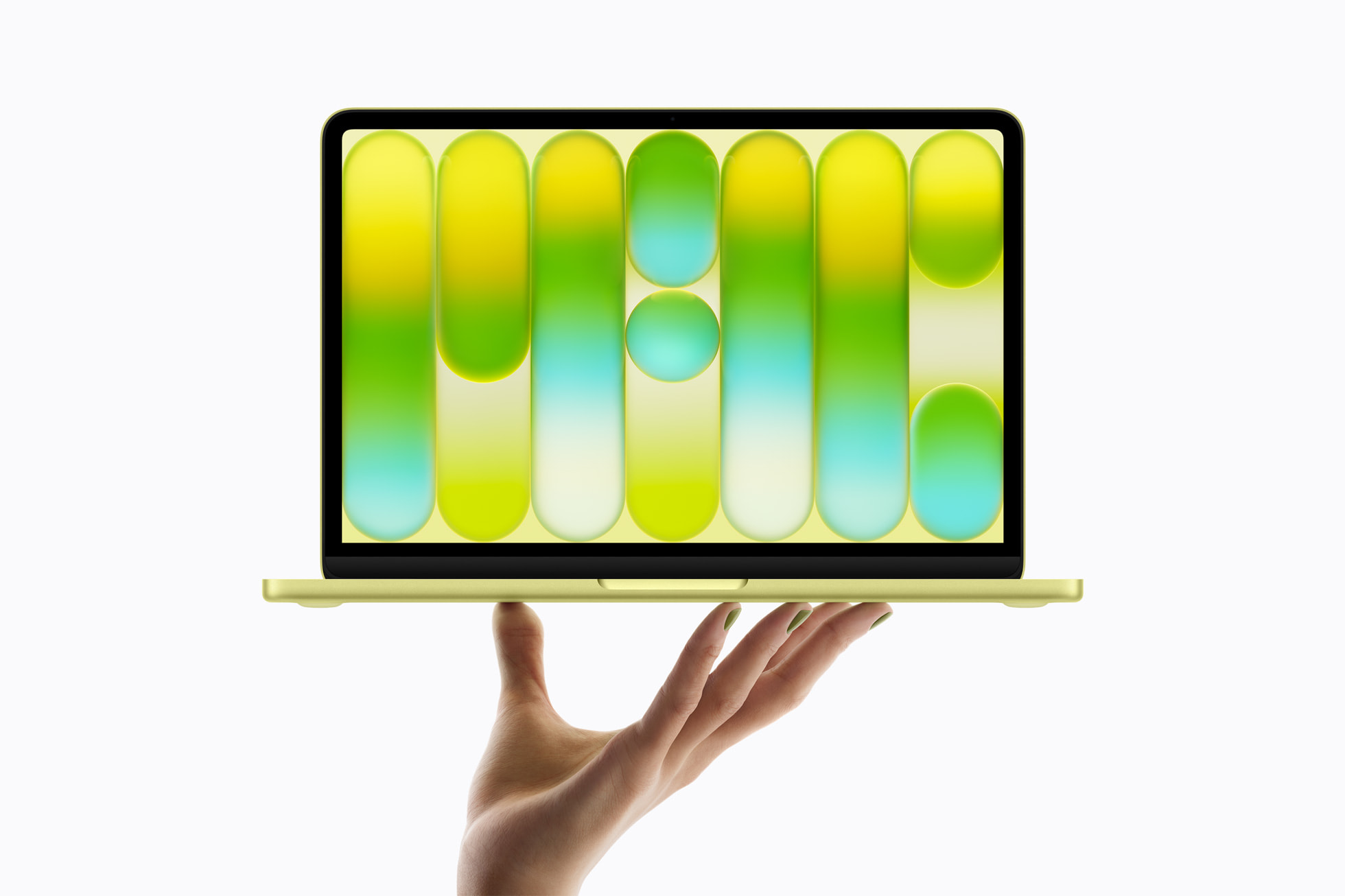
Early benchmarks for Apple's freshlyunveiledMacBook Neo, released this week at $599 with pre-orders live now ahead of its March 11 launch, pit it directly against the ageing M1 MacBook Air in a battle of budget laptops.
It can be recalled that Apple surprised the tech world just days ago by introducing the MacBook Neo as its cheapest ever laptop, borrowing the A18 Pro chip from the iPhone 16 Pro to target students, families and casual users eyeing rivals like Windows PCs and Chromebooks.
The Cupertino giant positioned it as a breakthrough in affordability without skimping on that signature Apple sheen think vibrant colours, a 13-inch Liquid Retina screen and up to 16 hours of battery. But the real test arrived yesterday when the first Geekbench results leaked online, uploaded from a unit running macOS 26.3.1, sparking immediate chatter about whether this iPhone-powered Mac can truly step into the shoes of the 2020 M1 Air, still a darling for many on a tight budget.
These initial numbers don't lie, though with just one result in, we'd be daft to call them gospel more will surely follow as review units ship. The Neo clocked a single-core Geekbench score of 3461 and multi-core at 8668, alongside a Metal graphics mark of 31286. Stack that against the M1 MacBook Air's 2346 single-core, 8342 multi-core and 33148 Metal, and the picture sharpens: multi-core is neck-and-neck, but the Neo surges ahead in single-core by nearly 50 per cent.
That's no small potatoes for everyday punters. Single-core grunt powers the stuff most folk do – zipping through Safari tabs, firing up Word docs or bingeing Netflix without a stutter. Apple itself bangs on about the A18 Pro being 'up to 50 per cent faster for everyday tasks' than the top-selling Intel Core Ultra 5 PC laptop, a claim backed by their own Speedometer tests.
John Ternus, Apple's hardware chief, gushed in the launch presser: 'MacBook Neo is a laptop only Apple could create,' highlighting its fanless silence and 16-core Neural Engine for AI tricks like photo clean-ups. Yet multi-core parity with the M1 means don't expect miracles in Premiere Pro renders or Logic Pro sessions; this isn't for pro creators chasing M4-level firepower at 14730 multi-core.
For context, the Neo mirrors the iPhone 16 Pro's CPU prowess 3445 single, 8624 multi – but dips slightly on Metal owing to one fewer GPU core (five versus six). Compared to an M3 iPad Air (3048/11678) or basic iPad 11 (2587/6036), it holds its own, especially in snappy responsiveness that feels more 'future-proof' than the M1's five-year-old architecture.
Dig deeper, and the Neo's appeal sharpens for the upgrade crowd nursing an M1 Air. That old warhorse, launched back in 2020, revolutionised laptops with its efficiency, but it's showing creaks now ARM apps optimised for newer silicon run smoother on the Neo, and Apple's Intelligence features demand at least A17 Pro levels. Priced at a cheeky $599 (or £599 here, one suspects), the newcomer packs 8GB unified memory and 256GB storage base, matching the Air's entry spec but with modern perks like Wi-Fi 6E, Bluetooth 6 and a 1080p webcam trouncing the M1's 720p.
Apple's marketing sidesteps direct Mac rivalries, fixating instead on crushing Chromebooks: 'up to 3x faster for on-device AI workloads and 2x for photo editing,' per their benchmarks against Intel foes. Fair play forum chatter already buzzes with parents eyeing it for kids' schoolwork, dubbing it 'the spiritual successor' to the M1 Air minus the premium tag. But sceptics point to the shared 8GB RAM cap; fine for browsing, yet tab-hoarders or Lightroom dabblers might hit walls faster than on a 16GB M1.
The build screams value too: recycled aluminium in blush, indigo, silver or citrus hues, weighing a portable 2.7 pounds with rounded edges that feel premium, not plasticky. Its Liquid Retina display boasts 500 nits brightness and anti-glare coating, outshining budget Windows rivals while sipping power for all-day juice. Magic Keyboard and spacious trackpad carry over that tactile joy, now with Spatial Audio speakers for Netflix nights.
Source: International Business Times UK
