Authored by Mary Prenon via The Epoch Times,
For a typical U.S. household, it can take decades to save for a home and reach the point where buying becomes cheaper than renting, with the timeline stretching into retirement in some expensive markets, according to an Aug. 20 Zillow report.
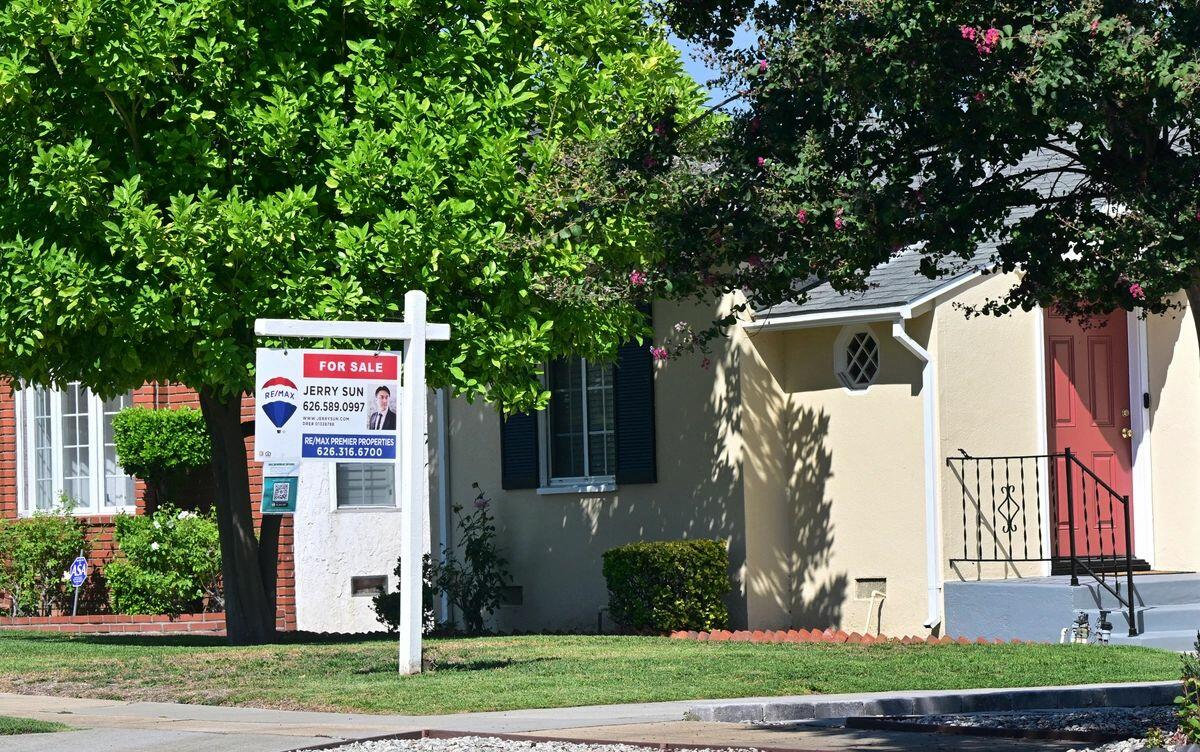
A "for sale" sign is posted in front of a home for sale in San Marino, Calif., on Sept. 6, 2023. Frederic J. Brown/AFP via Getty ImagesZillow calculated the number of years that a household saving 10 percent of the area's median income would need to save for a 20 percent down payment on either a typical single-family or starter home. The break-even period was when the cumulative cost of owning a home fell below the cost of renting a similar home.
Nationally, Zillow found that after about 15 years, the average household can reach the point where purchasing a home becomes financially advantageous compared with renting for the same amount of time. This includes about 8.5 years of saving for the down payment and another 6.2 years to break even on the purchase.
For starter home purchases, the saving and break-even point is much shorter, at just 7.2 years, compared with renting a multifamily unit.
However, in some high-cost markets, the timeline can be very long. In San Diego, where the median list price was $1.23 million as of July 31, it takes nearly 50 years to reach that point - the longest timeline nationwide.
Other notable markets with lengthy