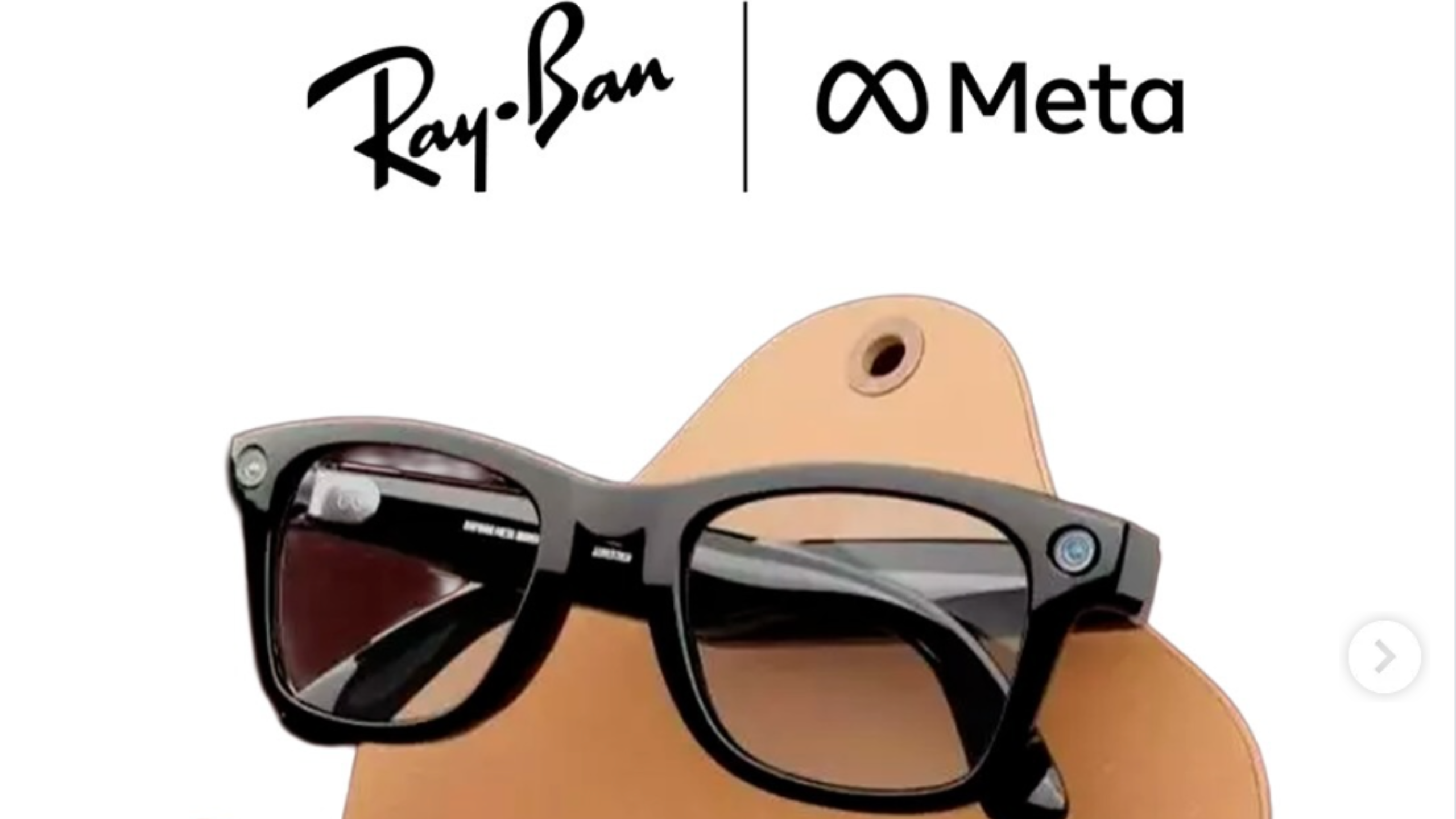
Somewhere in Nairobi, contract workers sat in a monitored office drawing boxes around objects in video footage. Some of that footage showed people undressing. Some showed sex. Some showed bathroom visits that the wearers ofMeta's Ray-Ban AI smart glassesalmost certainly never intended anyone else to see.
Aclass action lawsuitfiled on Wednesday in federal court in San Francisco now puts those claims at the centre of a legal fight over what Meta actually meant when it marketed the glasses as 'designed for privacy, controlled by you.'
The Clarkson Law Firm brought the complaint on behalf of Gina Bartone of New Jersey and Mateo Canu of California. Both allege Meta violated privacy laws and engaged in false advertising,according to TechCrunch. The suit names Meta and glasses manufacturing partner Luxottica of America as defendants.
More than seven million pairs were sold in 2025. Footage from those devices feeds into a data pipeline for human review, and users cannot opt out.
The lawsuit traces back to a joint investigation published on 27 February by Swedish newspapers Svenska Dagbladet and Göteborgs-Posten. Reporters found that data annotators employed by Sama, a subcontracting firm in Nairobi, had been labelling images and videos captured by the glasses to train Meta's AI systems,Decrypt reported.
The contractors did not mince words. One told the Swedish papers they had seen people using the toilet and getting undressed, and that users probably had no idea the footage was being watched. Others described viewing credit card numbers and explicit sexual content filmed by wearers.
Meta has said it uses AI to blur faces before footage reaches the annotation teams. Workers at Sama disputed that. The blurring did not consistently work, they said, particularly in low light. A former Meta employee backed that up, telling the Swedish outlets the anonymisation algorithms sometimes failed.
A post shared by CEO New York™ (@ceo.newyork)
The UK's Information Commissioner's Office called the allegations 'concerning' and confirmed it has written to Meta demanding information on how the company meets its obligations under UK data protection law,The Register reported. 'Devices processing personal data, including smart glasses, should put users in control and provide appropriate transparency,' the ICO spokesperson said.
Meta spokesperson Christopher Sgro responded to the broader issue but not the lawsuit itself. He said media stays on a user's device unless they choose to share it. 'When people share content with Meta AI, we sometimes use contractors to review this data for the purpose of improving people's experience, as many other companies do,' he said,Engadgetrevealed.
Source: International Business Times UK
