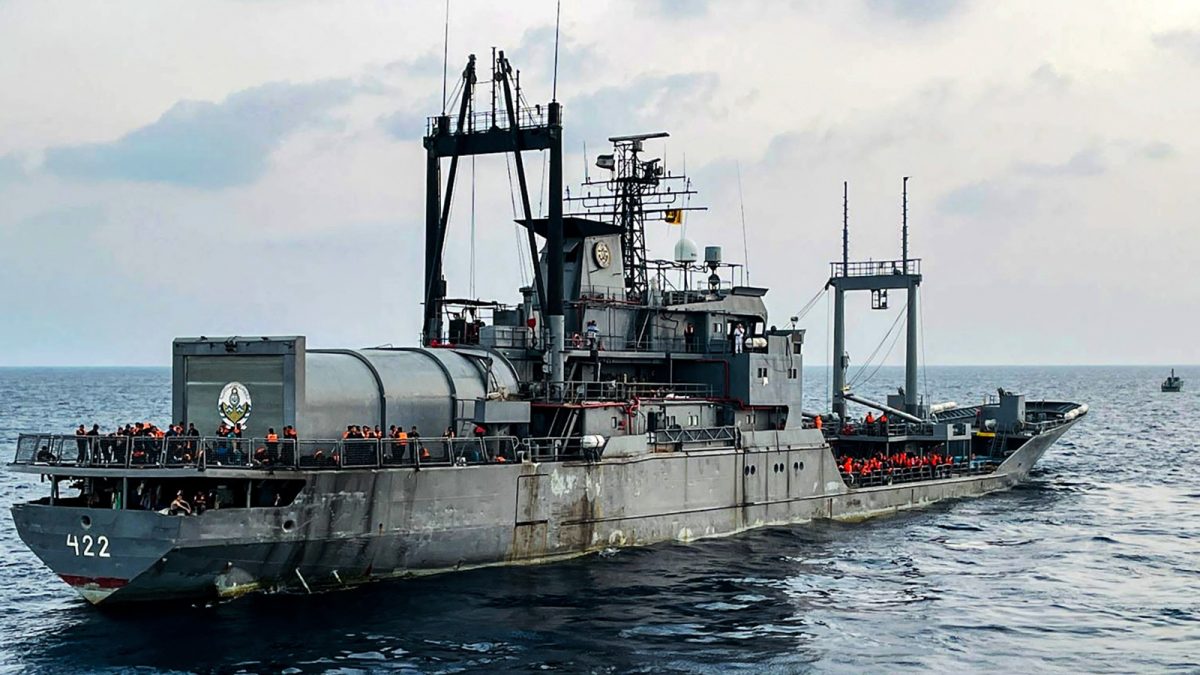
A US submarine’s torpedo strike on an Iranian warship this week has renewed focus on the strategic importance of submarines and undersea warfare in modern conflicts.
Thesinking of IRIS Denaon Wednesday in international waters off Sri Lanka killed at least 86 crew members, in what Iranian Foreign Minister Abbas Araghchi called an “atrocity."
The attack came after US-Israeli strikes on Iran over the weekend triggered a wider conflict in the Middle East, with Tehran launching retaliatory operations across the region.
The US Navy had not conducted a torpedo strike since 1945, making the event a stark demonstration of undersea capabilities. Washington later released periscope footage showing the submarine firing and images of the warship’s hull tilting as it sank.
Alessio Patalano, a professor at King’s College London, said the ship “sank in less than 20 minutes" and confirmed the sophistication of American submarine warfare. “It didn’t stand a chance," he said.
ALSO READ:US Navy Submarine USS Charlotte Fired Torpedo That Sank Iran’s IRIS Dena: Report
The IRIS Dena incident marks one of the few wartime torpedo attacks in recent decades. The last confirmed case was in 1982, when the British submarine HMS Conqueror sank the Argentine cruiser Belgrano during the Falklands War. In 2010, South Korea’s Cheonan corvette was torpedoed in an incident attributed to North Korea.
A European military source explained that torpedoes detonate under a ship, creating a massive air bubble that breaks the vessel’s structure when it collapses.
Stealthy submarines can launch attacks from dozens of kilometres away, making them “the ultimate wartime weapon," the source said. Countries with advanced undersea fleets enjoy a clear advantage in naval confrontations, especially when surface fleets are evenly matched.
ALSO READ:Sri Lanka To Take Control Of Iranian Ship IRIS Bushehr After US Torpedoed IRIS Dena
Source: World News in news18.com, World Latest News, World News
