Chinese military technology deployed in Iran during the ongoing conflict, as well as last’s year June 12 day war, struggled to withstand the US-Israel strikes.
According to reports by defence experts, Beijing effectively turned Iran into another testing ground for its military equipment after similar concerns emerged following India’s Operation Sindoor in Pakistan last year, conducted in response to the Pahalgam terror attack.
The latest US‑Israel‑Iran conflict marks the third major instance where Chinese defence technology has faced drawbacks over its performance.
Beijing’sdeployments in Iranfocused largely on air defence systems, radar networks, navigation tools and dual-use components rather than direct combat platforms. Such support allows China to test equipment and signal deterrence while keeping risks low.
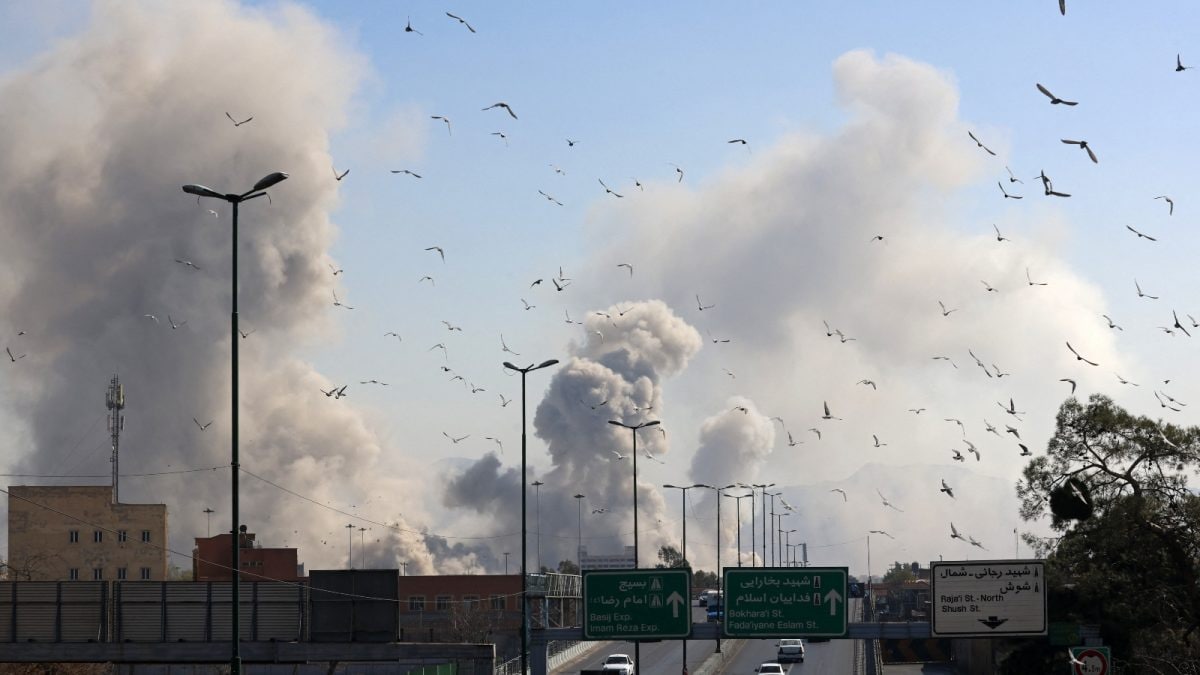
However, the strikes exposed significant weaknesses. The February 28 coordinated US-Israeli attacks and follow-up waves targeted nearly 1,000 sites across 20 provinces, including nuclear and missile infrastructure, command centres and leadership compounds.
According to the assessment, several Chinese-supplied systems were quickly overwhelmed under sustained pressure.
ALSO READ:Understanding The Strategic Calculus Behind China’s ‘Unconditional Support’ For Iran | Exclusive
Iran’s Chinese-supplied HQ-9B air defence systems reportedly failed to intercept advanced aircraft such as B-2 bombers, F-35 fighters, and cruise missiles including Tomahawk and JASSM.
Several batteries were destroyed during the opening hours of the attack, with reports suggesting at least three units were wiped out rapidly. Key nuclear sites such as Natanz and Fordow enrichment facilities were heavily damaged.
Strikes also hit compounds in Tehran, including the one where Iran’s Supreme Leader Ayatollah Ali Khamenei was killed. Iran’s long-range air defence layer collapsed early, allowing attackers to maintain near-complete air superiority.
Source: World News in news18.com, World Latest News, World News
