1/7Have you ever wondered whether keeping your phone or laptop charger plugged in 24/7 is harmful? Many of us do it for convenience—after all, it’s easier to just leave the charger in the socket and plug in the device whenever needed. But is it safe for your devices, your electricity bill, or even your home? (Image: Canva)
Have you ever wondered whether keeping your phone or laptop charger plugged in 24/7 is harmful? Many of us do it for convenience—after all, it’s easier to just leave the charger in the socket and plug in the device whenever needed. But is it safe for your devices, your electricity bill, or even your home? (Image: Canva)
2/7Modern chargers are designed to be smart. Once your device is fully charged, the charger usually reduces the current or stops charging altogether. This means that leaving it plugged in does not necessarily overcharge your phone or laptop. Devices today have built-in circuits to prevent overcharging, so the battery itself is generally safe. (Image: Canva)
Modern chargers are designed to be smart. Once your device is fully charged, the charger usually reduces the current or stops charging altogether. This means that leaving it plugged in does not necessarily overcharge your phone or laptop. Devices today have built-in circuits to prevent overcharging, so the battery itself is generally safe. (Image: Canva)
3/7However, leaving a charger plugged in constantly does consume a tiny amount of electricity, even if no device is attached. This is called “vampire energy” or standby power. On its own, it’s very small—typically just a few watts—but over months or years, it can add up slightly on your electricity bill. It’s not a huge amount, but it’s worth knowing if you’re conscious about energy use. (Image: Canva)
However, leaving a charger plugged in constantly does consume a tiny amount of electricity, even if no device is attached. This is called “vampire energy” or standby power. On its own, it’s very small—typically just a few watts—but over months or years, it can add up slightly on your electricity bill. It’s not a huge amount, but it’s worth knowing if you’re conscious about energy use. (Image: Canva)
4/7Another concern is heat. Chargers can get warm while plugged in, especially cheaper or older models. Continuous heat exposure may slightly reduce the lifespan of the charger over time, and in rare cases, faulty chargers left plugged in for a long time could be a fire hazard. It is therefore recommended to unplug chargers when not in use, particularly if you’re using non-branded or worn-out chargers. (Image: Canva)
Another concern is heat. Chargers can get warm while plugged in, especially cheaper or older models. Continuous heat exposure may slightly reduce the lifespan of the charger over time, and in rare cases, faulty chargers left plugged in for a long time could be a fire hazard. It is therefore recommended to unplug chargers when not in use, particularly if you’re using non-branded or worn-out chargers. (Image: Canva)
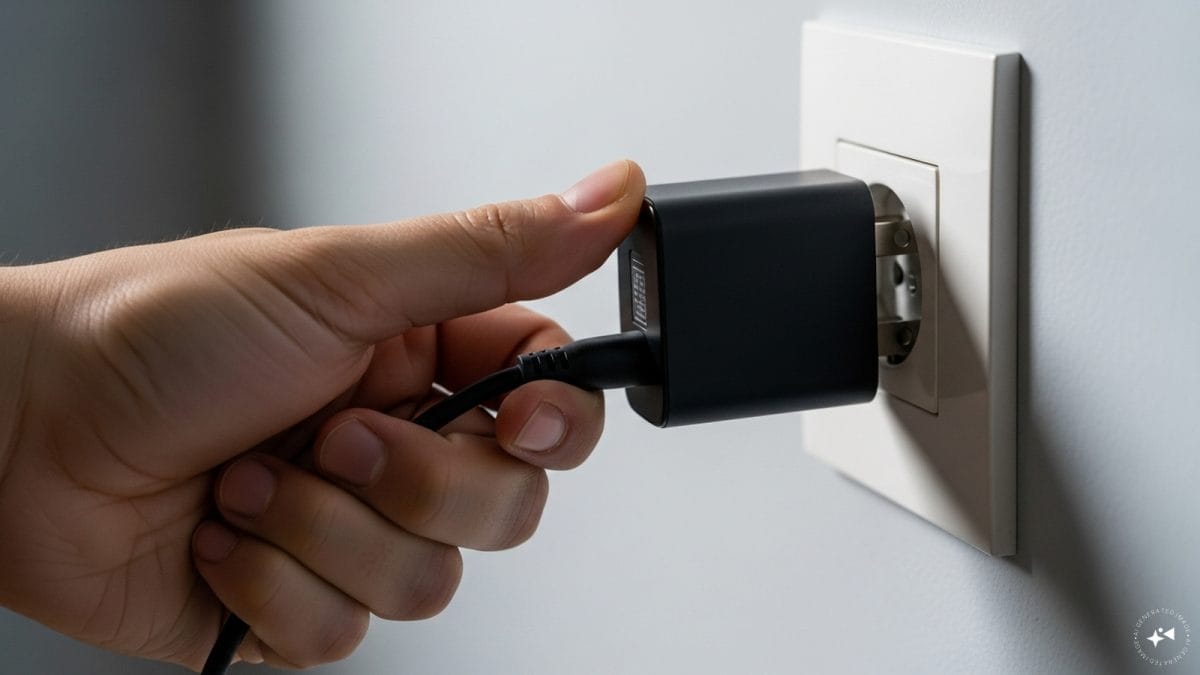
5/7There’s also a practical safety perspective: leaving chargers plugged in near water, flammable materials, or in unstable sockets increases the risk of accidents. While this is rare with good quality chargers, it’s better to be cautious—especially if you have children or pets at home. (Image: AI-Generated)
There’s also a practical safety perspective: leaving chargers plugged in near water, flammable materials, or in unstable sockets increases the risk of accidents. While this is rare with good quality chargers, it’s better to be cautious—especially if you have children or pets at home. (Image: AI-Generated)
Source: Tech News in news18.com, Tech Latest News, Tech News
