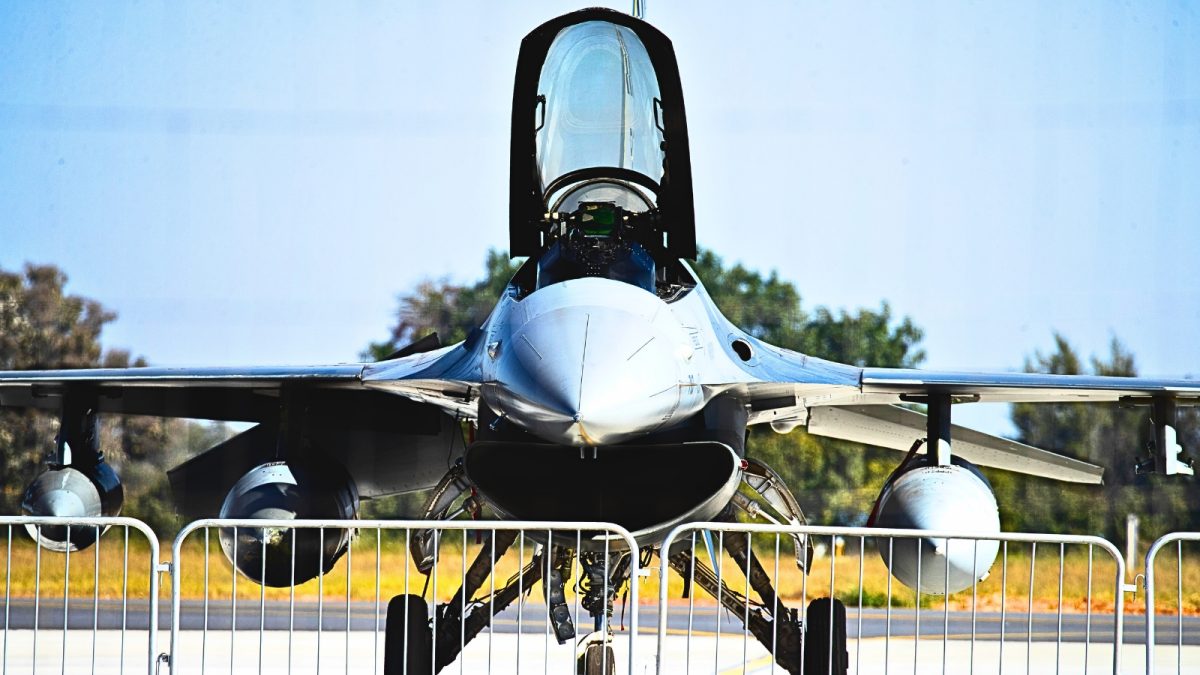
The United States military campaign against Iran, known as Operation Epic Fury, has cost it an estimated $3.7 billion in its first 100 hours, according to a new analysis and report by the Centre for Strategic and International Studies (CSIS). That works out to roughly $891 million per day, with the bulk of that spending not accounted for in any existing budget.
The operation entered its seventh day on March 6, and both President Donald Trump and War Secretary Pete Hegseth have said that the current offensive could continue for weeks.
What’s The Cost Borne By American Taxpayers?
Of the $3.7 billion spent in the first 100 hours, only about $196 million falls under routine operational costs already covered in the defence budget. The remaining $3.5 billion, driven almost entirely by the cost of replacing used weapons, is unbudgeted spending that will require new funding from Congress.
CSIS broke the costs into three areas.
Air and naval operations accounted for roughly $196 million in the first 100 hours. Over 200 fighter aircraft are taking part in the campaign, including stealth jets like the F-35 and F-22 as well as carrier-based fighters. Two U.S. Navy aircraft carriers, 14 destroyers, and three littoral combat ships are currently deployed across the Arabian Sea, the Persian Gulf, and the eastern Mediterranean.
The single largest cost category is weapons replacement, which is estimated at $3.1 billion. American forces struck nearly 2,000 targets with more than 2,000 munitions in under 100 hours, according to US Central Command (CENTCOM). The campaign opened with waves of Tomahawk cruise missiles, each costing $3.6 million, targeting Iranian air defences and command infrastructure. Precision Strike Missiles (PrSM) and ATACMS rockets fired from HIMARS launchers were also used, withCSISnoting the PrSM saw combat for the first time.
The good news for costs is that the US military is already shifting to cheaper weapons. As Iranian air defences have been degraded and coalition forces establish air superiority over growing parts of the region, fighter jets can now fly closer to targets and drop GPS-guided bombs that cost a measly $80,000 each, compared to millions for a cruise missile. Non-stealth bombers like the B-1 and B-52 have also begun flying missions from the continental United States, having been denied the use of allied airbases for operational use against Iran. This transition seeks to bring the costs of daily munitions down by a significant margin.
On the defensive side, Iran has launched around 500 ballistic missiles and 2,000 drones since the operation began. Shooting them down is expensive.CSISestimates the US spent between $1.2 billion and $3.7 billion on air defence interceptors alone in the first 100 hours, with the analysis settling on a midpoint of $1.7 billion. Regional allies, including Qatar, Bahrain, Kuwait, and the UAE have intercepted hundreds of Iranian drones and missiles themselves, reducing some of the burden on U.S. forces.
Equipment losses have added another $359 million to the tab. Three USAF F-15EX fighter jets were destroyed in a friendly-fire incident over Kuwait, costing $103 million each. Damage to port and base facilities in Kuwait and Qatar add an estimated $50 million in repair costs.
Source: World News in news18.com, World Latest News, World News
