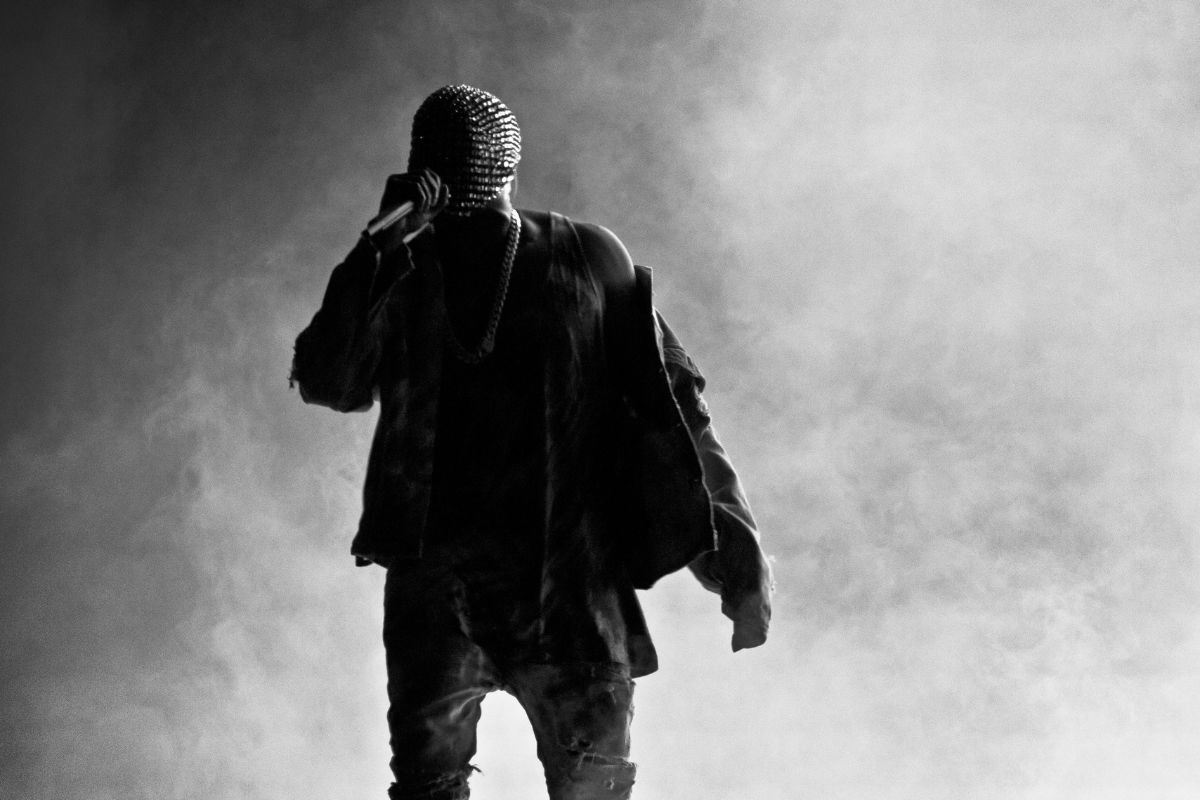
A 2004 music video by Kanye West is circulating widely again, not because of its original satire, but because modern audiences are watching it through a very different lens.
Released during The College Dropout era, The New Workout Plan was initially understood as a loud, exaggerated parody of consumerism, celebrity culture and beauty standards. At the time, its visual chaos felt intentional, even disposable. Two decades later, that same clutter is being scrutinised frame by frame, fuelled by renewed public attention on the Epstein scandal and broader questions about power within elite social circles.
Public interest in theEpstein scandal has resurfaced repeatedly as court filings and documentreleases continue to circulate online. While many names appear in those records without any allegation of wrongdoing, the lack of full transparency has left space for suspicion to grow.
Kanye West tried to warn us 15 years ago Back then it just felt like shock value - loud, messy, uncomfortable on purpose. But looking back, it reads more like someone side- eyeing the room and saying exactly what nobody wanted said. Power, ego, fame, and the idea that the real monsters aren't hiding in the dark, they're already invited to the party. The video is from Kanye West's Monster, set inside a warped funhouse where everything feels artificial and aggressive. Models are dragged across the floor, the energy is hostile, and in the background sits a "Baller Party" filled with cardboard cutouts of powerful public figures, frozen like props. The whole thing feels less like a flex and more like a warning disguised as excess - fame turned grotesque, on purpose, so you couldn't ignore it.
Some viewers claim certain background visuals resemble references to powerful public figures. Others point to brief, easily overlooked moments involving children or authority figures. None of these interpretations have been verified, and the footage itself is often re-edited or slowed down to support specific narratives.
Media scholars familiar with early-2000s music television note that celebrity imagery was frequently used as shorthand rather than accusation. Recognisable faces functioned as symbols of wealth, aspiration or excess, not as coded indictments of future criminal conduct.
Images ofDonald Trump, Bill Gates, Sean 'Diddy' Combs and Jay-Zare clearly visible in the music video, displayed prominently above a staged sequence in which children are moved toward the side of the set. While the presence of these figures is not in dispute, interpretations of what the imagery is meant to convey rely heavily on hindsight shaped by later scandals.
Speculation intensified further as online discussions began linking the video to the Diddy scandal, which involves civil lawsuits andongoing federal investigations concerning Sean 'Diddy' Combs.
The connection, however, is largely thematic rather than factual. Commentators argue that the entertainment industry has long protected powerful figures, but no evidence ties West's 2004 video to current allegations. The overlap reflects frustration with celebrity accountability rather than a documented relationship between the works and the cases.
A second clip frequently shared alongside the video shows West speaking on The Ellen DeGeneres Show, where he discusses Michael Jackson and the pressures exerted by media institutions.
Source: International Business Times UK
