Authored by Matthew Andersson via AmericanThinker.com,
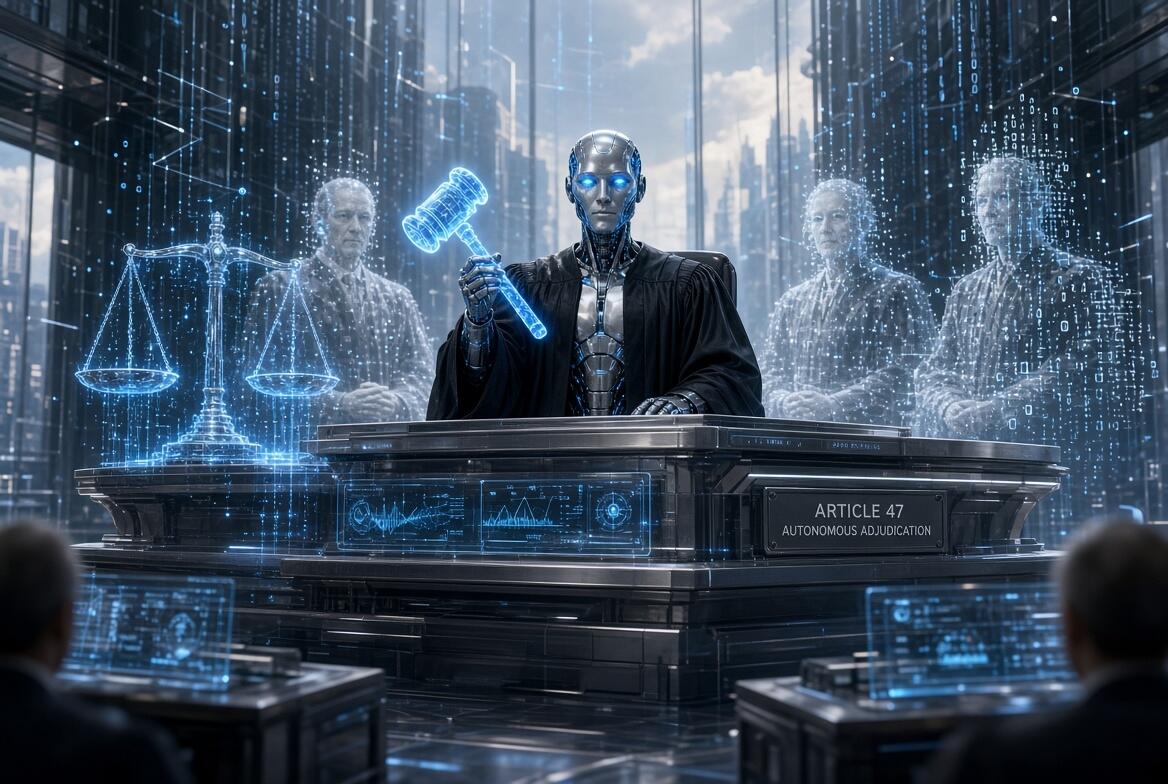
There is growing interest in whether an “ai” or, artificial intelligence judge can make better rulings than a human one.
This is understandable as many legal decisions are either wrong or flawed in some critical way.
Partisan politics and “lawfare" also continue to corrupt the legal system to a degree that has undermined its fundamental credibility, including public trust.
No one knows better than President Trump who was maliciously prosecuted as a civilian.
Down in the trial courts where legal arguments start, many of the facts of a case get ignored by the court, or never get a fair hearing because they are denied on technical grounds, or from favoritism, or corruption.
Critical facts are also not discovered or recognized due to human error, or lack of relevant subject competence.
When a case then gets bumped up to an appeal, the appellate courts are even more removed from facts. They may reverse on procedural mistakes, or if a particular statute or law was thought to be seriously misinterpreted, but appellate courts are notorious for affirming lower court rulings because sending a case back to the trial court implicates their judicial colleagues and hurts their record.
In law school, the judges, moreover, were originally trained almost entirely by reference to these abstract appellate cases, and usually don’t get their hands dirty on the nitty gritty of trial court facts. READ MORE AT SOURCE »
« Back to The Culture War