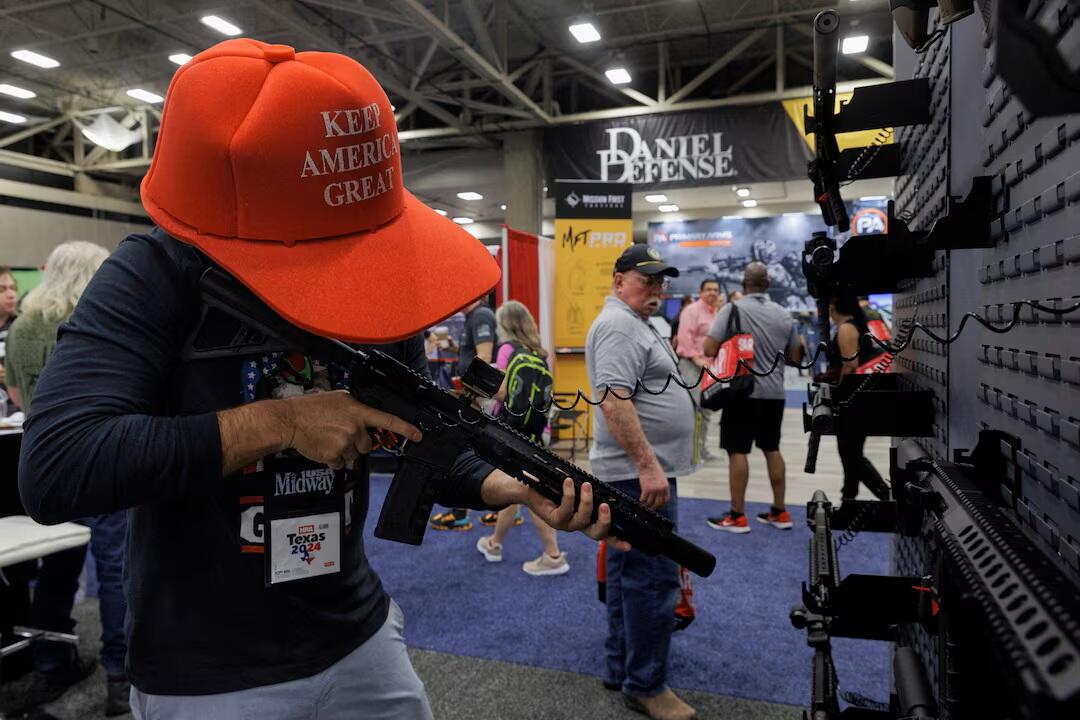
Why do Americans protected by the 2nd Amendment still need to get permission and approval from the ATF to have a rifle with a barrel under 16 inches, or a particular brand of stock, or a suppressor that, in most cases, doesn't silence a firearm at all but simply makes shooting it easier on a person's hearing? Why, for 92 years, have citizens had to pay for a tax stamp and send their fingerprints to the government for guns that should be considered a constitutional right?
This is largely due to the National Firearms Act of 1934, passed under the highly overrated Franklin D. Roosevelt Administration. The law became a permanent annoyance to every gun owner in the US and a lucrative revenue stream for federal agencies; at least, until now.
Finally, after nearly a century, the law is being erased. But how?
The legality of the NFA relies heavily on the existence of a $200 tax stamp. The government did not ban covered items outright in order to avoid a clash with 2nd Amendment protections. Instead, they added a tax to various firearms and related accessories, then made the processing of the tax and approval on the purchases an arduous affair. Until the Trump Administration stepped in, NFA approval on any particular item could take up to a year.
This clunky process was deliberately designed to dissuade citizens from purchasing certain firearms and attachments. For people suspicious of government lists, the fingerprinting and applications made them not want to bother. Possession of any of the items covered under the NFA is considered a serious federal crime with a penalty of up to 10 years in prison.
However, when Congress passed