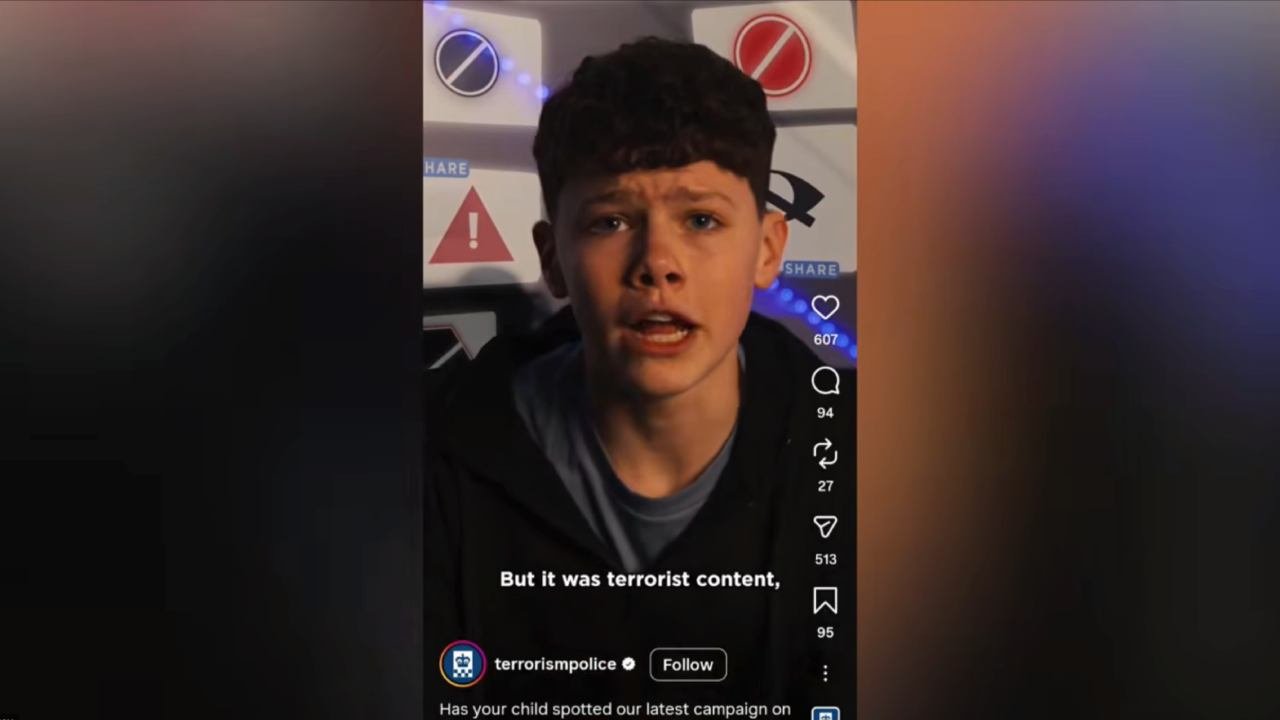
This move, part of the broaderPreventanti-radicalization strategy, underscores the UK regime’s push to police online activity among youth, framing it as a gateway to extremism while ignoring surging real-world dangers from mass migration.
In the ad, a teen laments: “I just got all my device taken away by the police… My mom couldn’t believe it. I might get a criminal record and not be able to go to college.” He then explains: “I only shared a link. I just thought it was funny, but it was terrorist content.”
Counter Terrorism Policing describes itself as “a collaboration of UK police forces working with the UK intelligence community to help protect the public and our national security by preventing, deterring, and investigating terrorist activity.”
A recentacademic analysis in the Journal of Policing, Intelligence and Counter Terrorism highlights the escalating involvement of family courts andPreventin childhood radicalization cases, noting “the number of children referred to Prevent and Channel due to concerns that they might be at risk of, or from, radicalisation has been steadily increasing since 2015.”
It adds that professionals like teachers are “legally obligated to refer that child to the police under the auspices ofPrevent” if suspecting risk.
Government guidance onPreventduty in schools urges communication with parents to spot signs, but also empowers referrals if family members show vulnerability. As one factsheet states, referrals can come from “a family member, friend, colleague, or a professional.”
Lovely. Turning in your own family members to the authorities for wrongthink. Where have we heard that before?
This monstrosity echoes the “Pathways” video game we previously exposed, funded by the Home Office, where teens are warned they’ll be referred to the samePreventanti-terror experts for researching immigration stats or protesting cultural shifts.
In that game, engaging with videos on “Muslim men stealing places of British veterans” ramps up an extremism meter, labeling such concerns as ties to “illegal” groups.
It’s also part of a broader curriculum overhaul, where the Labour government embeds “critical thinking” to spot “extremist content and misinformation”—code for aligning with establishment views on open borders and globalism. Kids analyse articles to “differentiate fabricated stories from true reporting,” but only through a lens that deems migration critiques as “fake news.”
Source: modernity
