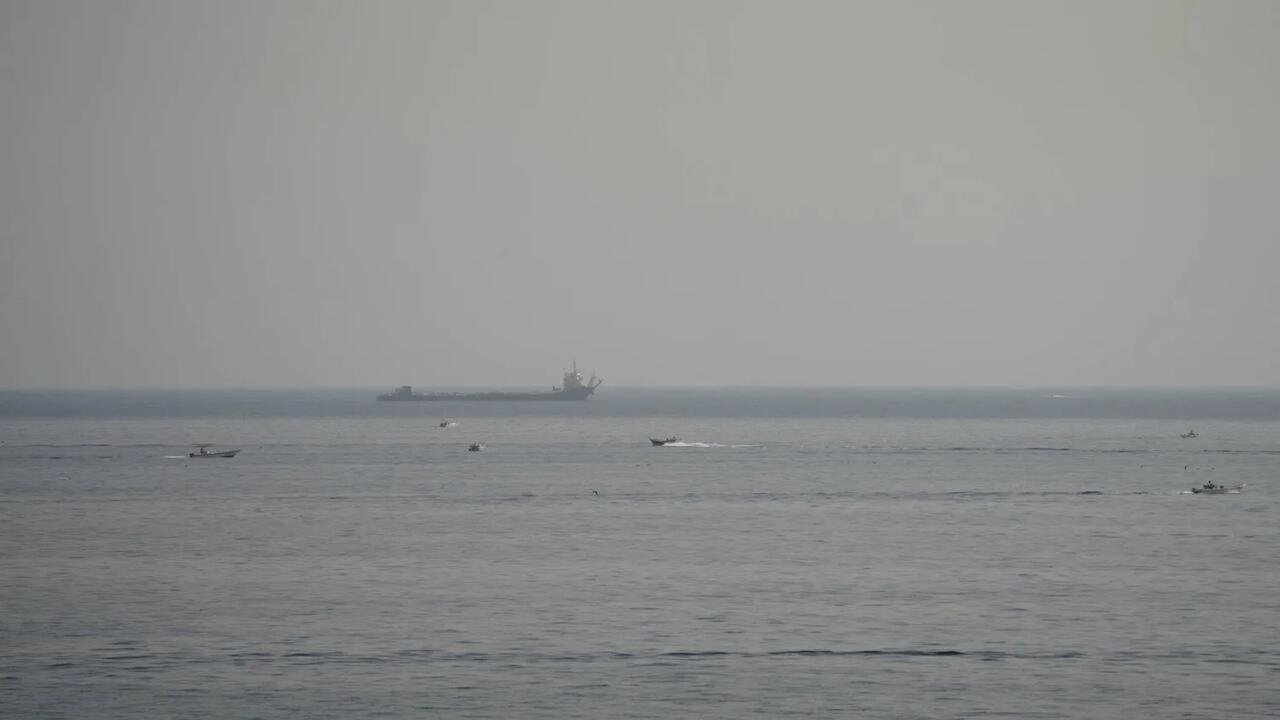
At first, the Hormuz lockdown was supposed to last a few weeks, tops. Not any more: the US now expects oil supply disruptions stemming from the US-Iran war to reach about 600,000 barrels per day through the end of next year as the conflict continues to crimp shipments via the critical Strait of Hormuz.
Oil transported through the waterway averaged 4.9 million barrels per day in the second quarter of this year, according to estimates from the US Energy Information Administration’s Short-Term Energy Outlook. That compares to an average of 21.6 million in the last quarter of 2025, before the US and Israel launched attacks on Iran.
The figures indicate that a brief intermission in fighting, when a so-called memorandum of understanding was signed, did little to blunt the impact of one of the worst disruptions to global energy markets in history. A deal between Iran and Oman to reopen the strait remains elusive, though officials indicate talks are progressing.
"The ongoing closure of the Strait of Hormuz and elevated fuel prices continue to weigh on oil consumption," the Paris-based IEA said.
As the conflict extends into a sixth month, consumers around the world are once again facing the prospect of higher fuel prices and inflation. The EIA hiked gasoline and diesel price forecasts for 2026 by 3.7% and 5.4% respectively and increased its 2027 forecast for retail gasoline prices by 6.5% from its estimates a month earlier.
The volume of oil moving through the Strait of Hormuz remains difficult to pin down in real time, as vessels going dark obscure shipping activity, leading to discrepancies in estimates among market participants. About 9 million barr