This post was published byJon Fleetwood.Support him by subscribing atSubstackand following atInstagram/X/Facebook.
Last month, Congress introduced legislation that would impose a nationwide ban on geoengineering and atmospheric weather modification, criminalizing activities such as aerosol spraying, cloud seeding, solar radiation management, and other atmospheric interventions designed to alter weather or climate conditions.
The bill,H.R. 7452, titled theAir Quality Act, was introduced February 9 byU.S. Representative Greg Steube (R-FL)and referred to the House Committees on Energy and Commerce, Transportation and Infrastructure, and Science, Space, and Technology.
You canfind your Representative hereand voice your support for the bill.
If enacted, the legislation would prohibit the injection, release, emission, or dispersal of chemical or biological substances into the atmosphere to alter atmospheric behavior, weather, climate, or sunlight intensity, establishing criminal penalties for individuals or organizations involved in such activities.
The bill states: “Whoever… knowingly authorizes or conducts weather modification in the United States shall be subject to the penalties described.”
Violators could face criminal fines of up to $100,000 per violation, imprisonment for up to five years, or both, along with civil penalties of up to $10,000 imposed by federal regulators.
The legislation also specifies that each individual injection, release, emission, or dispersal would constitute a separate violation, potentially multiplying penalties for repeated operations.
If enacted, the legislation would take effect 90 days after passage, triggering the nationwide prohibition on geoengineering and atmospheric weather modification activities.
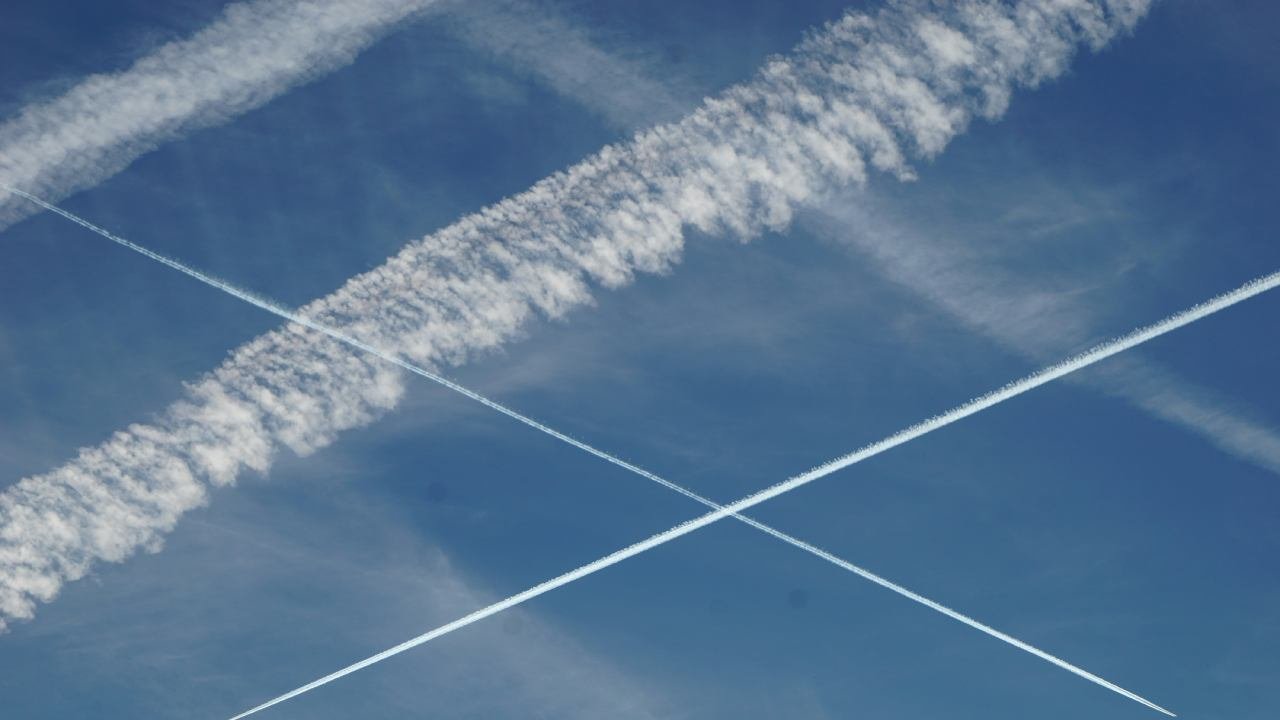
However, because the statute applies only to activities conducted “knowingly” as weather modification, enforcement would require proving that the atmospheric release was carried out as a weather-altering program—leaving unresolved how the law would apply to metal nanoparticle- and sulfur-laced aircraft emissions that federal aviation and atmospheric agencies acknowledge can linger, spread, and form cloud cover that affects sunlight (more on this below).
Source: modernity
