India has dismissed what it called Pakistan’s “ironic" outrage over New Delhi’s landmark uranium agreement with Ottawa.
The Centre called out Pakistan’s “hypocritical" condemnation, stressing that Islamabad’s own history of “illicit" nuclear proliferation makes its concerns about regional stability entirely hollow.
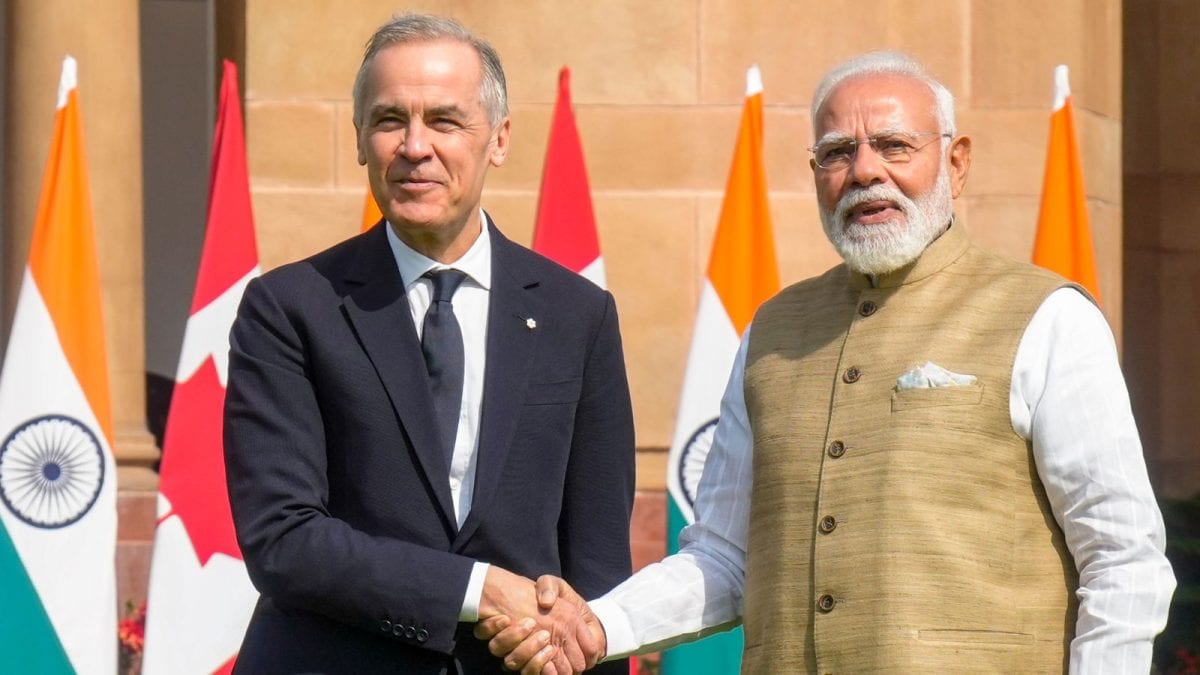
The two nuclear-armed neighbours traded barbs over safety protocols and international law, following the conclusion of a long-term uranium supply agreement between Canada and India. The deal also includes potential cooperation on small modular reactors and advanced reactor technologies.
Pakistan’s ministry of foreign affairs (MOFA) was quick to denounce the deal, with spokesperson Tahir Andrabi warning that the arrangement will “fuel an arms race" and allow India to “expand its nuclear arsenal".
Islamabad said the deal represents a “country-specific exception" that undermines the global non-proliferation regime. In a pointed reference to historical tensions, it noted the irony of the situation claiming that India’s 1974 nuclear test – using plutonium from a Canadian-supplied reactor – was the very event that “led directly to the establishment of the Nuclear Suppliers Group (NSG)".
According to Pakistan, a state that necessitated such global export controls is now being granted “preferential access".
Top Indian government security sources dismissed these allegations as a diversion from Pakistan’s own “track record" of nuclear misconduct.
The sources said the international community must remember the AQ Khan proliferation network, which witnessed the transfer of nuclear technology to “rogue states" including North Korea, Iran, and Libya. New Delhi characterised this network as “the single greatest threat to global non-proliferation in recent decades".
The Indian response underlined the double standards in Islamabad’s rhetoric. While Pakistan accuses India of failing to place all civilian facilities under International Atomic Energy Agency (IAEA) safeguards, Islamabad itself “refuses to place its own rapidly expanding nuclear arsenal under any meaningful international oversight", the sources said. The Indian side maintained that it is Pakistan that continues to produce fissile material outside of IAEA controls, thereby “fuelling an unchecked arms buildup in the region".
This latest diplomatic back-and-forth highlights the deeply entrenched geopolitical debate over nuclear equity and the balance of power in South Asia. India countered Pakistan’s narrative of “destabilisation" by pointing to Islamabad’s “continuous support for cross-border terrorism" and its “doctrine of nuclear first-use threats" as the primary drivers of insecurity in the region.
Source: World News in news18.com, World Latest News, World News
