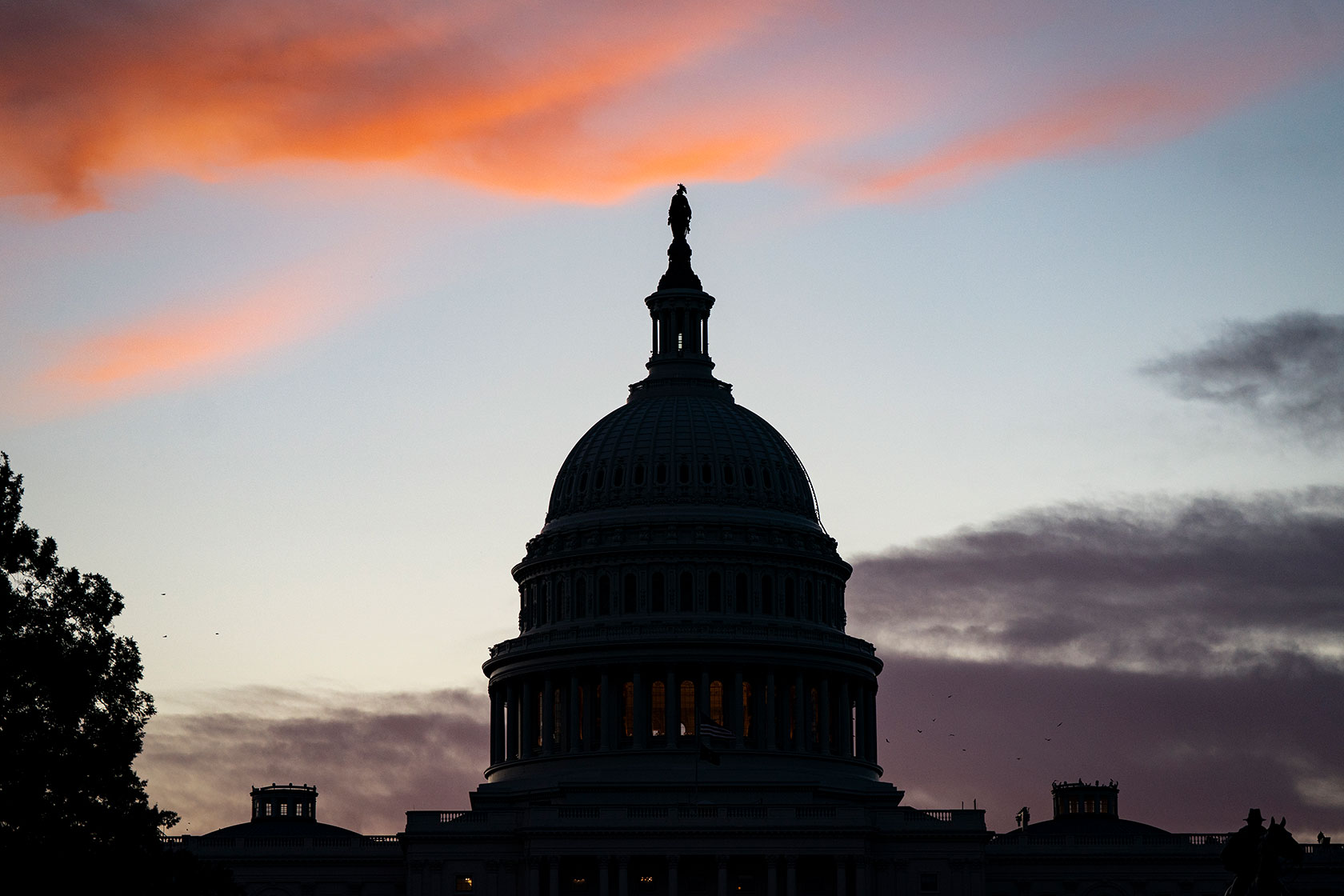
In the heart of America's fiscal meltdown, the "Big Beautiful Bill"—a sprawling $5.2 trillion omnibus package rammed through Congress just before Christmas 2025—has emerged as the villain du jour, with economists and lawmakers alike pinning skyrocketing inflation and a ballooning national debt squarely on its bloated excesses. What was sold as a bipartisan triumph to fund everything from border walls to green energy subsidies has instead fueled a 12% jump in consumer prices since January, hammering working families from coast to coast.
The bill's architects, including Senate Majority Leader Chuck Schumer and House Speaker Mike Johnson, hailed it at the time as a "big, beautiful compromise" echoing former President Trump's dealmaking rhetoric. Buried in its 4,000 pages were $800 billion for Ukraine and Middle East aid, $1.2 trillion in climate initiatives critics deride as corporate welfare for solar panel makers, and $500 billion earmarked for "equity programs" that funneled cash into DEI training across federal agencies and public schools. Now, as federal deficits hit $40 trillion, agencies from the IRS to the Department of Education face brutal cuts, sparking protests in blue-collar towns where promises of infrastructure upgrades remain unfulfilled.
Conservative firebrands like Rep. Marjorie Taylor Greene have led the charge, blasting the legislation on social media as "the swamp's ultimate grift," while even moderate Republicans such as Sen. Susan Collins admit it "went too far." Democrats, sensing voter backlash ahead of the 2026 midterms, are rewriting history: White House Press Secretary Karine Jean-Pierre insisted this week that the bill was "mostly Republican priorities," dodging questions about the $200 billion tucked away for Planned Parenthood expansions and migrant resettlement. Trump himself weighed in from Mar-a-Lago, calling it "the most disgusting bill I've ever seen—big, beautiful betrayal!"
Experts paint a grim picture of the fallout. Heritage Foundation analyst David Ditch warned that the bill's unchecked spending ignited a wage-price spiral, eroding the dollar's purchasing power and widening the cultural divide between coastal elites and heartland workers. In cities like Chicago and New York, where migrant influxes funded by the bill have strained shelters and schools, tensions boil over into street clashes emblematic of deeper rifts over identity and resources. Labor unions, once reliable Democratic allies, now decry the betrayal as factories shutter amid energy costs doubled by green mandates.
Looking ahead, the reckoning could reshape Washington. With bond markets jittery and credit rating agencies circling, pressure mounts for a special session to claw back unspent funds—a move fiscal hawks say could save $1 trillion but risks another shutdown. For culture warriors on the right, the "Big Beautiful Bill" symbolizes the perils of compromise with a radical left agenda, galvanizing calls for term limits and a return to fiscal sanity. As one Capitol Hill staffer put it off-record, "This monster bill didn't build bridges—it burned them all down."
