Iran has once again intensified its military operations in the Middle East, hitting Kurdish groups in Iraq while launching a fresh wave of attacks on Israel. The escalation marks a dangerous expansion of a conflict that has already claimed thousands of lives and rattled the region's stability. For the international community, understanding the dynamics of this confrontation is more urgent than ever.
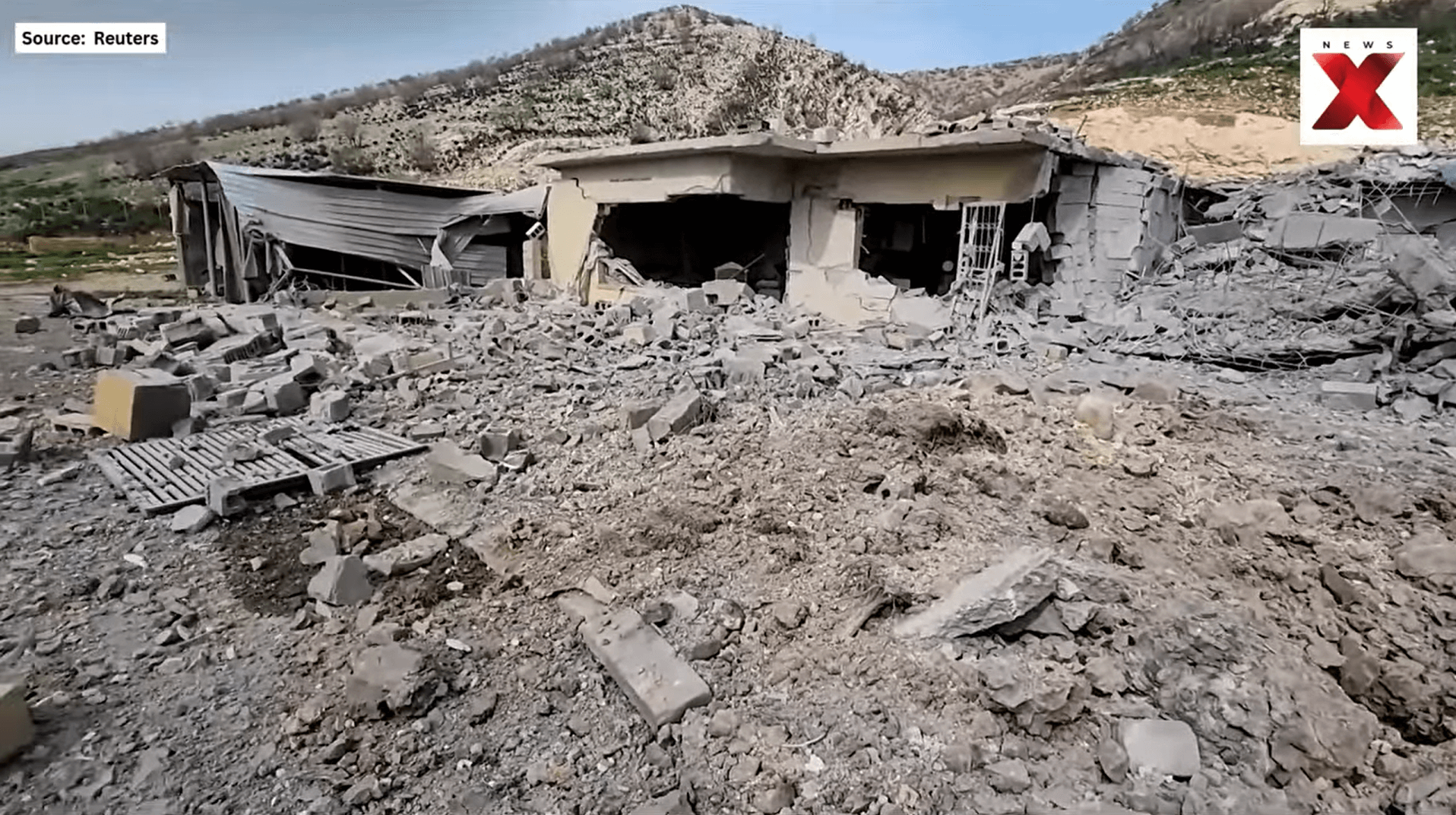
In recent days, Iranian forces have targeted the headquarters ofIranian Kurdish opposition groupsin Iraq's semi-autonomous Kurdistan region. The strikes, which included air raids and drone hits, reportedly hit the town of Dekala, leaving several buildings destroyed and fighters wounded.
Local sources confirmed that the attacks focused on the Kurdistan Toilers Association, or Komala, an armed group opposed to Tehran.
The operation reflects Tehran's determination to neutralize perceived threats along its western borders. Iranian authorities accused Kurdish armed groups of coordinating with the United States to mount attacks on Iranian soil.
By targeting these groups, Iran hopes to curb what it describes as a growing Israeli-American plot, using Kurdish fighters as proxies.
Eyewitnesses reported dramatic explosions in the night sky over Dekala, triggered bydrone strikes on the Kurdish headquarters. The devastation underscores the increasingly sophisticated nature of Iran's military campaigns.
Experts suggest that these drone strikes are part of a broader pattern of regional maneuvers, aimed at demonstrating Tehran's reach and deterring opposition forces from challenging its authority.
Although the Iraqi Kurdish regional government has denied involvement, the strikes have heightened tensions in northern Iraq. Kurdish authorities emphasized their commitment to protecting civilians and avoiding entanglement in the escalating Iran-Israel War, highlighting the fragile balance of power in the region.
While hitting Kurdish targets, Iran simultaneously launched its 19th consecutive wave ofmissile and drone attacks against Israeland US assets across the Middle East. Explosions were reported in multiple Iranian cities, including Tehran, Sanandaj, Saqqez, and Bukan.
The attacks have promptedair defense responses in Israeland other neighboring countries, reflecting the cross-border intensity of the conflict.
Source: International Business Times UK
