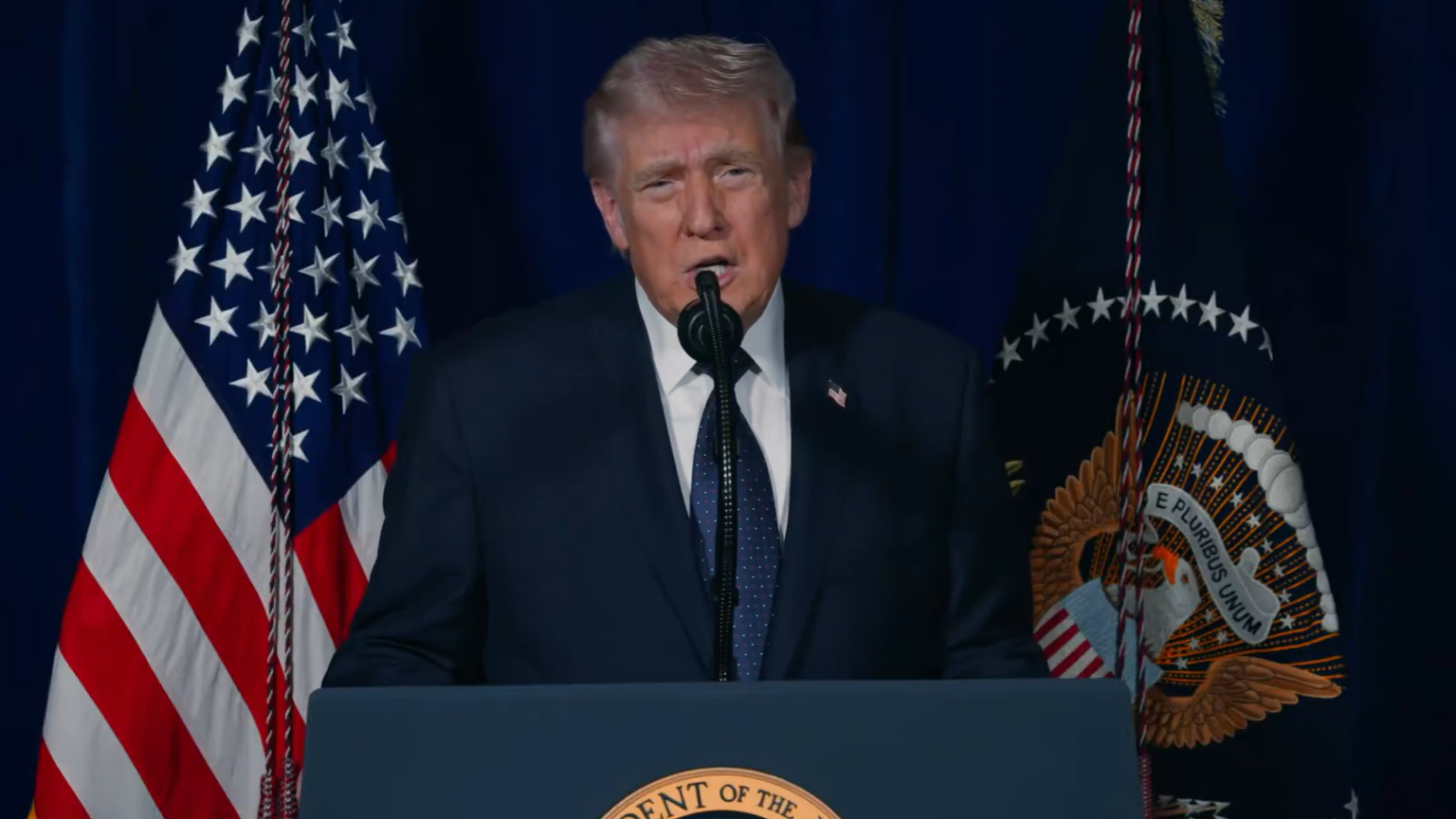
The US House of Representatives was expected Thursday to reject an effort to curbDonald Trump’sauthority to wage war against Iran, as the president faces fierce criticism over launching the conflict without seeking approval from Congress.
Lawmakers are due to vote on a bipartisan resolution led by Republican Thomas Massie and Democrat Ro Khanna that would require Trump to obtain congressional authorization before continuing military operations against Tehran.
But the measure is widely expected to fail, a day after the Senate rejected a similar effort, underscoring Congress’s limited appetite — particularly among Republicans — for confronting the White House in the early days of the conflict.
Even if it were to pass, Trump could veto it — a step that would require two-thirds majorities in both chambers to override, an almost impossible threshold in the current Congress.
The vote comes less than a week after the United States and Israel began a sweeping military campaign against Iran, targeting missile facilities, naval assets and other infrastructure.
The strikes have already killed senior Iranian leaders, including Supreme Leader Ayatollah Ali Khamenei, and triggered retaliatory attacks across the region.
The conflict has also claimed American lives: six US servicemembers have been killed in retaliatory strikes, including on a US base inKuwait, intensifying pressure on lawmakers to weigh in on a war that Congress has not explicitly authorized.
Democrats argue the administration has offered shifting explanations for the strikes and has failed to demonstrate that Iran posed an imminent threat requiring immediate military action.
“Donald Trump intentionally refused to get authorization from Congress for this war of choice, a war that has now exploded to more than 10 countries across the Middle East,” House Democratic Minority Leader Hakeem Jeffries said.
Under the Constitution, only Congress has the power to declare war. The 1973 War Powers Resolution — passed after the Vietnam War — was intended to prevent presidents from committing US forces to prolonged conflicts without congressional consent.
Source: Insider Paper
