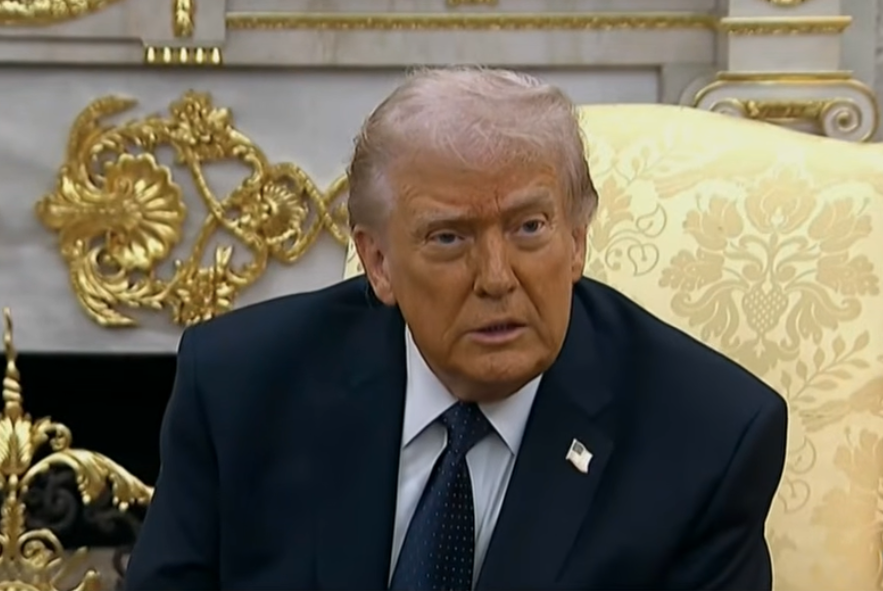
President Donald Trump ignited a firestorm in the financial sector on 3 March 2026, following a private White House meeting with Coinbase CEO Brian Armstrong.
Hours after the closed-door session, Trump issued a blistering ultimatum on Truth Social, accusing major banks of 'undermining' his crypto agenda and 'holding hostage' the CLARITY Act—a landmark market structure bill.
The President's intervention signals a decisive shift in Washington's power dynamic, placing the White House firmly behind the digital asset industry in its battle with Wall Street over the future of stablecoin yields.
The meeting comes as the Senate remains deadlocked over whether crypto platforms should be allowed to pay 'rewards' on stablecoins, a practice banks claim threatens trillions in traditional deposits. A spokesperson for Coinbase declined to comment. The White House did not immediately respond to a request for comment.
At the centre of the dispute is sweeping legislation on the structure of the crypto market pending in the Senate. The bill would establish new rules governing how market regulators oversee digital tokens. For years, digital asset firms have pushed for what they describe as regulatory clarity, arguing that clearer rules would allow the United States to remain competitive in a fast-growing global industry.
Banks see the matter differently, particularly when it comes to stablecoins.
Stablecoins are digital tokens designed to maintain a steady value, typically pegged to one US dollar. The current fight focuses on whether crypto exchanges such as Coinbase should be allowed to offer rewards programmes that pay customers an annual percentage yield for holding stablecoins.
Wall Street groups warn that allowing yield-like payments on stablecoins could encourage customers to move deposits out of traditional bank accounts. Banks argue that such a shift could weaken lending capacity, which plays a critical role in the broader economy. As a result, they are pushing to ban stablecoin yield payments under the legislation.
Crypto firms have resisted those efforts. The disagreement has helped derail progress on the bill.
Coinbase, the largest US-based crypto exchange, has played a central role in the debate. On the eve of a scheduled Senate Banking Committee markup in January, Armstrong criticised a draft of the bill, warning against proposed amendments that would 'kill rewards on stablecoins, allowing banks to ban their competition'. The markup was later postponed, and the legislation has remained stalled.
Source: International Business Times UK
