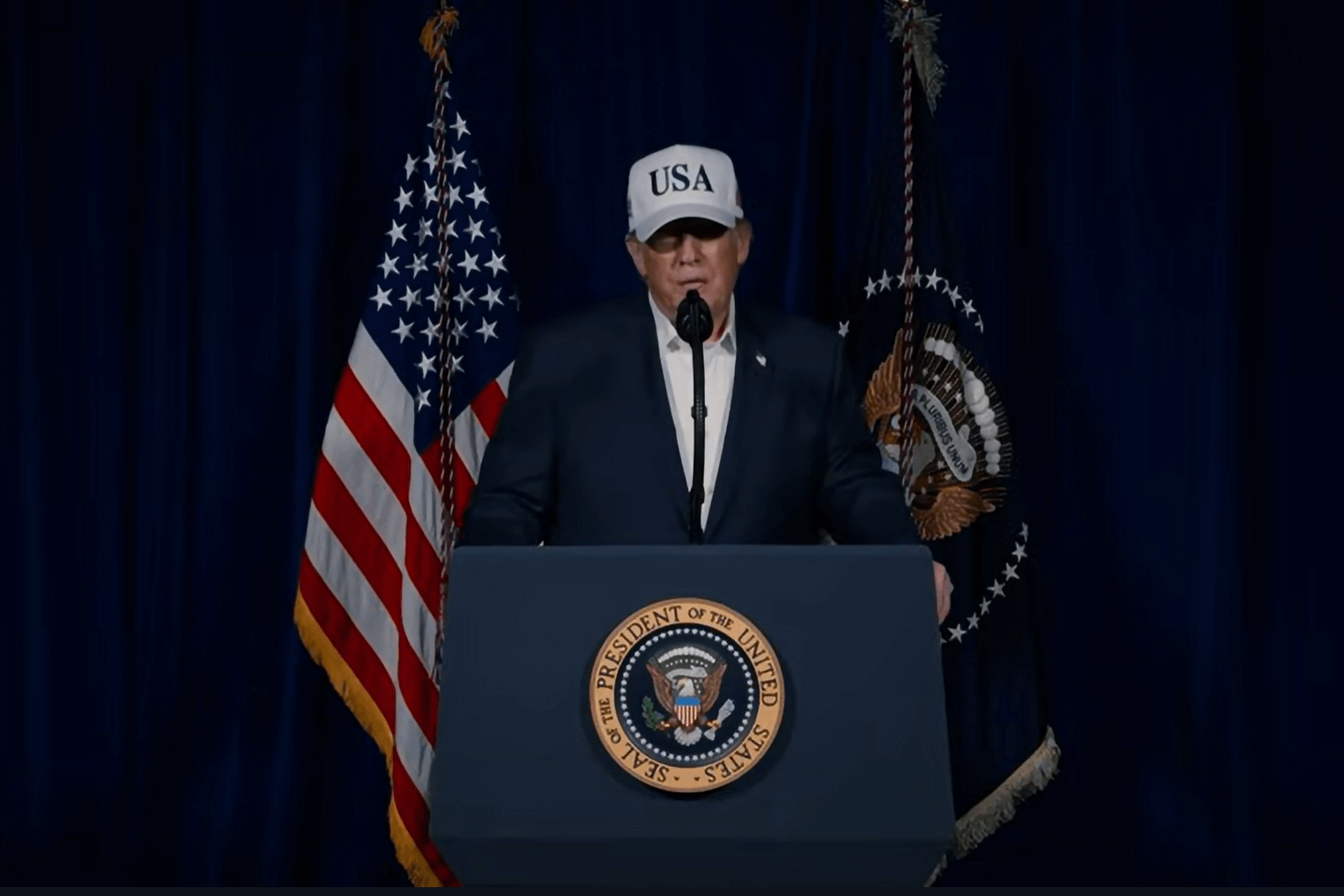
The US Senate has once again shown its sharp political divides, rejecting a key measure that would have limitedDonald Trump's war powers on Iran. In a tense vote that captured global attention, lawmakers narrowly turned down the resolution, leaving the president with broad authority to conduct military operations without fresh congressional approval.
For those watching from outside the United States, the decision sends a strong signal about Washington's current approach to international conflict and the balance of power between the executive and legislative branches.
TheUS Senatevote fails to constrain the president's authority by a slim margin, reflecting deep partisan divides. Supporters of the resolution argued that Congress must reclaim its constitutional role in authorizing military action, especially given the high stakes in the Middle East.
Opponents, largely aligned with Donald Trump's position, warned that restricting the president's options could hamper national security and send the wrong message to adversaries like Iran.
In the end, the measure fell short, with key swing senators tipping the balance in favor of maintaining the president's war powers. The vote highlights a broader debate about oversight, accountability, and the urgency of responding to international crises swiftly.
Iran watchersaround the world are closely monitoring the situation, as the failed resolution effectively allows the Trump administration to pursue military strategies without needing to return to Congress for approval.
While the president has publicly stated that diplomacy remains a priority, critics argue that having such expansive authority makes the risk of sudden military action far more real.
The stakes are high, not just for Washington, but for global stability. Any escalation in the Persian Gulf or nearby regions could impact oil markets, regional security, and international alliances.
By rejecting limitations on war powers, the US Senate has reinforced the notion that, at least for now, Trump can respond to threats or opportunities as he sees fit.
Domestically, the vote has sparked heated debates over the role of Congress in national security. Many lawmakers who supported the resolution emphasized that unchecked presidential authority risks overreach, potentially drawing the United States into conflicts without adequate debate.
Source: International Business Times UK
