Israel’s military campaign against Iran is expected to enter a second phase that will focus on destroying ballistic missile facilities buried deep underground, according to sources speaking to Reuters that are familiar with the operation.
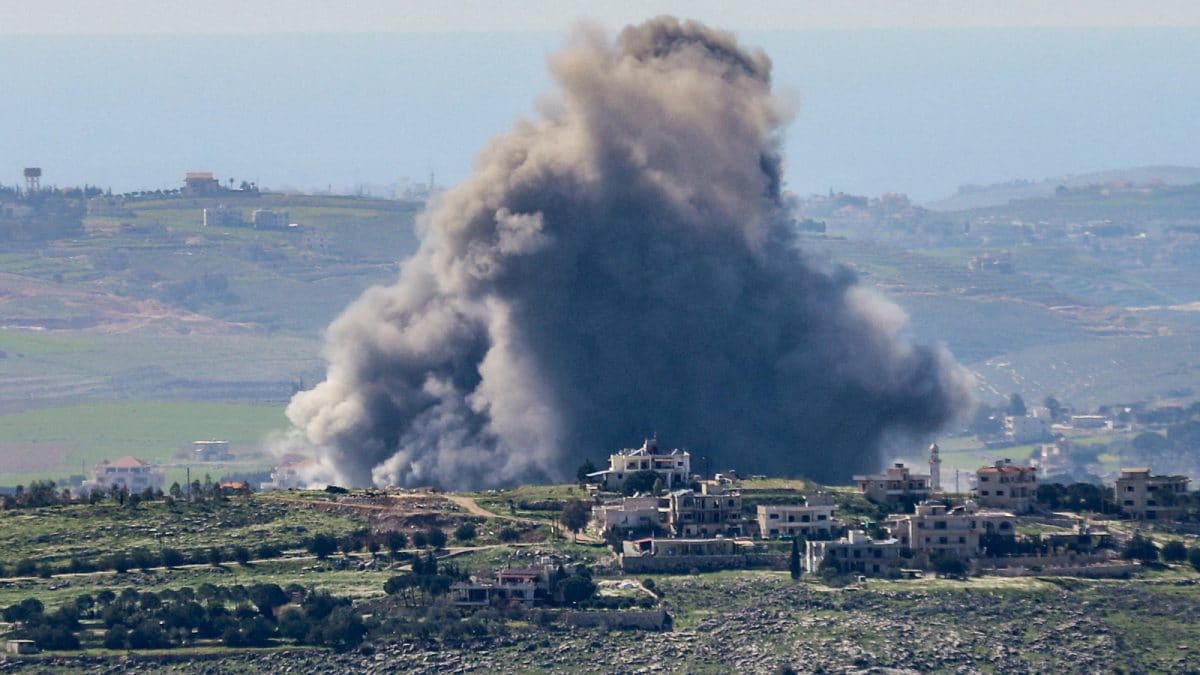
The escalation comes as the joint military campaign involving Israel and the United States approaches the end of its first week. The conflict began with strikes that reportedly killed senior Iranian leaders and triggered a broader regional confrontation, with Iranian missile attacks reported in Israel, the Gulf region and Iraq, alongside Israeli strikes in Lebanon.
Israeli officials say hundreds of Iranian missile launchers located above ground have already been targeted during the initial phase of the campaign. The next stage of the operation is expected to focus on bunkers and underground facilities believed to store ballistic missiles and related equipment.
One source said Israel’s goal is to neutralise Iran’s ability to carry out aerial attacks on Israeli territory by the end of the conflict, which is also aimed at weakening the leadership of the Islamic Republic. A military spokesperson did not immediately respond to requests for comment on the reported plans.
The Israeli military has previously stated that its forces, together with the US military, gained control of large portions of Iranian airspace during the early days of the operation.
In a statement released on Thursday, the Israeli military said its Air Force struck an underground infrastructure site overnight that was being used to store ballistic missiles, as well as storage facilities for missiles intended to target aircraft.
Public statements from the military since the beginning of the joint U.S.-Israeli strikes last weekend had not previously confirmed attacks on underground missile facilities.
Estimates of Iran’s missile arsenal vary widely. Israel’s military previously estimated Iran possessed around 2,500 missiles before the conflict, while some analysts have suggested the figure could be closer to 6,000. The size of Iran’s remaining stockpile could play a crucial role in shaping the course of the conflict, as Tehran continues missile attacks against Israel and targets across the region.
Douglas Barrie of the International Institute for Strategic Studies said the organisation believes Iran still possesses some land-attack cruise missiles, precision-guided weapons capable of flying at low altitudes to evade radar systems.
Meanwhile, Israeli fighter jets have been carrying out near-continuous air sorties since the start of the campaign. The pace of operations intensified after the Iran-backed militant group Hezbollah launched rockets toward Israel, prompting heavy Israeli airstrikes extending as far north as Beirut.
Source: World News in news18.com, World Latest News, World News
