Scan the QR code to download the News18 app and enjoy a seamless news experience anytime, anywhere.
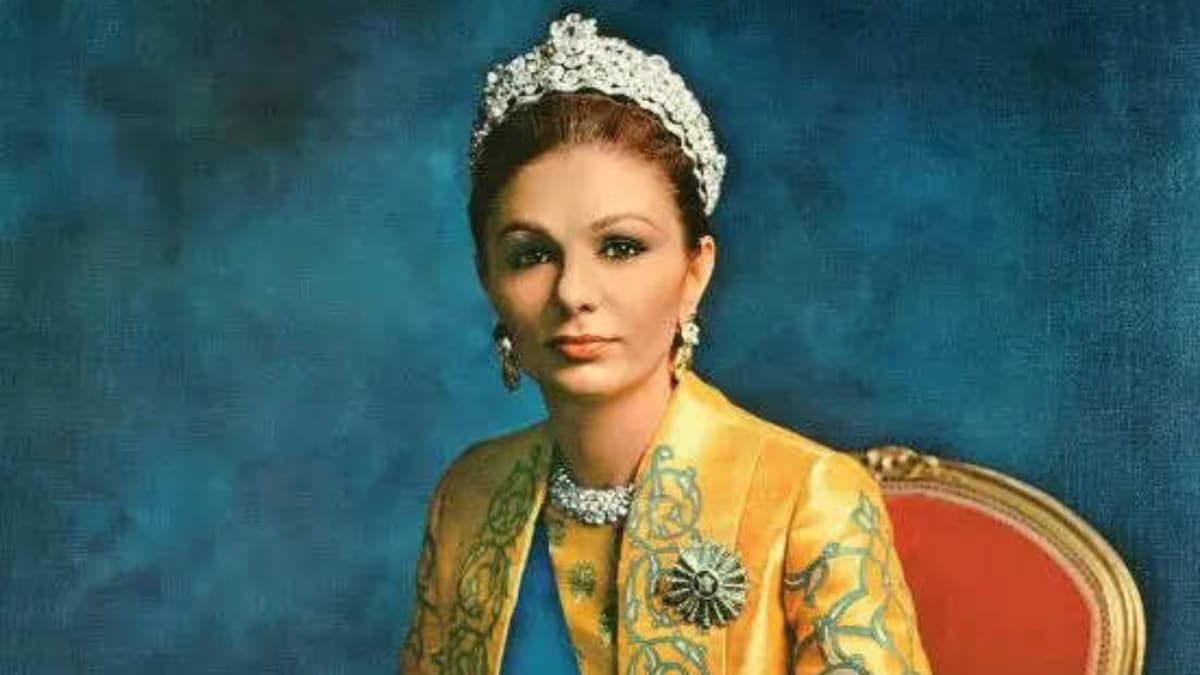
As Empress, Farah Pahlavi took on a public role far beyond ceremonial duties. She championed arts, culture and education, helping establish institutions such as museums, libraries and schools. Her patronage extended to supporting Iranian artists and intellectuals, earning her admiration among many Iranians who saw her as a bridge between tradition and modernity. (Image: Farah Pahlavi)Farah was not just a figurehead. She actively promoted healthcare, women’s rights and social welfare programmes. Under her influence, initiatives aimed at improving literacy, expanding access to education and enhancing public health gained momentum. Her advocacy reflected a vision of a more inclusive and modern society, while still respecting Iran’s cultural heritage. (Image: Farah Pahlavi)The 1979 Islamic Revolution upended Iran’s monarchy and forced the Pahlavi family into exile. Farah’s tenure as Empress ended abruptly as political upheaval swept the country. Leaving behind her homeland, titles and status, she became a widow in exile after the Shah’s death in 1980, a transition that marked a painful new chapter in her life. (Image: Farah Pahlavi)In exile, Farah Pahlavi continued her cultural and philanthropic work, travelling extensively and supporting educational causes. She maintained her commitment to preserving Iranian history and art, writing memoirs and engaging with global audiences. Even outside Iran, she remained a symbolic figure for many who remember the Pahlavi era’s cultural investments.(Image: Getty)Farah Pahlavi’s legacy is complex and enduring. As Iran’s only Empress, she shaped cultural life and championed social progress. To many Iranians inside and outside the country, she is remembered not just as royalty but as a figure who balanced dignity with advocacy. Her journey from palace life to exile highlight both personal resilience and historical change. (Image: Farah Pahlavi)
Download App NowStay Ahead, Read FasterEnjoy uninterrupted reading? Unlock the full story, distraction-freeScan the QR code to download the News18 app and enjoy a seamless news experience anytime, anywhere.ORlogin
Stay Ahead, Read FasterEnjoy uninterrupted reading? Unlock the full story, distraction-freeScan the QR code to download the News18 app and enjoy a seamless news experience anytime, anywhere.ORlogin
Stay Ahead, Read FasterEnjoy uninterrupted reading? Unlock the full story, distraction-freeScan the QR code to download the News18 app and enjoy a seamless news experience anytime, anywhere.
1/7Born Farah Diba in 1938 in Tehran, she was educated in Iran and abroad, notable for her intelligence and cultural interests. After meeting Shah Mohammad Reza Pahlavi in the early 1950s, she married him in 1959. Her elevation to Empress was unprecedented — she became Iran’s first and only official Shahbanu, a role that would shape her life and legacy. (Image: Getty)
Born Farah Diba in 1938 in Tehran, she was educated in Iran and abroad, notable for her intelligence and cultural interests. After meeting Shah Mohammad Reza Pahlavi in the early 1950s, she married him in 1959. Her elevation to Empress was unprecedented — she became Iran’s first and only official Shahbanu, a role that would shape her life and legacy. (Image: Getty)
NewsPhotogalleryworldFrom An Empress To A Widow In Exile, How Farah Pahlavi Became 'Mother Of Iran' And The Country's Only Shahbanou
From An Empress To A Widow In Exile, How Farah Pahlavi Became 'Mother Of Iran' And The Country's Only Shahbanou
Source: World News in news18.com, World Latest News, World News
