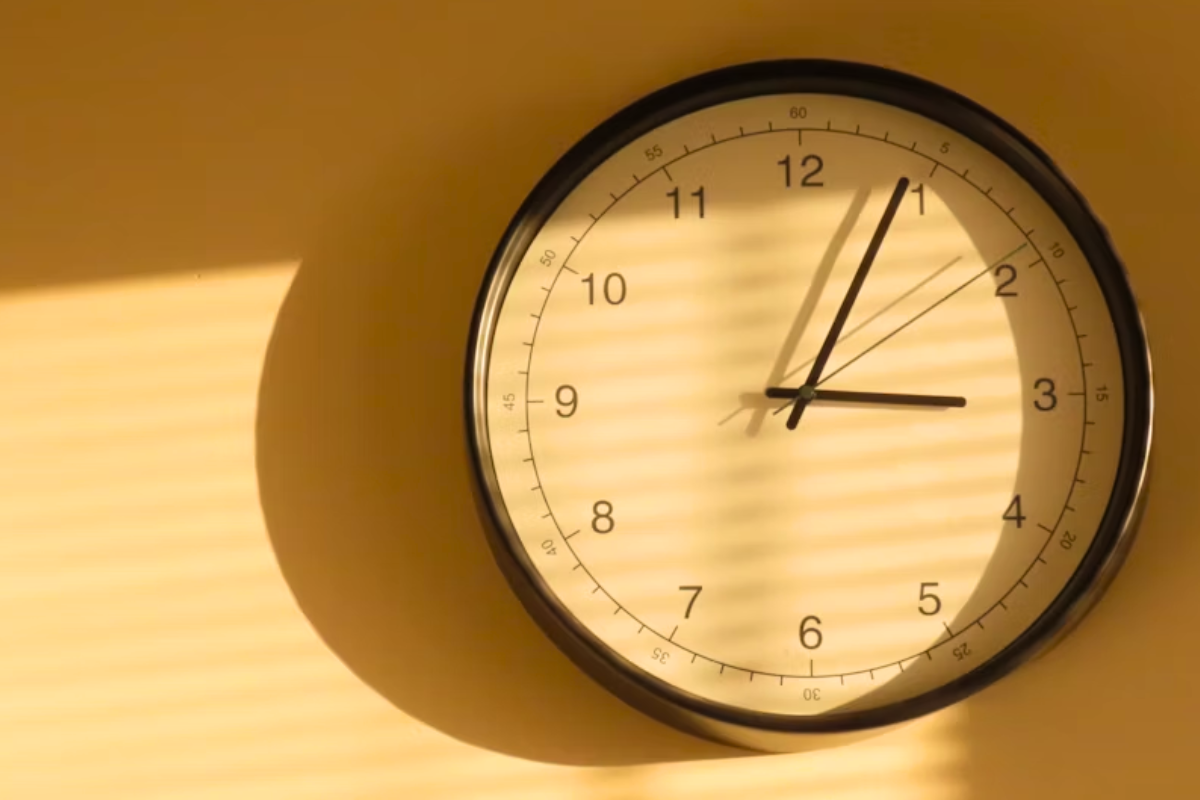
At 2:00 a.m. on Sunday, 8 March, Americans willlose one hour of sleep. Health experts say that a single hour can do real damage.
'The spring time change leads to society-widesleep deprivation,' Jennifer Martin, former president of the American Academy of Sleep Medicine, told Time Magazine. That deprivation, researchers say, shows up in emergency rooms and on highways within days of clocks springing forward.
This year's transition falls on the earliest possible calendar date. Because 1 March lands on a Sunday, the second Sunday arrives just seven days later. Bodies have less time to recover from winter's shorter days before the shift hits.
The lost hour carries consequences that go beyond grogginess.
A Michigan hospital study cited by the American Heart Association found that heart attacks jump 24% on the Monday after clocks spring forward. Finnish researchers reported an 8% rise in ischemic strokes during the first two days following the switch. Severe heart attacks already peak on Mondays compared to other weekdays. Circadian disruption makes that Monday morning riskier.
'We don't really know exactly why there is an increase in heart attacks and strokes during the change to daylight saving time,' said Dr. Art Coffey, chief medical officer with ProHealth Care. 'It's likely connected with the disruption to the body's internal clock, or its circadian rhythm.'
Dr. Darien Sutton, ABC News medical correspondent, put it bluntly on Good Morning America: 'Small changes in sleep, even small decreases, can detrimentally affect your health, increasing stress hormones. That increases our risk of heart attacks and strokes, principally among women and older adults in the first two days after this shift change.'
More than one in three American adults already fail to get recommended sleep for heart health, according to the AHA.
The danger follows people into their cars.
AUniversity of Colorado Boulder studypublished in Current Biology analysed more than 732,000 fatal crashes from 1996 to 2017. Researchers found a 6% spike in deadly accidents during the week after DST begins, roughly 28 additional deaths each year. For drivers living on the western edges of their time zones, where the sun rises and sets later, the increase reached 8%.
Source: International Business Times UK
