By Bas van Geffen, Senior Macro Strategist at Rabobank
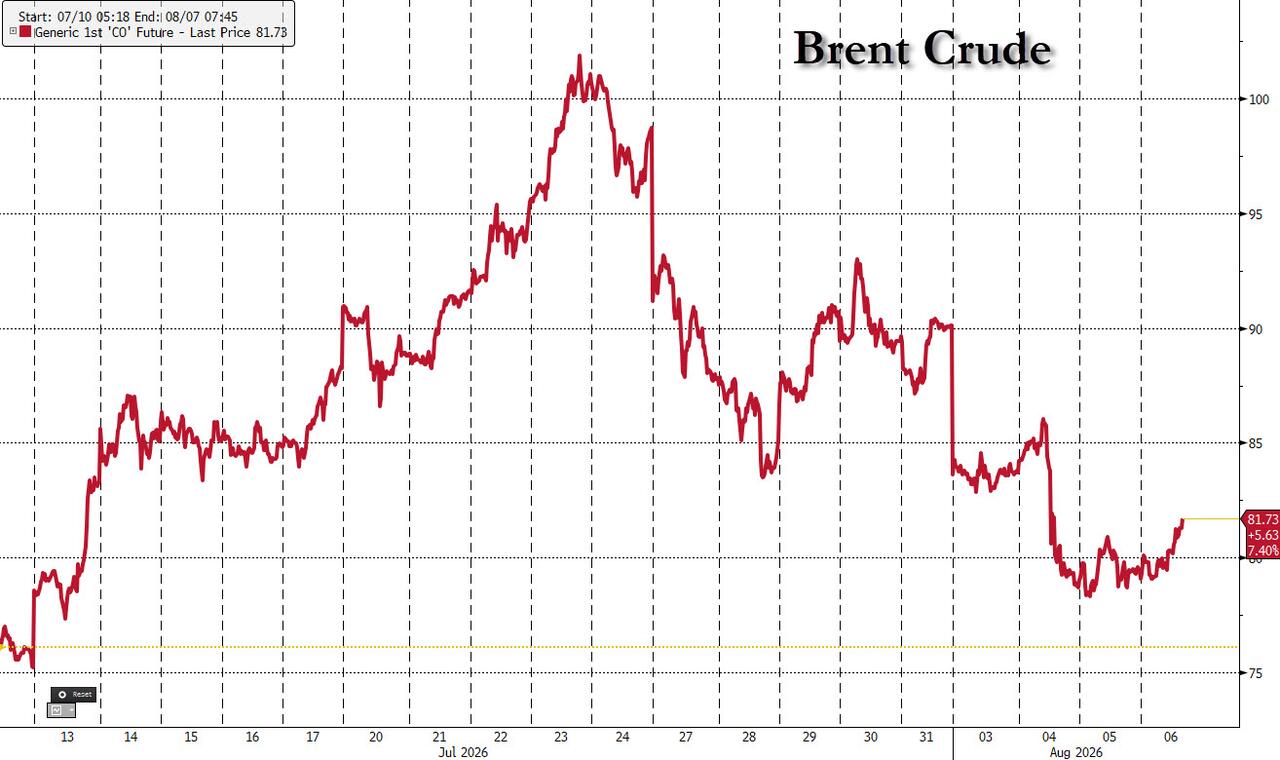
Brent prices held steady just below the $80-level, as Iran said it reached an agreement with Oman on a proposed shipping route through the Strait of Hormuz. That’s not the Iran-US deal that Trump had been eyeing, but this agreement raises the prospect of more energy flows resuming through the critical waterway.
However, Iran has also said that the deal does not work until the US stops blocking traffic. We are yet to hear when the US lifts its blockade on Iranian ships – if Trump does not revert to threats of air strikes instead. The course of events once again underlines Iran’s relatively strong negotiating position.
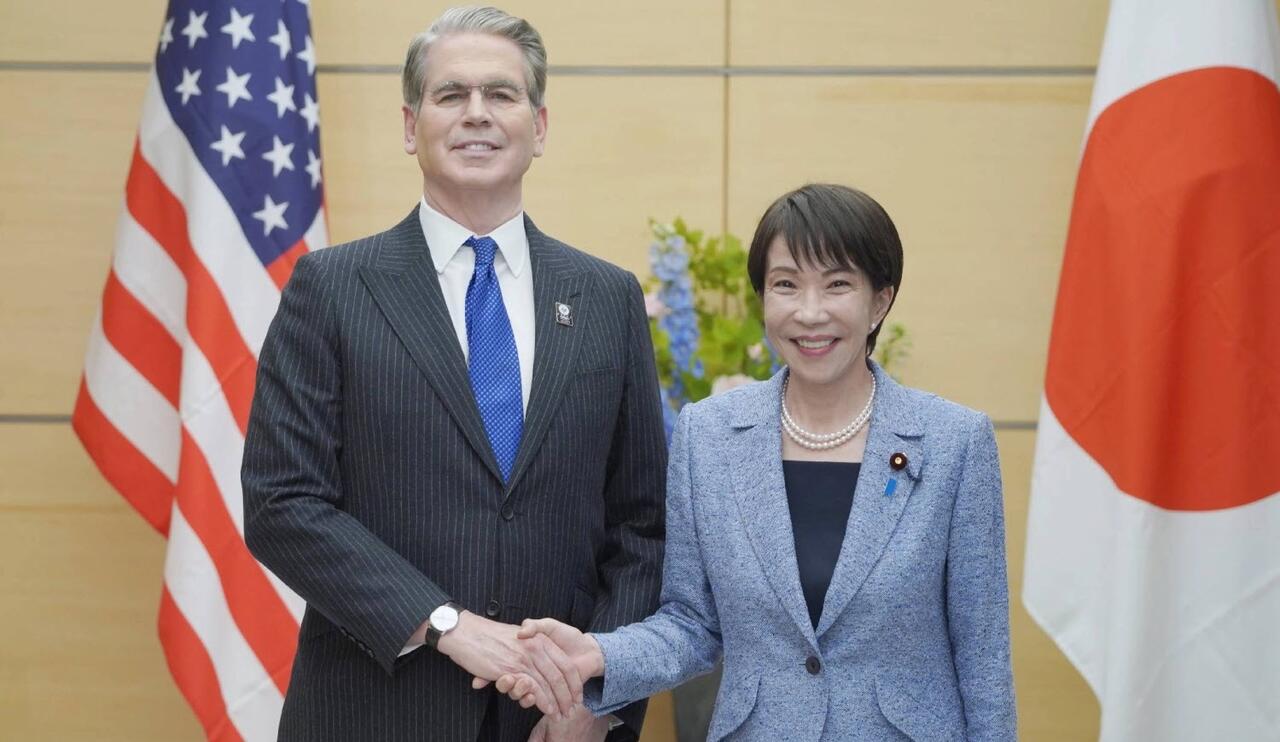
Days after the Japanese Ministry of Finance –and the US Treasury– intervened in FX markets to prop up the yen, the cabinet approved a plan to cut the sales tax on food for two years. On top of that, the government is planning handouts to lower-income households. High costs of living are weighing on PM Takaichi’s popularity. So, she wants to lessen the price pressure on households, but these tax measures may shift those pressures elsewhere.
The tax cut costs JPY 4 trillion (around 0.6% of GDP) in lost revenues annually, and the government did not specify how it would fund this shortfall. The prime minister tried to reassure investors that the measures are temporary, and Finance Minister Katayama pledged to refrain from financing this tax cut through Japan’s deficit.
The unfunded tax plan has drawn criticism from both the opposition and people within the rulin