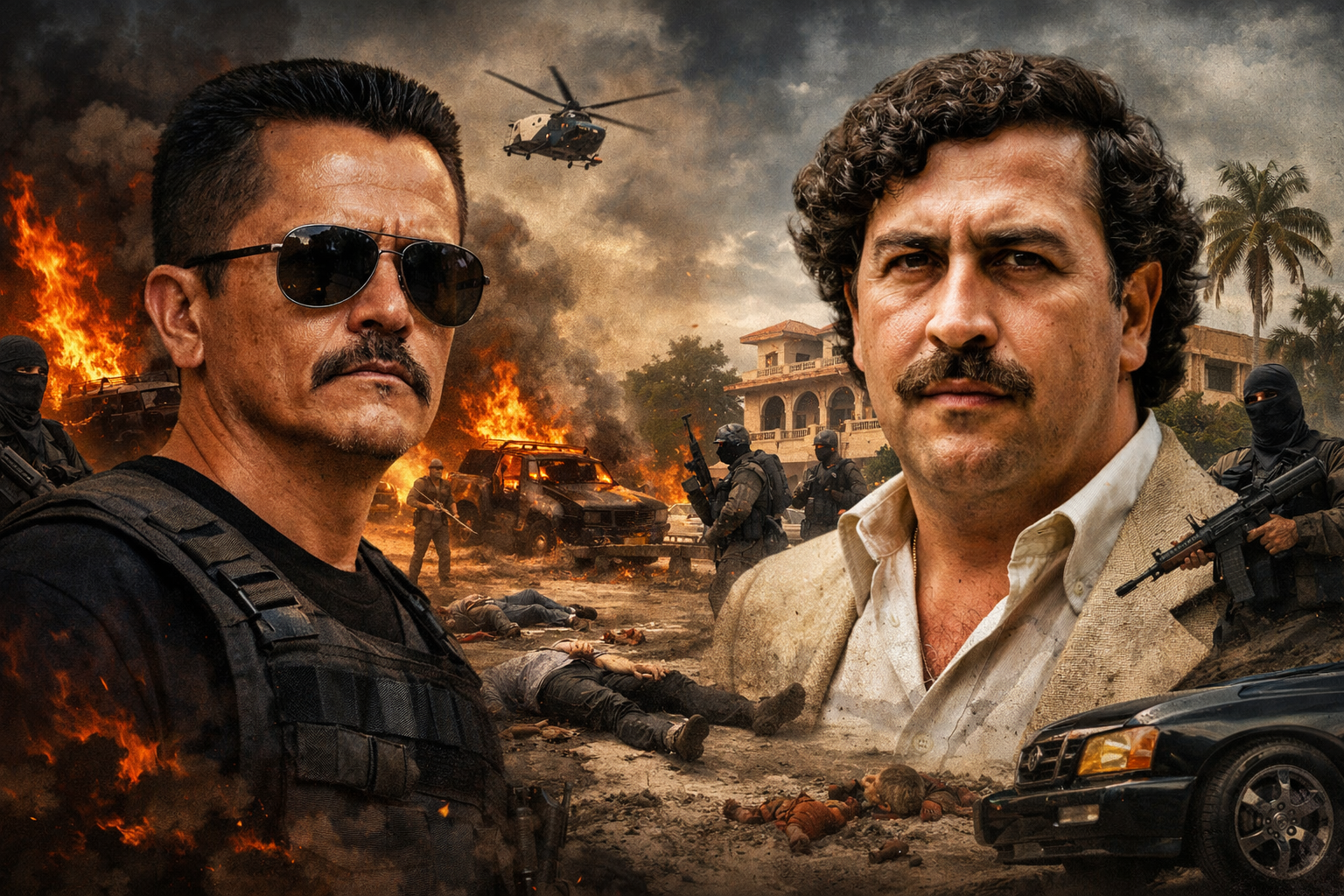
Mexico's struggle with powerful drug cartels remains one of the defining security challenges of the 21st century, a reality that has only been underscored in recent weeks by the death of one of the nation's most feared kingpins and the violence that erupted in its aftermath.
Even as authorities celebrate tactical victories, questions persist about the depth of cartel influence, their economic reach, and the grip these criminal networks hold on society.
Drug cartels in Mexico did not appear overnight. The combination of economic incentives, adaptable criminal tactics, and geographic advantages has enabled these organisations to act with astonishing reach across decades.
Hundreds of smaller organisations have emerged and disappeared throughout the years. However, these six major organisations are typically considered the most influential in the underworld of the country: the Sinaloa Cartel, Jalisco New Generation Cartel (CJNG), Gulf Cartel, Northeast Cartel, La Nueva Familia Michoacana, as well as the United Cartels.
These groups are superpowers controlling methamphetamine, cocaine, heroin, and fentanyl trafficking pathways into the United States and other nations, exploiting Mexico's location between producers and global markets.
The CJNG became one of the strongest criminal systems in Latin America during the rule of Nemesio 'El Menchos' Oseguera Cervantes, and is characterised by its excessive violence, military approach, and a very lucrative stream of revenues.
El Mencho's deathin a military operation in Mexico in February 2026 had a shocking effect across cartel networks but has failed to change the entrenched position of drug cartels.
After El Mencho was killed, many states saw arampage of violence, which depicts how deeply rooted cartel influence is at the local level. Members of the cartel retaliated in systematic strikes, which included burning roadblocks, beating up security agents, and interfering with the normal lives of civilians in areas that had historical roots of organised crime.
This outburst of violence underscored the historical operational power of cartel groups even without their most prominent leader.
According to experts, these responses can be viewed as a piece of a bigger trend: cartels are no longer small trafficking rings but diversified criminal empires, which can now influence the social and economic nature of the local environment.
Source: International Business Times UK