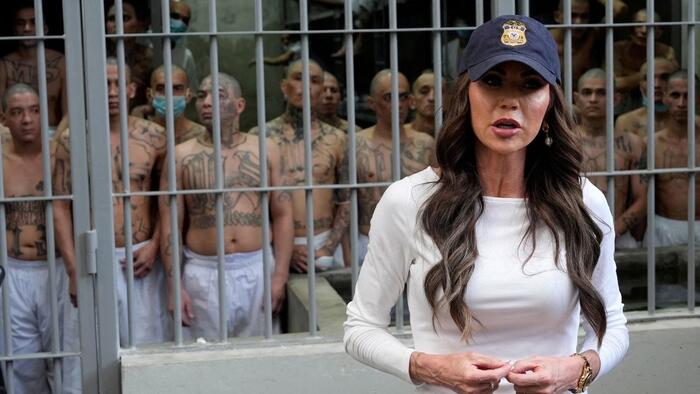
In a bold defiance of judicial authority, the Trump administration has announced it will not comply with a federal immigration court order mandating the immediate release of over 5,000 migrants held in detention facilities along the southern border. The ruling, issued late Friday by U.S. District Judge Elena Ramirez in San Francisco, cited overcrowding and alleged inhumane conditions as grounds for the release, but White House officials dismissed it as an overreach into executive powers on national security and immigration enforcement.
The order stemmed from a class-action lawsuit filed by the ACLU on behalf of migrant families, arguing that prolonged detentions violated due process under the Fifth Amendment. Judge Ramirez, a Biden appointee, demanded compliance within 72 hours, threatening contempt charges against Immigration and Customs Enforcement (ICE) leadership. However, in a fiery statement from the Oval Office, President Trump declared, "We're not releasing dangerous criminals back into American communities just because a activist judge says so. The safety of our citizens comes first."
This standoff marks the latest flashpoint in the administration's aggressive deportation campaign, which has already removed over 1.2 million individuals since Trump's inauguration earlier this year. Key to the dispute are reports that many detainees have ties to transnational criminal organizations, including MS-13 and drug cartels, with ICE data showing 40% of the affected group flagged for serious offenses. Administration lawyers argue the court's blanket release ignores individual threat assessments, potentially flooding border states with unvetted individuals amid a surge in fentanyl overdoses linked to cartel smuggling.
Legal experts are divided on the implications. Constitutional scholar Jonathan Turley praised the administration's stance as a necessary check on "judge shopping" by left-leaning litigants, while Harvard Law Professor Laurence Tribe called it "a dangerous precedent for authoritarian rule." The Justice Department has appealed to the Ninth Circuit, where a panel is expedited to hear arguments next week, but Trump allies in Congress are pushing legislation to limit federal courts' jurisdiction over immigration matters.
Reactions poured in from across the political spectrum. Senate Minority Leader Chuck Schumer decried the refusal as "lawless," vowing oversight hearings, while House Speaker Mike Johnson hailed it as "finally enforcing the rule of law at the border." Immigrant rights groups mobilized protests outside ICE headquarters in Los Angeles, clashing with counter-demonstrators waving American flags. As the deadline looms, the episode underscores deepening tensions between the executive branch and a judiciary perceived by conservatives as hostile to border security.
With midterm elections approaching, this confrontation could galvanize Trump's base, framing the narrative as a battle against open-borders activism. Analysts predict it may accelerate calls for judicial reforms, including court-packing defenses from the right. For now, ICE facilities remain on lockdown, symbolizing the administration's unyielding commitment to its America First agenda, even at the risk of constitutional crisis.
