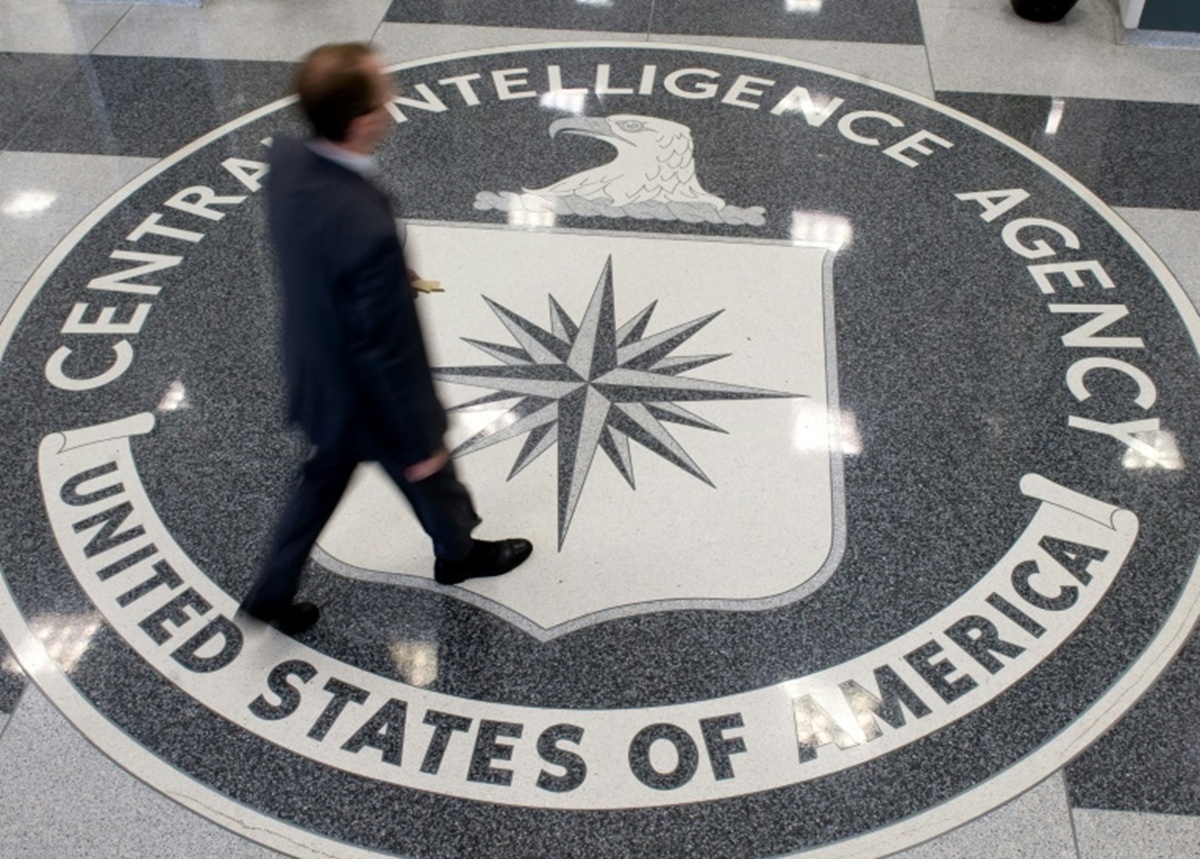
The CIA has republished declassified documents relating to Project Artichoke, a top-secret Cold War programme that explored mind control, behaviour modification, and advanced interrogation techniques. The files detail proposals to administer chemicals covertly through food, drinks, cigarettes and even medical treatments such as vaccines or injections in an effort to influence human behaviour.
The release has ignited debate about the extent to which intelligence agencies pursued psychological manipulation during the early Cold War. Analysts suggest the documents highlight both the ambitious and ethical shortcomings of secretive research conducted in the name of national security.
Project Artichoke, which operated between 1951 and 1956,focusedon the development and testing of substances intended to influence and manipulate human mental states. The CIA documents indicate that researchers sought compounds capable of producing a range of psychological effects. Some were designed to create agitation, anxiety, or nervousness, potentially making individuals more susceptible to suggestion.
Others were intended to induce depression, lethargy, or despondency, effectively dulling resistance and impairing decision-making. The programme also explored the use of sedatives such as amytal and pentothal, commonly described at the time as 'truth serums', with the aim of compelling individuals to divulge information or act against their own interests.
To administer these substances covertly, Project Artichoke researchers considered a variety of delivery methods. Proposals included slipping chemicals into food and water, contaminating beverages such as alcohol or soft drinks, and using cigarettes.
The documents even suggested disguising compounds in medical treatments, including injections and vaccinations, to reach targets without their knowledge. Beyond chemical approaches, the programme investigated psychological and physiological techniques to manipulate behaviour. Methods included hypnosis, sensory deprivation, exposure to gases and aerosols, and controlled oxygen reduction, all designed to weaken resistance and influence compliance.
Theprogrammeis recognised as a precursor to the more expansive MKUltra initiative, which began in 1953. MKUltra extended similar research, incorporatinghallucinogenic drugsand hundreds of subprojects to investigate mind-altering methods.
A seven-page CIA report titled 'Special Research for Artichoke' outlined plans to influence behaviour and conduct psychological manipulation, reflecting fears of communist brainwashing during the early Cold War. Ethical oversight was minimal, and many experiments were proposed for unconsenting subjects. Some former participants, including prisoners, later reported experiencing severe psychological effects such as paranoia and hallucinations.
Project Artichoke was first revealed publicly in the 1970s during congressional hearings conducted by the Church Commission. The disclosures prompted widespread concern overethical violations in intelligence operationsand led to reforms in oversight procedures.
The recent release of these documents has renewed discussion about historical government experimentation on human subjects. Analysts have noted that the programme illustrates the potential risks of secretive operations that combine scientific research with national security objectives.
Source: International Business Times UK
