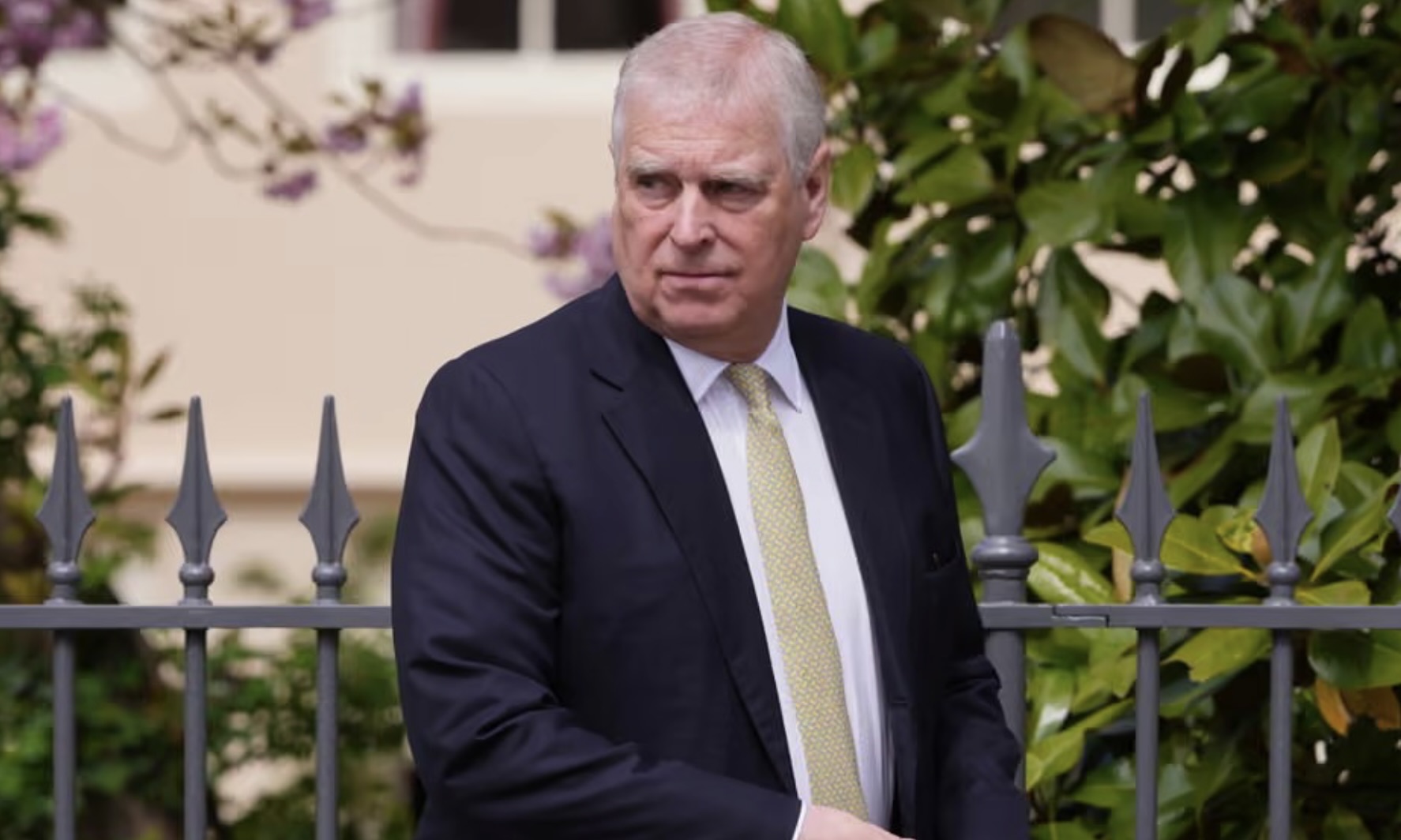
Months of pressureon the Members of Parliament and the general public made the UK government publish the entire files on Andrew Mountbatten-Windsor as a trade envoy. The documents, which are now in the public view, show how much he was engaged in a trade mission, core on the Epstein-era scandal.
The House of Commons on Tuesday voted to allow the team of the Prime Minister to open the files and make them public.
This decision was reached following a heated debate where both sides pressed the need fortransparency by the MPs.The ruling Labour Party and the opposition Conservatives had a low turn up, making the vote a close call but the resolution was unanimously decided.
Trade minister Chris Bryant, who had served as a lower level official in the trade ministry, was harsh. He said that Mountbatten-Windsor had been on a continuous self-aggrandising, self-enriching hustle as the envoy.
The minister went ahead to define the former prince as 'a rude, arrogant and entitled manwho could not distinguish between the public interest which he said he served, and his own private interest.'
Mountbatten Windsor, the 'Queen's favourite,' was UKs Special Representative for International Trade and Investment between 2001 and 2011. The non-paid post enabled him to cover a lot of ground and introduce him to the top business and government people.
Their investigation was initiated by the release of emails by the US government indicating that he hadshared trade reports with Jeffrey Epsteinwhich was a violation of the rule of confidentiality that governs trade envoys.
Opposition MPs took advantage and tried to challenge the convention against subjecting the royal family to the will of the parliament.
According to Brendan O'Haraof the Scottish National Party, who said, 'These arcane rules make a mockery of our democracy. Nobody, regardless of rank or privilege, should or must be above the law.'
The House of Commons Speaker had already authorised discussion on the former prince, arguing that his stripping of titles had removed any protective shield.
Source: International Business Times UK