Goldman Sachs analyst Sam Burgess, who covers European defense companies including Airbus, BAE Systems, Rheinmetall, Renk, Rolls-Royce, Safran, Leonardo, Thales, and Dassault Aviation, held a call with retired German Lieutenant General Andreas Marlow to provide clients with greater color on the rapidly evolving modern battlefield and its implications for defense-sector investment decisions.
Marlow said the war in Ukraine has exposed a slew of weaknesses in conventional armies rather than rendering them obsolete. He said future combat will depend on integrated forces combining armor, infantry, artillery, all categories of drones, air defense, electronic warfare, and long-range strike capabilities.
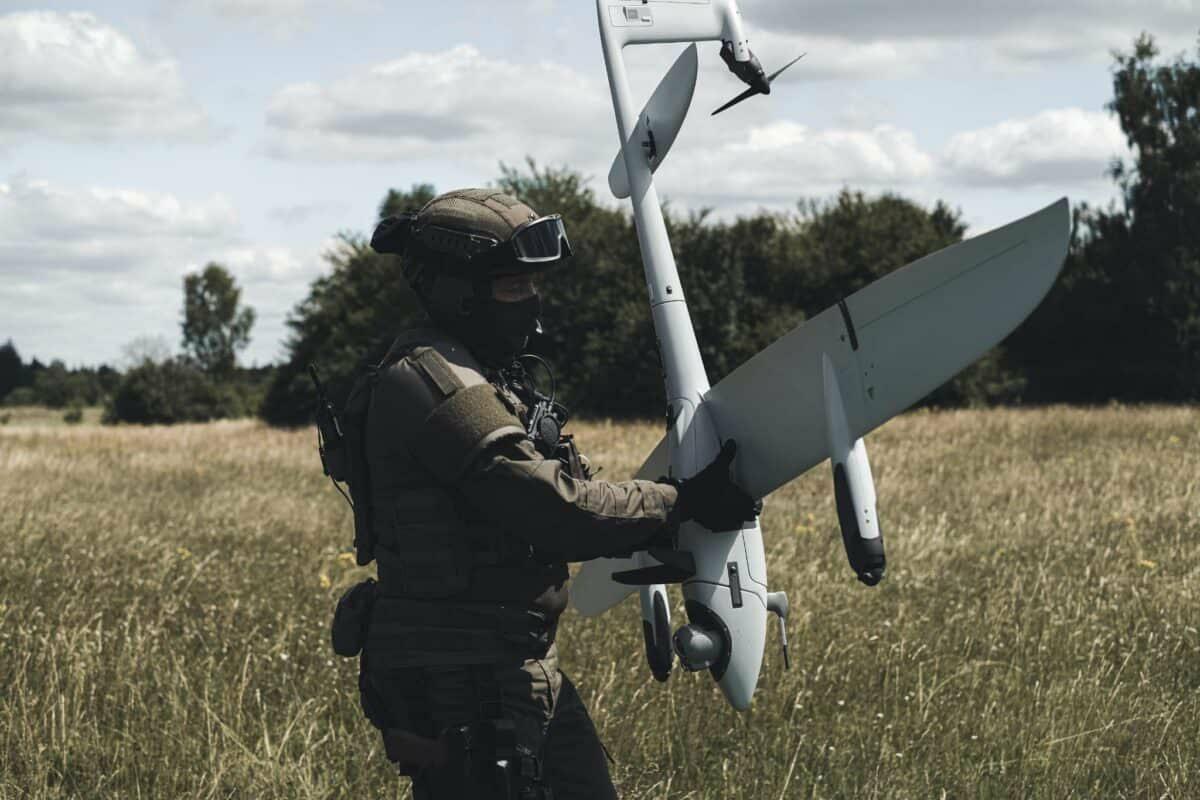
Marlow described how drones and low-cost warfare have created a heavily contested zone stretching 40 to 50 kilometers across the modern battlefield, increasing demand for unmanned systems and counter-drone protection.
We have previously described these kill zones as part of the "world's AI weapons laboratory," where suicide drones and experimental unmanned systems, some equipped with fully automated kill chains, are the leading causes of death on the front lines.
Here is Burgess breaking down the conversation for clients:
Land Forces
Have drones reduced the importance of conventional land forces?
- No. General Marlow was unequivocal that conventional land forces remain essential. He said he did not know anyone in uniform who seriously believed that armed forces should dispense with tanks, artillery, infantry or other armoured capabilities.
- The widespread adoption of drones and other unmanned systems is changing warfare, in his view, but it has not eliminated