Authored by Jonathan Miltimore via The Epoch Times,
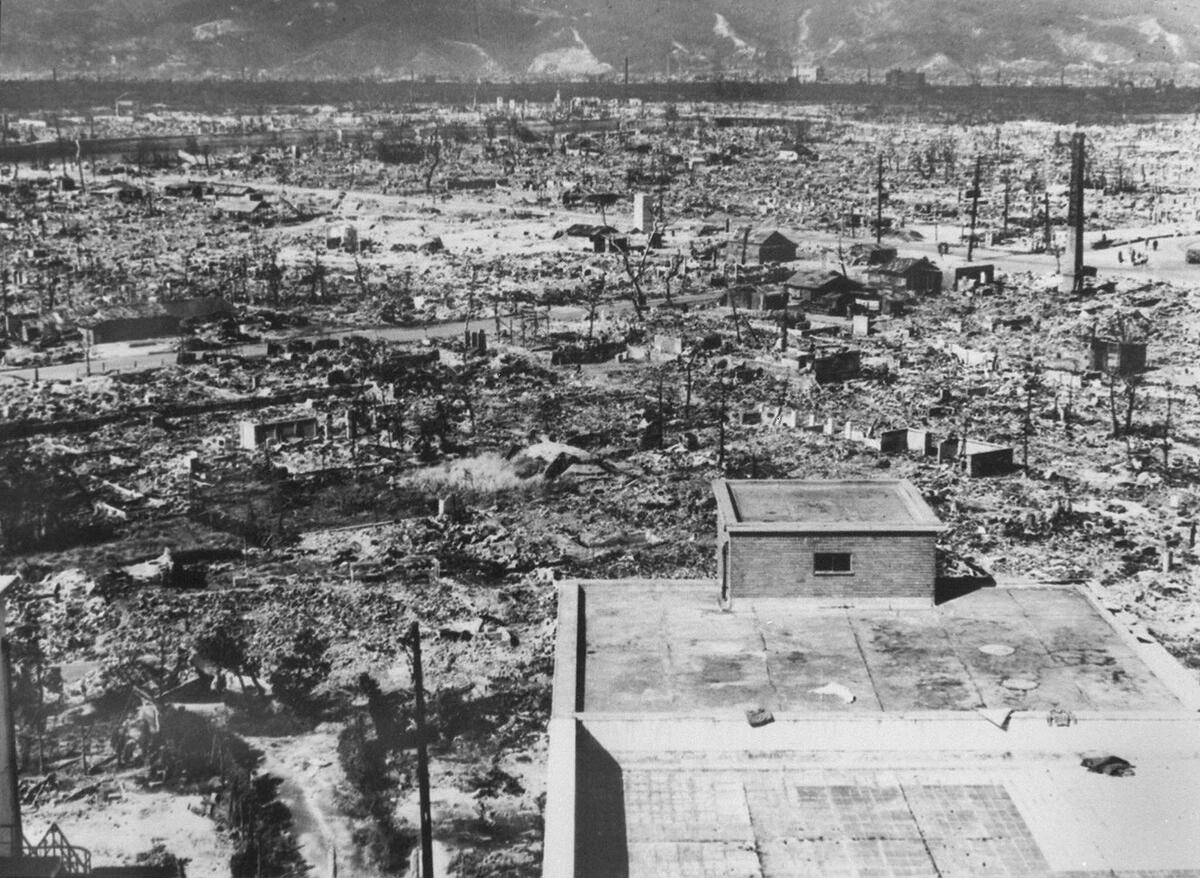
On Aug. 6, 1945, the Enola Gay dropped “Little Boy” on Hiroshima, instantly killing tens of thousands and marking the first use of a nuclear weapon in warfare.
Three days later, a second bomb, “Fat Man,” was dropped on Nagasaki.
Within days, Japan surrendered, bringing World War II to an end.
For most Americans, the bombings were greeted with celebration. Polls at the time revealed that nearly 70 percent of Americans said the bombing was a “good thing,” while just 17 percent said it was a “bad thing.”
In some respects, this is no surprise.
Thanks to the bomb, the war was over.
Japan, the nation that had blindsided the United States at Pearl Harbor nearly four years earlier, had finally been brought to its knees, forced to surrender unconditionally.
Watching these events unfold from England, a professor of Anglo-Saxon literature saw something very different.
‘Utter Folly’
In 1945, J.R.R. Tolkien was a professor of Old English at Oxford and author of “The Hobbit” (1937), a book that would eventually become one of the most influential works of fantasy literature ever written.
Having served as a British Army offi