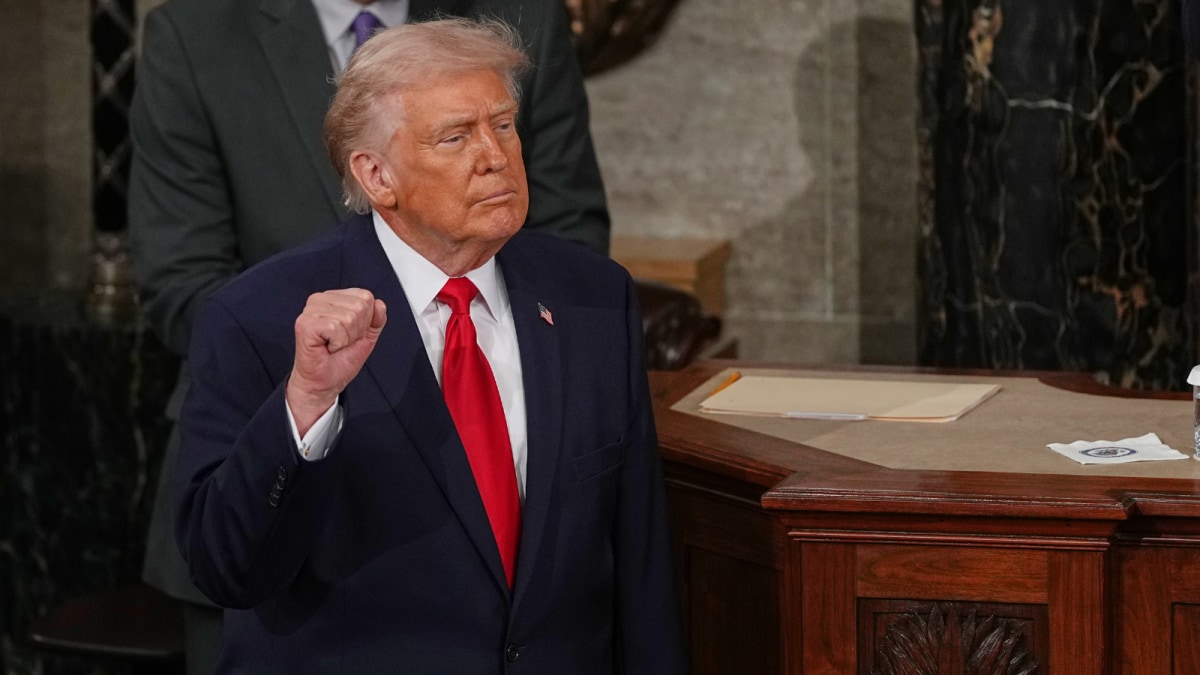
Revised US tariffs have come into effect days after the US Supreme Court struck down much of President Donald Trump’s sweeping global duties, ruling that he had exceeded his authority by using a 1977 law to impose sudden tariffs on individual countries.
The White House announced a 10% flat duty on imported goods, justified as a measure to address America’s balance-of-payments deficits. Trump has since pledged to raise this to 15% — the statutory ceiling under the law he’s now relying on.
The tariff applies to roughly $1.2 trillion worth of imports annually, or about 34% of total goods entering the country. Sector-specific tariffs on steel and automobiles remain untouched by the court ruling.
The new duty is temporary, lasting just 150 days unless Congress acts to extend it, and is widely regarded as a bridge toward more durable trade legislation.
The court invalidated Trump’s use of the International Emergency Economic Powers Act to impose broad, country-specific tariffs — a cornerstone of his first-term trade agenda. US Customs and Border Protection said it would stop collecting those struck-down tariffs from Tuesday, the same day the new 10% levy took effect.
Erica York of the Tax Foundation estimates that Trump’s tariffs amounted to an average tax increase of $1,000 per US household in 2025. Even with the court’s ruling, the remaining and new duties are still projected to cost the average household around $700 in 2026.
Commerce and Industry Minister Piyush Goyal said New Delhi would resume talks with the US once there is greater clarity.
Before the US Supreme Court struck down Trump’s tariffs:
An Indian delegation had been scheduled to travel to Washington to finalise an interim deal but cancelled the trip after the ruling. Despite the legal turbulence, Goyal signalled India remains open to concluding a trade agreement.
The US President has framed the ruling as a victory, claiming it gave him “far more powers and strength", warning trade partners against walking away from deals struck under threat of his previous tariffs. US Trade Representative Jamieson Greer echoed that stance, saying existing agreements remain in force.
Source: World News in news18.com, World Latest News, World News
