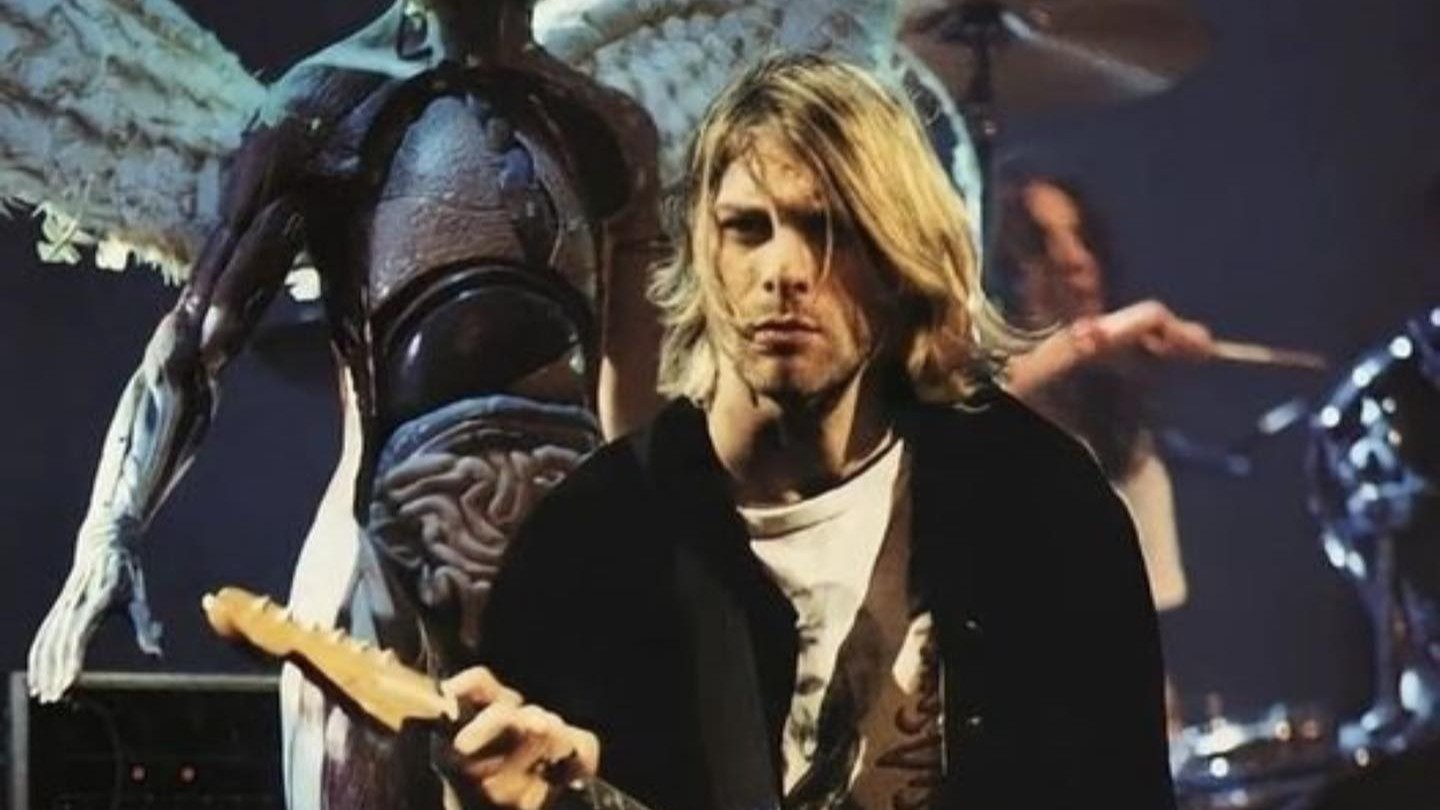
It has been more than 30 years since the music world lost Kurt Cobain, and for all that time, the official story has remained the same: the Nirvana frontman died by suicide in his Seattle greenhouse. But a fresh investigation is challenging that accepted history. A private team of forensic specialists has pulled the case back off the shelf, and they say what they're seeing doesn't line up with suicide at all—it reads like a scene that may have been arranged.
Their argument is blunt: the medical evidence simply doesn't fit the suicide theory. The team's findings, published in a peer-reviewed paper, suggest a forced heroin overdose likely rendered Cobain incapacitated before the shooting, with organ damage indicating the body was starved of oxygen during a gradual overdose rather than killed instantly by a shotgun wound.
Back in April 1994, the King County Medical Examiner closed the case, ruling that Cobain died from a self-inflicted shotgun wound. But a private sector team, led by forensic specialist Brian Burnett, claims the biological evidence tells a darker story. Burnett, whose expertise involves cases of overdose followed by gunshot trauma, conducted an exhaustive review of the original autopsy and crime scene materials.
According to independent researcher Michelle Wilkins, who collaborated with the team, Burnett's assessment was immediate and unequivocal. 'This is a homicide. We've got to do something about this,' Burnett reportedly stated after just three days of reviewing the files. They focus on organ damage such as necrosis of the brain and liver, saying it looks like the body was starved of oxygen during a gradual overdose rather than killed instantly by a shotgun wound.
'There are things in the autopsy that go, well, wait, this person didn't die very quickly of a gunshot blast,' Wilkins told theDaily Mail.
You can also see it uncensored on@rumblevideoherehttps://t.co/SRpgtuager
One of the most disturbing aspects highlighted by the investigation is the eerie cleanliness of the death scene. Shotgun suicides are notoriously brutal and messy, yet the forensic team noted a suspicious lack of blood spatter on Cobain's hands. Wilkins emphasised that if Cobain had held the barrel to his mouth as the official report suggests, his left hand should have been covered in biological material. Instead, it was found remarkably clean, gripping the barrel of the Remington Model 11 20-gauge shotgun.
'If you ever look at photos of shotgun suicides, they are brutal. There is no universe where that hand is not covered in blood,' Wilkins explained. Furthermore, the team questioned the orderly state of the heroin kit found feet away from the body. It contained capped syringes and neatly arranged paraphernalia—implausible for someone dying of a massive overdose, ten times the lethal limit, to meticulously pack away their equipment before shooting themselves.
'Suicides are messy, and this was a very clean scene,' she noted. 'To me, it looks like someone staged a movie and wanted you to be absolutely certain this was a suicide.'
The mechanics of the weapon itself provide another pillar of the homicide theory. The investigators replicated the shooting using the same model of shotgun and found that the shell casing's location at the scene was physically impossible based on the gun's ejection pattern. According to Wilkins, if Cobain's hand were positioned on the forward barrel as documented, the gun wouldn't have ejected the shell. Yet a shell was found neatly atop a pile of clothes.
Source: International Business Times UK
