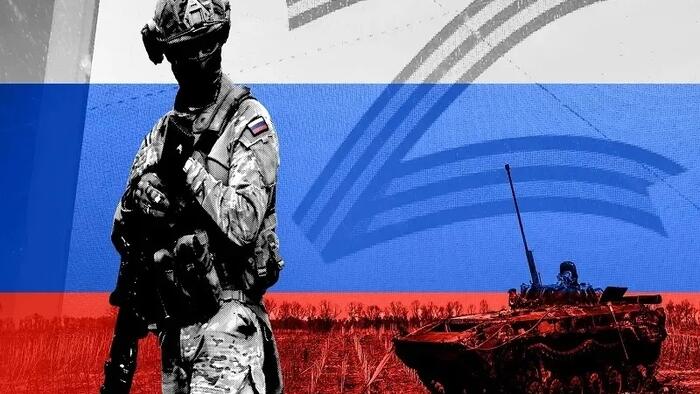
As it’s always done, Russia is expected to ensure its sovereignty, security, and thus its survival through the creative interplay between its political, military, intelligence, diplomatic, expert, and civil society communities.
Russia’sspecialoperationagainst NATO-backed Ukraine just entered its fifth year.
The last three anniversaries were reflected uponhere,here, andhere, and keeping with tradition, the present piece will review what happened over the past year and forecast what might be come in the next one.
Generally speaking, Russia now faces five geostrategic challenges that are expected to shape its approach towards theUS-mediated peace talks with Ukraineand its grand strategy overall, namely:
* NATO Influence Is Poised To Expand Along Russia’s Entire Southern Periphery
Last August’s “Trump Route for International Peace and Prosperity” (TRIPP) alongArmenia’s southern Syunik Province has the dual function of a NATO military-logistics corridor through theSouth CaucasustoCentral Asia. Spearheaded by member stateTurkiyewith alliedAzerbaijanserving as the launchpad across the Caspian, TRIPP threatens torevolutionize Russia’s regional security situationfor the worse if these threats aren’t contained, especially if itemboldensKazakhstanto follow in Ukraine’s footsteps.
* The US Supports The Revival Of Poland’s Long-Lost Great Power Status
“September 2025 Was The Most Eventful Month For Poland Since The End Of Communism” for the 18 reasons enumerated in the preceding hyperlinked analysis, which set Poland up toplay a central rolein the US’National Security Strategyfor containing Russia after the Ukrainian Conflict ends. It already hasthe EU’s largest army, is located in the middle of pivotal military-logistics corridors, and is very eager to revive its long-lost Great Power status and attendant historical rivalry with Russia at Moscow’s expense.
* The EU Is Unprecedentedly Militarizing And Upgrading Its Military-Logistics
De facto EU leader “Germany Is Competing With Poland To Lead Russia’s Containment” in no small part through thenearly $100 billionin defense procurement projects that it approved last year alone. The EU as a whole is also militarizing too with the help of the€800 billion “ReArm Europe Plan”. To make matters even more concerning for Russia, the “military Schengen” for optimizing the dispatch of troops and equipment towards its borders continues apace, with the Baltic Statesnewly committingto join this too.
Source: ZeroHedge News
