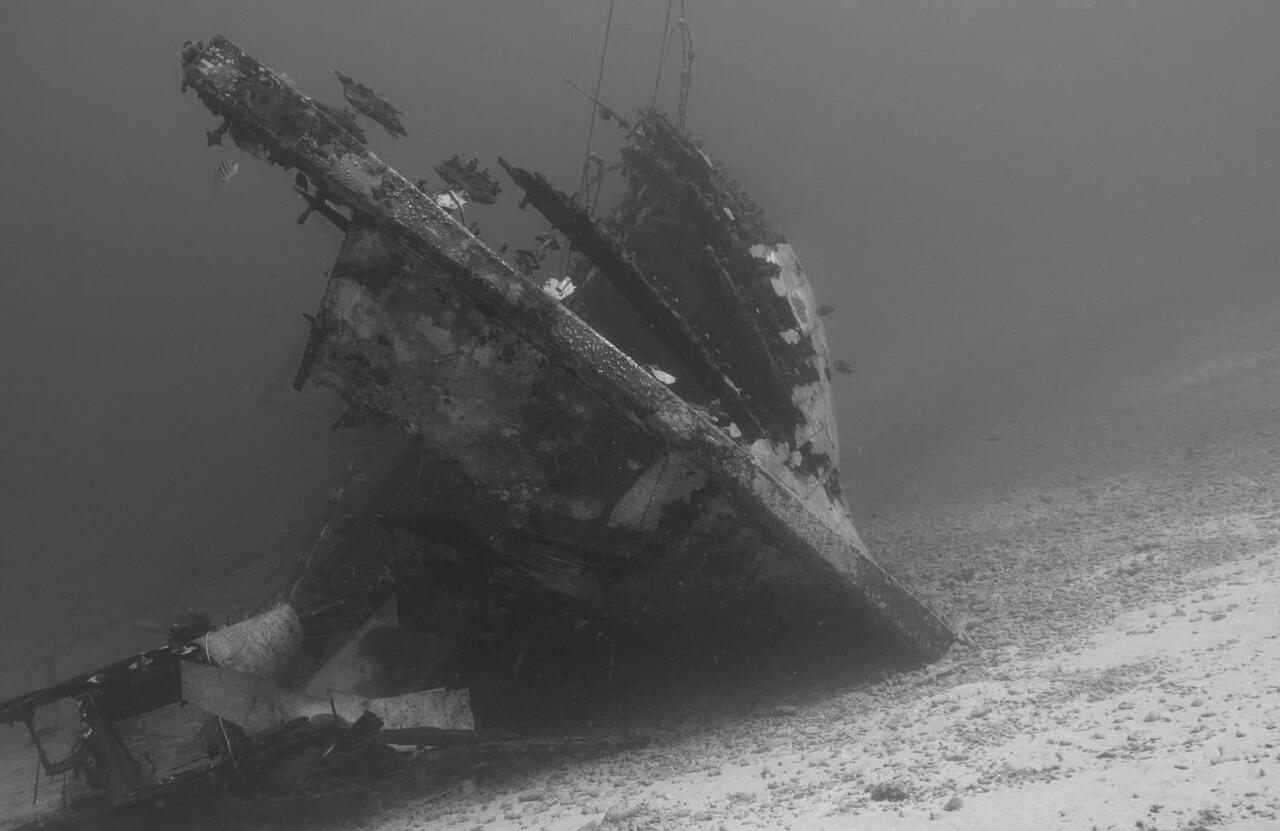
The world's most sensitive radiation detectors sometimes rely on low background steel produced before the first atomic bomb test in July 1945, according to a new report from SpaceDaily.
Steel manufactured before the nuclear age lacks the tiny traces of radioactive fallout that atmospheric weapons testing later introduced into the environment, making it valuable for experiments searching for extraordinarily rare particles and faint radiation signals.
The report says that this gave rise to the popular story that scientists depend on steel salvaged from pre war shipwrecks resting on the ocean floor. While there is some truth to that, the claim has been greatly exaggerated. Some laboratories have indeed used steel from old warships for shielding, but it is not true that nearly every sensitive detector depends on sunken ships or that science faces a crisis as this supply disappears.
The reason low background steel matters is that, in cutting edge physics experiments, even the detector's own walls can generate enough background radiation to interfere with measurements. Facilities searching for dark matter, rare nuclear decays, or other elusive phenomena go to extraordinary lengths to eliminate every possible source of interference, often operating deep underground and surrounding detectors with multiple layers of carefully selected shielding materials.
Today, researchers no longer rely exclusively on pre 1945 steel. Advances in metallurgy allow laboratories to